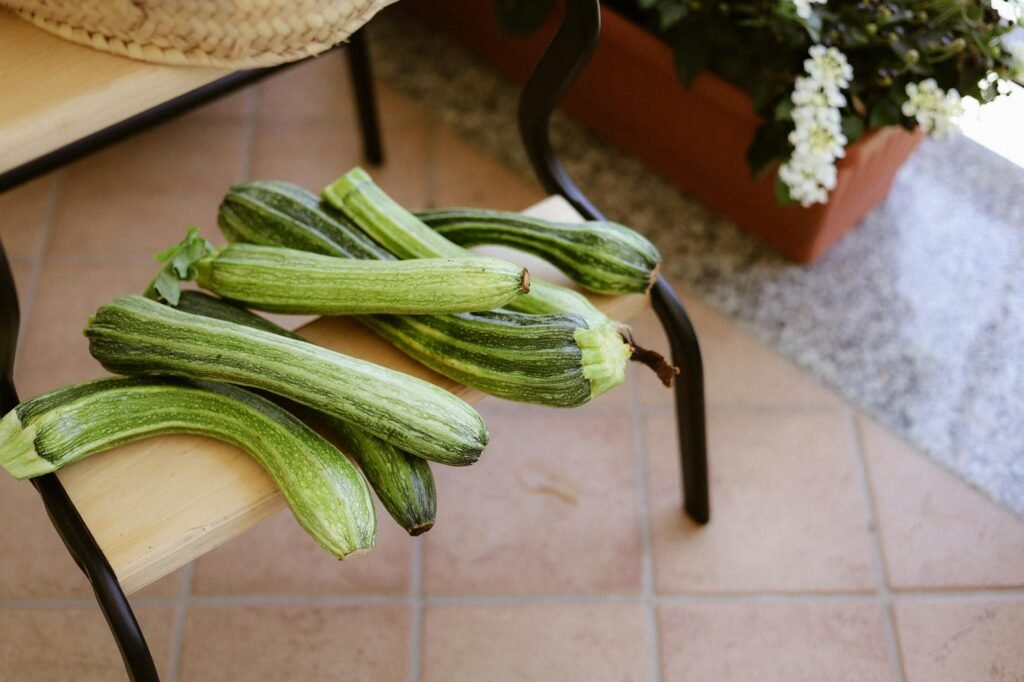
How to Grow Zucchini Without the Common Mistakes
Have you ever experienced the thrill of biting into a fresh, homegrown zucchini? There’s something undeniably satisfying about growing your own vegetables. Yet, for many aspiring gardeners, zucchini seems to be one of the trickier crops to cultivate. Why is that? Often, it’s due to a few common mistakes that can easily be avoided with the right knowledge.
Picture this: you’ve planted your zucchini seeds, eagerly anticipating the fruits of your labor. As the weeks go by, your excitement turns to frustration when you realize your plants are stunted or worse, not producing at all. What went wrong? This article will guide you through the essential strategies to successfully grow zucchini, sidestepping those all-too-common pitfalls. Let’s dig in!
Understanding Zucchini’s Needs
The first step to cultivating robust zucchini plants is understanding their specific needs. Zucchini thrives in warm weather, requiring full sun exposure for at least six hours per day. If you’re planting in spring, ensure that the soil temperature has warmed to at least 70°F before sowing seeds. What most people miss is the importance of well-draining soil. Zucchini roots can rot in overly saturated conditions, so it’s crucial to amend your garden soil with organic matter to enhance drainage.
Last summer, I had a friend who was convinced that just planting the seeds would yield a bountiful harvest. Unfortunately, he planted too early, and the cold soil stunted the growth. By the time he realized his mistake, the season had slipped away. It’s a classic example of why timing and soil conditions are vital in growing zucchini successfully!
Choosing the Right Variety
Believe it or not, choosing the right zucchini variety can significantly affect your success. From classic green zucchinis to the striking yellow or even striped varieties, each type comes with unique growth characteristics. Some are more resistant to common pests like squash bugs, while others may yield a more prolific harvest. Have you ever tried a hybrid zucchini? They often combine the best traits of different varieties, giving you the resilience and flavor you crave.
This past season, I decided to experiment with both a traditional green zucchini and a hybrid variety. The hybrid not only sprouted faster but also produced more zucchinis, even under less-than-ideal conditions. If you’re passionate about gardening, take the time to research various zucchini types and pick those that suit your climate and gardening style!
Watering Practices: Too Much or Too Little?
Watering zucchini can be a double-edged sword. On one hand, these plants need ample moisture to thrive; on the other, overwatering can lead to root rot. So, how do you find the balance? The key lies in consistently monitoring soil moisture. A simple rule of thumb is to water deeply once a week, ensuring that the water reaches the roots. If your garden is sandy, you might need to water more frequently.
Let me share a story. A neighbor of mine was convinced that daily watering was the way to go. Initially, her zucchini plants looked healthy, but by mid-summer, yellowing leaves and wilting stalks became a common sight. The daily watering was suffocating the roots! By switching to deep, weekly watering, her plants bounced back, showcasing the resilience of zucchini when treated correctly.
Pest Management Without Harm
We can’t discuss growing zucchini without addressing the inevitable pests that will come knocking. Aphids, squash bugs, and cucumber beetles are notorious for munching on zucchini leaves and stems. Instead of resorting to harsh chemicals, consider natural pest management strategies. Introducing beneficial insects like ladybugs can help keep harmful pests in check. Additionally, planting companion crops such as marigolds can act as a natural deterrent.
Last year, I noticed my zucchini plants were being attacked by aphids. Instead of panicking, I planted a few marigolds nearby, and to my surprise, the problem diminished significantly. This natural approach not only ensured a healthy zucchini crop but also created a vibrant garden ecosystem. Have you considered natural pest control methods?
Harvesting at the Right Time
Finally, the satisfaction of growing zucchini culminates in the harvest. But don’t let excitement lead to premature picking! Zucchini should be harvested when they are about 6 to 8 inches long for optimal flavor and texture. If left too long, they can become tough and seedy, ultimately diminishing your hard work. The truth is, frequent harvesting encourages the plant to produce even more fruit.
I recall the first time I grew zucchini. Eager to enjoy them, I picked them too early. While they looked perfect, the flavor was bland. It wasn’t until I waited a few more days for the next batch that I truly appreciated the difference in taste. So, pay attention to size and color—your palate will thank you!