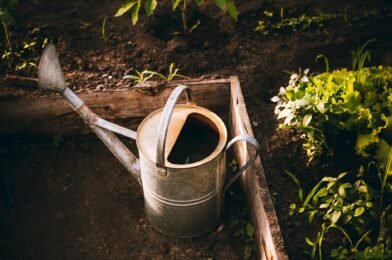
Common Signs Your Plants Are Overwatered or Thirsty

Common Signs Your Plants Are Overwatered or Thirsty

Ever walked into a room and noticed your favorite plant looking a little worse for wear? You’re not alone. Many plant parents find themselves in a constant battle to figure out if their green friends are begging for water or drowning in it. The truth is, recognizing these signs can make the difference between a thriving indoor jungle and a sad, wilted display. So, how can you tell if your plants are overwatered or in need of hydration? Let’s dig into the common signs that will help you become a more attentive plant caretaker.

Plants, much like us, have their own unique ways of expressing their needs. While a droopy stem might scream dehydration, yellowing leaves could indicate a little too much love in the watering department. The key is to stay observant and learn the language of your plants. With a little patience and care, you’ll soon be able to read their signals like a pro!

Recognizing Overwatering Symptoms

One of the most common pitfalls for plant enthusiasts is overwatering, which can lead to root rot—a condition that no one wants to deal with. The symptoms of overwatering can be quite deceptive at first glance. For instance, you might notice your plant’s leaves turning yellow, even though you’ve been diligent about watering. Here’s the thing: yellowing leaves can signify a plant in distress, but if the soil is soggy and waterlogged, you’ve likely given it too much water. An effective way to check is to feel the soil about an inch deep; if it’s wet, you might want to hold off on watering.

Another telltale sign of overwatering is wilting. Ironically, it’s possible for a plant to wilt when it’s overwatered, just as much as when it’s thirsty. The roots can’t absorb the nutrients they need due to the excess moisture, leading to a sad, droopy appearance. A friend of mine once killed a beautiful pothos plant this way; it looked sad one day, and he assumed it needed more water. In reality, less was more. By adjusting his watering schedule, he brought it back to life!

Signs Your Plant Needs Water

On the flip side, it’s crucial to catch the signs that your plant is thirsty. Have you ever seen a plant’s leaves curling? This often indicates that it’s not getting enough water. The leaves may start to curl inward, a protective measure to reduce moisture loss. If you notice this, take a moment to check the soil moisture and give your plant a good drink if the top layer is dry. A simple finger test can save you from unnecessary guesswork.

Another indication of thirst is the appearance of crispy edges on leaves. This is particularly common in houseplants like snake plants and succulents. The dehydration stresses the plant, causing the edges to dry out and eventually die. I remember a time when I almost lost a beautiful succulent because I underestimated its water needs. After giving it an extra dose of hydration, it perked up remarkably, a stark reminder of how crucial proper watering is.

Soil and Drainage: Their Role in Plant Health

Let’s talk about soil and drainage, two critical components that can make or break your plant’s watering needs. Poorly draining soil can lead to excess moisture retention, causing overwatering even if you’re watering correctly. It’s essential to choose the right soil for your specific plants. For instance, cacti and succulents thrive in well-draining soil, whereas tropical plants may prefer a mix that retains more moisture. At the end of the day, if your pot doesn’t have drainage holes, you might as well be drowning your plants.

A case in point: I once had a beautiful fern that loved to soak up moisture but was planted in a pot without drainage holes. Despite my best efforts, it started to decline. After re-potting it into a container with proper drainage, the fern rejuvenated and flourished! It’s crucial to remember that soil choice and drainage can significantly affect how much water your plants need.

Correcting Overwatering and Underwatering

If you find yourself in the unfortunate position of dealing with overwatering or underwatering, don’t panic! There are ways to correct these issues. For overwatered plants, simply stop watering until the soil dries out. In some cases, you may even need to repot the plant into fresh, dry soil to help aerate the roots. And if you’re nursing an underwatered plant back to health, a deep watering session can do wonders. Just remember to let the excess water drain out—this will prevent any further root problems.

One of the best methods I’ve found is employing the “Soak and Dry” method: thoroughly water your plants, allowing the water to soak in completely, and then wait until the top few inches of soil is dry before watering again. This method encourages strong root systems while keeping your plants healthy.

The Importance of Consistency

Consistency in watering practices is essential for plant health. Many people think that plants need to be watered on a strict schedule, but the reality is a bit more nuanced. Factors like light, temperature, and humidity can all influence how much water a plant needs. For instance, during a hot summer day, your plant might require more frequent watering, while in cooler months, it could thrive on a more sparse regimen.

Consider keeping a plant journal where you note observations about your plants regularly. Track when you water them, how they respond, and any signs of stress. It’s an excellent way to develop a tailored watering schedule based on your plants’ unique needs. You’ll be amazed to see how much more responsive your plants become once you start understanding their individual patterns!

In a world where plant care information is abundant, knowing the signs of overwatering and underwatering will empower you as a plant parent. By tuning into the needs of your green friends, you can foster a thriving indoor garden that brings life to your home.

So, what signs do you notice in your plants? Have you experienced the struggle of balancing watering? Share your thoughts and experiences in the comments below, and let’s learn together how to be the best plant caretakers we can be!
Mulching Made Simple: Why Your Plants Need It

Mulching Made Simple: Why Your Plants Need It

Have you ever walked through a garden and marveled at the vibrant colors and healthy plants, wondering what the secret to their success is? You might be surprised to learn that one of the simplest, yet most effective techniques is often overlooked: mulching. This often underappreciated gardening practice can transform your plants’ health and the efficiency of your garden. If you’re looking to elevate your gardening game, here’s why mulching deserves a prime spot on your to-do list.

Imagine a sprawling garden filled with lush greenery, where each plant thrives in its environment. It’s not just luck—it’s mulching at work. By placing a layer of organic or inorganic material on the soil’s surface, you can create a protective barrier for your plants. But what exactly does this mean for your gardening efforts? The truth is, mulching isn’t just about aesthetics; it plays a vital role in plant health, moisture retention, and weed control, making it a must for any gardener.

The Benefits of Mulching

The first question that might pop into your mind is, “What benefits does mulching actually provide?” Let’s break it down. One of the standout advantages of mulching is its ability to retain soil moisture. When you apply a layer of mulch, it acts as a barrier against evaporation. Think of it as a cozy blanket for your soil! This is particularly beneficial during hot summer months when plants are most vulnerable. In fact, many gardeners report needing to water their plants less frequently after adopting a mulching strategy.

Moreover, mulching contributes to temperature regulation in the soil. It keeps the ground cooler in the summer and warmer in the winter, providing a stable environment for roots. An anecdote that highlights this benefit comes from a gardener named Sarah, who experienced a significant increase in the health of her tomatoes after she began mulching. She found that her plants not only thrived better in the summer heat but also produced fruit earlier in the season than those without mulch. Isn’t it amazing what a simple layer of material can achieve?

Weed Control

Have you ever felt overwhelmed by the persistent presence of weeds in your garden? You’re not alone! Weeds can choke the life out of your beloved plants, competing for essential nutrients and water. Here’s the thing: mulching serves as an effective natural weed barrier. By blocking sunlight from reaching the soil, mulch inhibits weed germination, making it more difficult for unwanted plants to take root. Think of that as giving your garden a fighting chance against their relentless invaders.

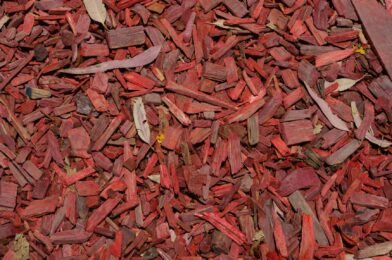
For example, a friend of mine, Mike, was struggling with a particularly nasty weed problem in his flower beds. After applying a thick layer of shredded bark mulch, he noticed that the weeds drastically reduced. In a matter of weeks, his flowers flourished without the stress of competition. Now, he swears by mulching as a crucial part of his garden maintenance routine. Could this simple method be the answer to your weed woes?

Organic Versus Inorganic Mulch

Now that we’ve established why mulching is beneficial, you might wonder about the types of mulch available. Generally, mulches are divided into two categories: organic and inorganic. Organic mulches, such as straw, wood chips, or shredded leaves, offer the added bonus of enriching the soil as they decompose. They improve soil structure, promote beneficial microorganism activity, and enhance nutrient availability for your plants.

On the other hand, inorganic mulches, like gravel or landscape fabric, provide a long-lasting solution without the need for replenishment. They are excellent for low-maintenance gardens and can even create a clean, visually appealing look. However, while they control weeds and retain moisture, they don’t contribute nutrients to the soil. The choice between organic and inorganic ultimately depends on your gardening goals and preferences. What kind of results do you want to achieve in your garden?

How to Apply Mulch Effectively

One common mistake among novice gardeners is applying mulch too thickly. Ideally, a layer of 2-4 inches is sufficient. Too much mulch can suffocate plant roots and hinder water absorption. Start by clearing the area around your plants, removing any weeds or debris. Next, gently mound your chosen mulch around the base of the plants, making sure to leave some space around the stems to avoid rot. It’s an art as much as it is a science, but practice makes perfect!

When choosing the right time to mulch, the optimal period is in late spring or early summer when the soil has warmed up. This timing allows your plants to benefit from the moisture retention and cooler soil temperatures during the hottest months. However, you can also apply a layer of mulch in the fall to insulate perennials against harsh winter temperatures. This dual-purpose technique can lead to a more robust garden come spring. Are you ready to get your hands dirty?

Common Mulching Mistakes to Avoid

Another pitfall is mulching too close to the base of the plants, which can create moisture and lead to rot. Keeping a small distance from the stems allows for adequate air circulation. Remember, a well-mulched garden is a happy garden! The more informed you are, the better your garden will thrive.

Conclusion: Mulch Your Way to Success!

Drip Irrigation for Beginners: Save Time and Water

Mastering Drip Irrigation for Beginners: Save Time and Water Effectively

Have you ever watched your plants struggle under the scorching sun, while you lug around a watering can, wishing there was a simpler way? Or perhaps you’ve seen a neighbor’s garden thriving beautifully, effortlessly nourished by a seemingly magical system of hoses. The truth is, drip irrigation is that magic, offering a straightforward solution to an age-old problem: how to efficiently water your plants without wasting resources.

Imagine a system that not only conserves water but also delivers it right to the roots where it’s needed the most. Drip irrigation systems are a game-changer for gardeners of every level. Whether you’re tending to a sprawling vegetable garden or nurturing a few potted plants on your balcony, this technique can save you time and money while promoting healthy growth. Are you ready to dive into the world of drip irrigation?

Understanding the Basics of Drip Irrigation

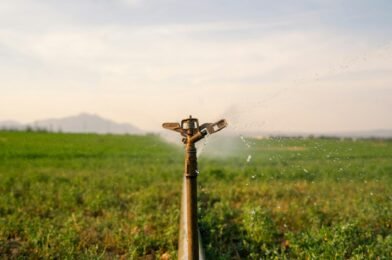
At its core, drip irrigation is a method that involves delivering water directly to the base of your plants in a slow, controlled manner. Unlike traditional watering methods, which often lead to excessive runoff and evaporation, drip irrigation minimizes water loss. The system consists of tubing, emitters, and connectors, allowing you to tailor your setup to fit the unique needs of your garden.

Take my friend Sarah, for instance. She started gardening to grow fresh tomatoes but quickly became frustrated with the time-consuming process of watering her plants daily. After switching to a drip irrigation system, she was amazed at how easy it was to maintain her garden. By setting a timer, she could focus on enjoying her evenings rather than stressing over watering schedules. This simple shift not only saved her time but also led to a more abundant harvest.

The Benefits of Drip Irrigation

Why should you consider drip irrigation for your garden? For starters, it’s incredibly efficient. Studies show that drip systems can reduce water usage by up to 50% compared to traditional watering methods. This is especially crucial in regions facing drought or water restrictions. Plus, because water is delivered directly to the root zone, plants are less susceptible to diseases caused by excess moisture in the foliage.

But that’s not all. Many gardeners find that their plants flourish when using this method. The even distribution of water encourages healthier root development, leading to stronger, more resilient plants. Think of it this way: when plants have access to the right amount of moisture, they can focus on growing rather than simply surviving. Have you ever wondered why some gardens seem to thrive effortlessly? Drip irrigation might just be their secret.

Components of a Drip Irrigation System

Setting up a drip irrigation system can feel daunting, but it’s simpler than you might think. The essential components include tubing, emitters, connectors, and a water source. Most systems start with mainline tubing that carries water from your faucet or hose to the garden beds. Emitting devices attached to the tubing then release water slowly at a specific rate, ensuring your plants receive just the right amount.

Imagine walking through a garden where each plant receives a measured dose of water, directly targeting their roots. When I set up my first system, I was surprised at how easy it was to assemble. I simply measured my garden beds, cut the tubing to size, and added emitters spaced according to my plants’ watering needs. Before I knew it, watering became a breeze, and I could finally relax and enjoy my garden.

Installation Tips for Success

When it comes to installing your drip irrigation system, planning is essential. Start by sketching out your garden layout. Think about the type of plants you have and their watering requirements. Some plants, like succulents, need less water, while others, such as tomatoes, thrive with more moisture. Once you have a plan, gather your materials and consider visiting a local gardening store for advice specific to your region.

A common mistake beginners make is placing emitters too far from the plants. To avoid this, follow the rule of thumb: emitters should be placed directly at the plant’s root zone. If you’re working with several plant types, you might even want to create zones within your system to tailor the water output. This way, you won’t waste water or risk overwatering any plants. Have you mapped out your garden yet?

Maintaining Your Drip Irrigation System

Once your system is up and running, maintenance is key to ensuring its longevity and efficiency. Regularly check for clogs in the emitters, especially if you notice your plants starting to droop or look thirsty. Flushing the system at the start of the season can help prevent buildup, and cleaning the emitters with vinegar or a small brush can extend their life.

Additionally, consider seasonal adjustments. As temperatures rise or fall, your plants’ water needs will change. Monitor their health and be prepared to modify your watering schedule accordingly. My neighbor learned this the hard way when he forgot to adjust his system for the summer heat; his tomatoes ended up suffering. Reflect on your garden’s changing needs, and you’ll ensure a flourishing environment.

Final Thoughts on Embracing Drip Irrigation

Drip irrigation is not just a trend; it’s a practical solution for anyone looking to optimize their watering practices. Not only does it save time, but it also conserves water and enhances plant health. Whether you’re a seasoned gardener or just starting out, incorporating a drip irrigation system can make a world of difference.

Are you ready to take your gardening to the next level? With the right tools and a little planning, you can create an efficient and thriving landscape. Join the ranks of smart gardeners who have discovered the benefits of drip irrigation. Share your experiences or ask questions below—let’s get the conversation started!

How to Water Your Garden Properly Without Wasting Water

How to Water Your Garden Properly Without Wasting Water

Imagine standing in your vibrant garden, surrounded by flourishing plants and the sweet scent of blooming flowers. But then, a thought crosses your mind: Am I watering my plants efficiently? With the rising concern about water conservation, it’s crucial to master the art of watering without waste. The truth is, many gardeners struggle with this, often drowning their plants while watching precious water seep into the ground unutilized. So how can you cultivate a lush garden and be eco-friendly at the same time?

Gardening is not just about planting seeds; it’s also about understanding the needs of each plant. Watering may seem straightforward, but there’s a delicate balance that can make all the difference. Overwatering can lead to root rot, while underwatering can stunt growth. Here’s the thing: watering your garden properly requires a little knowledge and some strategic planning. In this guide, we’ll explore effective methods to ensure your plants thrive, all while conserving water in the process.

Understanding Your Plants’ Needs

Every plant has its own thirst levels. For instance, succulents and cacti require much less water compared to leafy greens or flowering plants. Understanding these needs is crucial to watering correctly. When I first started my garden, I made the rookie mistake of treating all plants the same. My poor hydrangeas nearly wilted while my succulents thrived on my overzealous watering habits. The lesson? Each plant tells a story. Take time to research your garden’s species. What do they thrive on? How deep do their roots go? Tailoring your watering schedule to fit these specific needs can drastically reduce waste.

Another aspect to consider is the season. During the hot summer months, plants often need more water, but in the cooler seasons, their needs decrease. Keep an eye on the weather and adjust your routine accordingly. This is where a rain gauge can become your best friend. By measuring the rainfall, you’ll better understand how much additional water your plants require, thus preventing unnecessary watering. It’s all about observing and adapting.

Smart Watering Techniques

Have you ever heard of drip irrigation? This method has gained popularity among gardeners aiming for efficiency. Unlike traditional hoses or sprinklers that can waste water through evaporation and runoff, drip irrigation delivers water directly to the roots. This targeted approach not only conserves water but also reduces the risk of weed growth since less water is distributed to surrounding areas. When I installed a drip system in my garden, I was amazed at how my plants responded—healthier and more vibrant than ever before!

Consider watering your garden early in the morning or late in the evening. Why? During these times, the sun is less intense, leading to less water evaporation. I’ve experienced firsthand the difference this simple adjustment can make. Instead of watering during the sweltering midday heat, I now enjoy my coffee while tending to my garden in the cool morning air, knowing I’m doing my part to conserve water.

Mulching for Moisture Retention

Here’s a tip that not everyone thinks about: applying mulch can significantly help reduce water evaporation. By covering the soil with organic materials like straw, grass clippings, or wood chips, you create a barrier that locks in moisture. This method not only keeps the soil cool but also reduces the frequency of watering. I remember a summer when I was overwhelmed with the heat and my plants were drying out. A friend suggested adding a layer of mulch. The change was astounding! Not only did my watering needs decrease, but my plants flourished beautifully.

Moreover, mulch also improves soil quality over time as it decomposes, creating a win-win situation. So next time you’re at the garden center, don’t overlook this simple yet effective solution. Your plants will thank you!

Collecting and Utilizing Rainwater

Rainwater harvesting is another fantastic way to water your garden while being environmentally conscious. Why let that precious resource run off into storm drains when you can collect it for your plants? Setting up a rain barrel can be as simple as placing a container under a downspout. This way, whenever it rains, you’re filling up your reservoir without a single drop of municipal water used. Think about it: this is nature’s way of watering your garden for free!

I vividly recall the first time I utilized rainwater for my garden. After a heavy downpour, I was able to fill my barrel to the brim. The satisfaction of watering my garden with nature’s bounty was unmatched. Plus, using rainwater is beneficial for your plants; it’s usually free of the chemicals found in tap water!

Final Thoughts on Water Conservation in Gardening

As you embark on your gardening journey, remember that effective watering can help you conserve water and cultivate a thriving garden. By understanding your plants’ specific needs, employing smart watering techniques, utilizing mulch, and harvesting rainwater, you can ensure your garden flourishes without wasting this precious resource.

So, what’s holding you back from implementing these strategies? It’s time to take control of your watering habits and embrace these sustainable practices. Share your experiences or ask questions below; let’s inspire each other to create gardens that are both beautiful and eco-friendly!