Understanding Your Garden’s Sunlight: A Beginner’s Guide

Understanding Your Garden’s Sunlight: A Beginner’s Guide

Have you ever wondered why your tomatoes thrive while your petunias struggle? The secret often lies in the sunlight, or lack thereof. Understanding how sunlight impacts your garden is crucial for nurturing healthy plants and cultivating a thriving outdoor space. Whether you’re a novice gardener or someone looking to refresh their gardening knowledge, grasping the essentials of sunlight in your garden can transform your horticultural experience.

Picture this: You’ve spent countless weekends preparing your garden bed, but something feels off. The vibrant blooms you envisioned are limp and lifeless. The truth is, sunlight plays a pivotal role in plant health, and many first-time gardeners overlook its significance. So, how can you ensure your plants are basking in the right amount of sunshine? Let’s dive into the intricacies of sunlight and how it can make or break your garden.

Types of Sunlight Exposure

Not all sunlight is created equal. Depending on your garden space, you may encounter three primary types of sunlight exposure: full sun, partial sun, and shade. Full sun typically means at least six hours of direct sunlight each day. This exposure is perfect for sun-loving plants like basil, marigolds, and most vegetables. On the other hand, partial sun refers to areas receiving about three to six hours of sunlight, making it suitable for plants such as impatiens and ferns. Finally, shaded areas—where plants receive less than three hours of direct sunlight—are home to shade-loving species like hostas and astilbes.

Here’s the thing: understanding these classifications can save you from planting your favorites in the wrong spots. For instance, I once planted a row of vibrant zinnias in a partially shaded area, thinking they could handle it. What I didn’t realize was that the limited sunlight would stunt their growth. After a few weeks of frustration, I finally moved them to a sunnier location, and within days, they flourished. This experience taught me the importance of aligning plant types with their sunlight requirements.

Assessing Your Garden’s Sunlight

Before planting, assess your garden’s sunlight conditions. A simple yet effective method is to observe your space throughout the day. Walk around the area in the morning and afternoon, noting the sun’s trajectory. Does the sun hit your garden directly, or is it obstructed by trees, fences, or buildings? A good rule of thumb is to utilize a sundial or even a simple smartphone app to track sunlight hours accurately.

Moreover, consider seasonal changes. In winter, the sun’s angle shifts, affecting how light reaches various parts of your garden. I remember planting a few late bloomers with high sun requirements, only to find them struggling in the low winter sun. If you’re in a region with significant seasonal variations, keeping these changes in mind will help you select plants that can thrive year-round.

Choosing the Right Plants for Sunlight Conditions

Once you’ve assessed your garden’s sunlight, the next step is choosing the right plants. Selecting plants that match your garden’s conditions can lead to a more vibrant and successful garden. For full sun areas, consider robust options like sunflowers, peppers, or lavender. They not only thrive under bright conditions but also add color and texture.

Conversely, if your garden has partial shade, try planting astilbe or bleeding hearts, which can tolerate some sun but prefer the cooler, more forgiving conditions. I once had a garden corner that was partially shaded, and after researching, I discovered the perfect blend of ferns and hostas. They grew beautifully, turning that once-dry corner into a lush retreat.

The Impact of Sunlight on Plant Growth

Sunlight affects not just the quantity of blooms or vegetables produced, but also their quality. Plants require sunlight for photosynthesis—the process that converts light energy into chemical energy. Without sufficient sunlight, even the hardiest plants struggle to thrive. Imagine nurturing your garden only to discover that the fruits or flowers are smaller and less vibrant than expected. Frustrating, right? This can happen if plants don’t receive their recommended sunlight exposure.

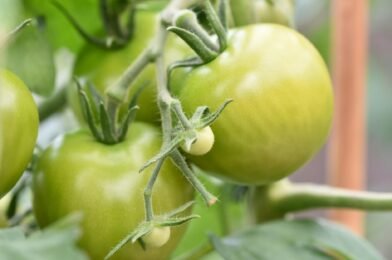
For example, my neighbor tried growing tomatoes in a shaded spot, despite their full sun requirement. The result? Small, unripe tomatoes that never saw the light of day. After a short tutorial from me on sunlight needs, she relocated them, and a few weeks later, they blossomed into a bountiful crop. This simple adjustment made all the difference, highlighting how crucial sunlight is for successful gardening.

Maintaining Sunlight for Optimal Growth

As your garden grows, so does the potential for changes in sunlight exposure. Trees that were once small might grow tall, or nearby structures might cast new shadows. Regularly monitor your garden’s sun exposure and be prepared to adjust as necessary. Pruning overgrown branches or relocating plants that are getting overshadowed can boost your garden’s overall health.

Additionally, consider using reflective surfaces like white fences or light-colored stones to enhance light availability. These surfaces can bounce sunlight back onto your plants, giving them that extra boost they may need. I’ve seen this technique work wonders in smaller gardens, where every bit of light counts. Sometimes, a little creativity is all it takes to ensure your plants receive the sunlight they crave.

For those with limited space, container gardening can also serve as a solution. By placing pots in more sunlit areas, you can cultivate a variety of plants without being confined to a single garden bed’s sunlight conditions. Flexibility is key in successful gardening!
Final Thoughts on Harnessing Sunlight

How to Plan Your Garden Layout Before Planting

How to Plan Your Garden Layout Before Planting: A Comprehensive Guide

Have you ever felt overwhelmed at the thought of starting a garden? You’re not alone! Many aspiring gardeners stare at a blank plot of land, wondering where to begin. Did you know that a well-planned garden layout can dramatically increase your yield and reduce maintenance time? Planning your garden before you dig can set the stage for a thriving oasis, whether you’re growing vegetables, flowers, or herbs.

Imagine this: you step into your backyard, and instead of chaos, a beautifully organized space greets you, bursting with vibrant colors and healthy plants. Sounds wonderful, right? With the right layout, your garden can transform from a patch of dirt into a sanctuary of growth and beauty. Let’s dive into how you can plan your garden layout effectively, ensuring every inch serves a purpose.

Understanding Your Space and Conditions

The first step in planning your garden layout is understanding the unique characteristics of your space. Take a moment to walk around your yard. What do you notice? Is it sunny, shaded, or a mix of both? Knowing the sun and wind patterns throughout the day can help you determine the best spots for various plants. For instance, if you have a corner that receives sunlight for most of the day, that could be the prime location for heat-loving vegetables like tomatoes and peppers.

Additionally, consider the soil type. Is it sandy, clayey, or well-draining? Perhaps you’ve experienced the frustration of trying to grow plants in less than ideal soil conditions. By testing your soil and knowing its pH level, you can amend it accordingly. Imagine planting a row of carrots only to find out later that they won’t thrive in your garden’s conditions. Don’t let that happen; understanding your space is vital!

Creating a Garden Layout Design

Once you’ve assessed your yard, it’s time to sketch out a garden design. You don’t need to be an artist; a simple sketch on a piece of paper will do. Start by marking fixed elements, such as trees, fences, or any existing structures. Then, think about what you want to grow. Are you aiming for a vegetable garden, a flower bed, or a combination of both? Maybe you want an herb spiral for easy access and maximum yield.

Consider companion planting as you design your layout. Certain plants thrive when grown together, while others may compete for nutrients. For example, planting basil near tomatoes can enhance their flavor. On the flip side, avoid putting potatoes next to tomatoes, as they share similar pests. Your layout can become a strategic game of chess for plants; the more you plan, the better your harvest.

Using a Grid System for Efficient Planting

A grid system can be a game-changer when planning your garden layout. This method helps you visualize spacing, which is crucial for growth. Imagine a chessboard where each square represents a specific plant; this will keep your garden organized and easy to navigate. You can create pathways between rows, making maintenance easier and allowing you to reach all plants without stepping on the soil, which can compact it.

If you’re new to gardening, using a square foot gardening method can be particularly helpful. By dividing your garden into sections, you can grow a variety of plants in a smaller space. For instance, one square could house radishes, while another might be dedicated to a single zucchini plant. Think about how much you can grow and how to maximize your limited space effectively!

Incorporating Aesthetics into Your Garden Layout

Beauty plays a significant role in how much you enjoy your garden. A thoughtful layout can enhance the visual appeal of your outdoor space. What colors do you want to see as you sip morning coffee? You might choose to arrange flowers in a color gradient or create a whimsical pattern with your vegetable plants. Consider height as well; taller plants can provide a stunning backdrop for shorter blooms or groundcovers.

Additionally, think about incorporating decorative elements such as trellises, pathways, or even seating areas. A comfortable bench nestled among fragrant herbs can be a perfect spot for relaxation. Connecting beauty with function enhances your gardening experience and can even attract pollinators, which are vital for a healthy garden ecosystem.

Planning for Maintenance and Seasonal Changes

As you finalize your garden layout, it’s essential to plan for the future. Will you have enough space to move around once your plants grow? At the end of the day, a layout that is difficult to access will lead to a neglected garden. Think about how plants will change throughout the seasons. For example, planting perennials next to annuals can create a dynamic garden that offers beauty year-round.

Consider crop rotation if you’re planting vegetables. This practice not only enriches the soil but also helps prevent diseases. By alternating the crops in specific sections of your garden each year, you can maintain a healthy growing environment. This is where your thoughtful planning pays off, allowing you to enjoy bountiful harvests season after season.

Final Thoughts: Nurturing Your Gardening Journey

As you start this gardening adventure, remember that planning is the cornerstone of success. A well-thought-out garden layout can make your gardening experience enjoyable and productive. So grab a notepad, sketch out your ideas, and let your creativity flow. Don’t forget to adapt as you learn; gardening is as much about experimentation as it is about planning.

Now, I’d love to hear from you! What are some of your favorite garden planning tips? Or perhaps you have a story about a layout that didn’t go as planned? Share in the comments below, and let’s grow together!

Gardening Basics: Everything a Beginner Needs to Know

Gardening Basics: Everything a Beginner Needs to Know

Have you ever wandered through a vibrant garden, inhaling the sweet scent of blooming flowers, and thought, “I wish I could create something like this”? The truth is, gardening isn’t just for the green thumbs of the world; anyone can cultivate their own lush sanctuary with a little knowledge and patience. Starting your own garden can feel intimidating, but it is an incredibly rewarding endeavor that connects you to nature and provides a bountiful harvest. If you’re ready to dig into this journey, let’s explore the essential gardening basics every beginner should know.

Gardening offers countless benefits beyond just beautification. Not only does it provide fresh produce, but it can also be a therapeutic outlet. Imagine spending a sunny afternoon planting seeds or tending to your plants, feeling the earth between your fingers, and watching your hard work come to life. So, what are the first steps in starting your gardening adventure? Let’s uncover some key fundamentals to set you on the path to success.

Understanding Your Garden Space

Before you plunge into planting, it’s vital to assess your available space. Take a moment to evaluate your yard or even a balcony. Do you have full sun exposure, part shade, or mostly shaded areas? Understanding how much sunlight your garden receives throughout the day is crucial because plants have different light requirements. For instance, tomatoes thrive in full sun, while leafy greens like lettuce prefer partial shade. A simple observation over the course of a few days can reveal a lot.

Additionally, consider the layout of your garden. Will you cultivate a small vegetable patch, flower beds, or perhaps a mix of both? Real-life example: Sarah, a friend of mine, transformed her small backyard into a flourishing vegetable garden by using raised beds. This not only optimized her limited space but also improved drainage and soil quality. Ask yourself: What do you want to grow, and how much space do you have to work with?

Choosing the Right Soil and Amendments

Soil is the foundation of your garden. The type of soil will significantly influence the health and growth of your plants. Ideally, you’ll want loose, nutrient-rich soil that drains well but retains moisture. When I first started gardening, I made the rookie mistake of planting in compacted soil, and my seedlings struggled to break through. To avoid this, consider mixing in organic matter like compost, which not only improves soil structure but also enriches it with essential nutrients.

Do you know what makes compost so beneficial? It acts like a superfood for your plants. You can create your own compost at home using kitchen scraps, yard waste, and other organic materials. This process not only reduces waste but also provides your garden with natural fertilizers. Mix well-rotted compost into your soil before planting, and you’ll set the stage for healthy growth.

Selecting the Right Plants for Beginners

Not all plants are created equal, especially for beginners. If you’re just starting out, it’s wise to choose hardy plants that are forgiving and easy to care for. Vegetables like radishes and carrots germinate quickly and can be harvested in a short timeframe, providing instant gratification. On the other hand, flowering plants like marigolds and zinnias can add color to your garden without demanding too much attention.

Consider this: when I started my garden, I planted a mix of herbs—basil, cilantro, and parsley—each of which flourished with minimal care and enhanced my culinary adventures. They require little space and can be grown in pots, making them perfect for beginners with limited areas. What plants draw your interest? Start with a few varieties that capture your enthusiasm and gradually expand your planting palette as your confidence grows.

Watering Wisely

Watering is often underestimated, yet it plays a pivotal role in the success of your garden. It’s not just about soaking the soil; it’s about doing it wisely. Overwatering can be just as harmful as underwatering. The key is to understand the specific watering needs of your plants. Some thrive with consistent moisture, while others prefer drying out between watering sessions. For example, succulents and cacti require infrequent watering, whereas ferns love humidity and damp conditions.

My neighbor, who is an avid gardener, swears by the “finger test.” Before watering, he pokes his finger about an inch into the soil. If it feels dry, it’s time to water. Additionally, watering early in the morning or late afternoon minimizes evaporation and allows plants to soak up needed moisture. So, what’s your watering routine? Pay attention to your plants’ cues; they’ll surely let you know what they prefer.

Weed Management and Pest Control

Weeds are every gardener’s nemesis. They compete with your plants for nutrients, light, and water. Establishing a regular weeding schedule helps keep them in check. Pulling weeds by hand can be therapeutic, but don’t underestimate the power of mulch. Applying a layer of mulch not only suppresses weeds but also retains soil moisture and keeps temperatures stable. I once neglected mulching my flower beds, only to find them overrun with pesky weeds. Lesson learned!

Pest control is another essential aspect of gardening. Instead of immediately reaching for chemical pesticides, consider natural methods to manage unwanted guests. Companion planting—growing certain plants together to deter pests—is an effective strategy. For instance, planting marigolds around your vegetable garden can help ward off aphids. At the end of the day, creating a balanced ecosystem in your garden will promote healthier plants and reduce pest problems.

Enjoying the Fruits of Your Labor

There’s nothing quite like the feeling of harvesting your first crop. Whether it’s plucking fresh tomatoes from the vine or snipping fragrant herbs for your dinner, it’s a moment of pride. As you progress in your gardening journey, remember to enjoy the process, not just the end results. Gardening has a unique way of teaching patience and nurturing, allowing you to witness the cycle of life unfold right before your eyes.

Share your gardening successes with friends and family or consider joining local gardening clubs for inspiration and support. Your experiences, whether triumphs or challenges, could inspire someone else to take up the spade and explore the world of gardening. So, what are you waiting for? Grab those gloves and get started on your green adventure!

Embrace the beauty of gardening and its endless possibilities. What will you plant first? Share your thoughts and experiences in the comments below, and let’s grow together!

10 Easiest Vegetables to Grow in Your First Garden

10 Easiest Vegetables to Grow in Your First Garden

Have you ever dreamed of walking out into your own garden, plucking fresh vegetables, and enjoying a farm-to-table experience right in your backyard? The truth is, starting a garden can feel daunting, especially if you’ve never done it before. But the good news is that some vegetables are truly beginner-friendly, requiring minimal effort while still rewarding you with bountiful harvests.

Imagine the satisfaction of nurturing a seed into a flourishing plant, then transforming that plant’s bounty into delicious meals. Whether you have a spacious yard or just a small balcony, you can cultivate your own piece of nature. Let’s dive into the ten easiest vegetables to grow in your first garden that will boost your confidence and get you excited about gardening!

1. Radishes: The Quick Harvest

Radishes are one of the quickest vegetables you can grow, often maturing within just three to four weeks! Picture this: you plant the seeds, and just weeks later, you’re pulling vibrant red bulbs from the soil. They thrive in cooler weather, making them perfect for early spring or fall planting.

All you need is well-drained soil and a little sunlight, and you’ll find that radishes are quite forgiving. In a recent community garden project, I witnessed children squealing with joy as they unearthed their first radishes—an excellent way to introduce young gardeners to the joys of cultivation.

2. Lettuce: A Leafy Delight

Lettuce is another fantastic option for beginners, as it can be grown in various climates and conditions. You can sow seeds directly in the soil or start them indoors, giving you flexibility. The beauty of lettuce is that you can harvest it leaf by leaf, ensuring a continuous supply for your salads.

During my first attempt at gardening, I started with a variety of greens. Watching those tender leaves unfurl was not just a lesson in patience but a rewarding experience. Wouldn’t you love to munch on crisp, freshly-picked lettuce right from your garden?

3. Carrots: From Seeds to Crunchy Roots

Carrots might take a bit longer to mature—usually around two to three months—but the wait is well worth it. What’s more, they’re incredibly low-maintenance! Just plant the seeds in loose, sandy soil, and watch them grow. As they develop underground, you won’t need to do much besides keep the area weed-free and watered.

I still remember the first time I harvested my carrots. They were long, vibrant orange roots that tasted sweeter than anything from the store. The fun lies in pulling them from the ground and discovering what lies beneath the surface! Have you ever tasted a carrot freshly pulled from the earth?

4. Zucchini: Prolific and Versatile

Zucchini is a gardener’s dream; it grows rapidly and produces abundantly. One plant can yield dozens of fruits in a single season! They thrive in warm weather and do well in both garden beds and containers. Plus, their versatility in the kitchen makes them a favorite among home cooks.

A neighbor of mine once planted a single zucchini plant, and by the end of the summer, she was sharing her harvest with everyone in the neighborhood. Imagine surprising your friends with homemade zucchini bread made from your own garden-grown produce. Now, that’s something to brag about!

5. Green Beans: Climbing to New Heights

Green beans are perfect for beginners, especially pole varieties that add vertical interest to your garden. They require a trellis or support to climb, and they’re among the most forgiving plants. Sowing the seeds directly into the soil is simple, and soon enough, you’ll have lush green vines full of crunchy pods.

At a community garden event, gardeners were amazed at how quickly their green beans grew. One friend even built a simple trellis using recycled materials, turning his garden into a delightful climbing wonderland. Just think—what if you could create your own little vertical garden filled with fresh beans?

6. Herbs: Flavorful Companions

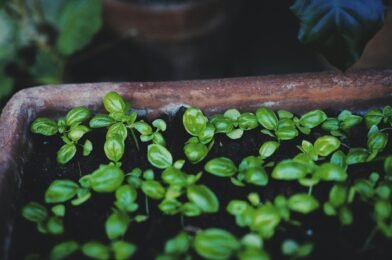
While technically not vegetables, herbs like basil, parsley, and cilantro are some of the easiest plants to grow. They thrive in pots as well, so even those with limited space can enjoy their benefits. Herbs grow quickly and add incredible flavors to your cooking without requiring extensive care.

I’ll never forget the aroma of fresh basil wafting through my kitchen after I harvested it from my own herb garden. It felt like a small victory, and I found myself cooking with more creativity than ever before. Why not sprinkle a bit of homegrown flavor into your next meal?

7. Tomatoes: A Garden Staple

Tomatoes are often seen as a fundamental gardening vegetable. They can be grown in pots or garden beds and are relatively easy to maintain if provided with adequate sunlight and water. Choose determinate varieties for smaller spaces or indeterminate ones if you have ample room for trellising.

During my first summer of gardening, my enthusiasm led me to plant multiple tomato varieties. The vibrant colors and unique flavors made each harvest an adventure. Can you imagine biting into a sun-warmed tomato, still warm from the sun? That experience is truly unmatched.

8. Peas: Sweet and Rewarding

Peas are another cool-weather crop that’s great for beginners. They grow quickly and produce sweet pods that are perfect for snacking or cooking. Directly sowing seeds in early spring is straightforward, and their climbing nature means they can be grown vertically, saving space.

A friend of mine introduced her kids to gardening through peas, and they loved the experience of popping the pods open and tasting the fresh peas inside. It’s a delightful experience that connects children with where their food comes from. Will you take a step towards a shared experience with your family in the garden?

9. Bell Peppers: Colorful and Crunchy

Bell peppers not only add a splash of color to your garden but are also quite simple to grow. They flourish in warm weather and require a bit more care than some of the other vegetables, but are still manageable for beginners. Plus, they can be grown in containers or beds.

I once witnessed a neighbor’s excitement as she harvested her first red bell pepper. She couldn’t wait to use it in her homemade salsa. The joy of colorful, homegrown produce brings a unique satisfaction. What colors will you incorporate into your garden this season?

10. Spinach: Nutrient Powerhouse

Spinach is a nutrient-rich leafy green that’s easy to cultivate and thrives in cooler temperatures. It can be grown in both spring and fall, making it a versatile choice for different seasons. One of the best things about spinach is that you can harvest it young or let it mature for a heartier green.

I recall the first time I made a salad with my homegrown spinach. The leaves tasted so fresh and vibrant! It reminded me of the importance of home gardening and how it connects us to our food sources. Why not give spinach a try and enjoy its health benefits straight from your backyard?

Gardening is not just about cultivation; it’s about connection— to nature, to your food, and to yourself. With these ten easy vegetables, you have a great starting point for your first garden. What’s holding you back from digging your hands into the soil and starting your gardening journey? Join the conversation in the comments below, share your thoughts, or tell us about your own gardening experiences!

How to Start a Vegetable Garden for Beginners: The Complete Guide

How to Start a Vegetable Garden for Beginners: The Complete Guide

Have you ever dreamed of stepping into your backyard and picking fresh tomatoes for your salad? Or perhaps you’ve imagined the thrill of growing your own carrots, knowing exactly how they were nurtured from seed to harvest? For many, the idea of cultivating a vegetable garden is attractive not just for the produce it yields but also for the sense of accomplishment it brings. Yet, where do you even begin? If you’re one of those aspiring gardeners overwhelmed by the thought of starting, you’re in the right place.

Creating your vegetable garden doesn’t have to be an insurmountable task. With a little guidance, a sprinkle of patience, and a dash of enthusiasm, you’ll be well on your way to enjoying homegrown vegetables. The truth is, starting a garden can be as simple as selecting a sunny spot in your yard and picking a few easy-to-grow seeds. Let’s dive into the essentials of getting your vegetable garden off the ground and flourishing!

Choosing the Right Location for Your Garden

The first step to a thriving vegetable garden is finding the perfect spot. Most vegetables require at least 6 to 8 hours of sunlight each day. So, take a stroll around your yard and observe the sun patterns throughout the day. Are there any areas that bask in sunlight? Perhaps your patio or a corner near the fence gets that golden glow. If you have limited sunny spots, consider using reflective surfaces or even growing vegetables in containers that can be moved to catch the sun.

Consider drainage as well. Vegetables don’t like “wet feet,” so if you notice puddles forming in certain areas after rain, steer clear of those spots. An anecdote from my gardening journey comes to mind: I once chose a charming little spot near a tree, only to have my carrots rot because the tree roots sucked up all the moisture. Lesson learned! A well-drained area is crucial for healthy plants.

Preparing Your Soil: The Foundation of Success

Here’s a tip: when preparing your soil, do it in the fall or early spring before planting. This allows the soil to settle and allows beneficial microbes to start doing their work. A friend of mine who started her garden late in spring spent a whole season watching her plants struggle because she hadn’t taken the time to prepare the soil. Don’t skip this step—it’s worth the effort!

Selecting the Right Vegetables for Beginners

Not all vegetables are created equal, especially when it comes to starting your first garden. As a beginner, you want to choose crops that are not only easy to grow but also forgiving of mistakes. Vegetables like radishes, lettuce, and zucchini are great starters. They germinate quickly and can often be harvested in a short time frame, giving you that immediate reward that keeps you motivated.

Did you know that some crops can be grown in succession? For example, once you harvest your radishes, you can plant another vegetable in the same spot! This practice, known as succession planting, can maximize your yield. My first garden was a mix of these easy veggies, and by the end of the season, I had learned lessons that would shape my gardening techniques for years to come.

Watering Wisely: The Lifeblood of Your Garden

Watering might sound straightforward, but it’s an art. Vegetables need consistent moisture, especially during hot summer months. Overwatering can lead to root rot and disease, while underwatering can stunt growth and cause stress to the plants. It’s a balancing act! A good rule of thumb is to aim for about an inch of water per week, either through rain or irrigation.

Here’s the thing: it’s better to water deeply and less frequently than to sprinkle lightly every day. This encourages deep root growth. I recall a summer when I was a little too eager and watered every day, resulting in shallow roots and puny tomatoes. Learning to adjust my watering schedule was a game changer for my plants’ health.

Keeping Pests and Weeds at Bay

Once your garden starts to flourish, you may find unwanted guests lurking around—pests and weeds. Tackling weeds should be done early and often. Mulching around your plants can help suppress weed growth while retaining moisture in the soil. What most people miss is that a thick layer of organic mulch not only keeps weeds at bay but also enriches the soil as it breaks down.

As for pests, start by observing your garden closely. You might find some insects can actually be beneficial. For instance, ladybugs eat aphids! Introduced beneficial insects can help, but sometimes a simple spray of water can dislodge harmful pests. When I first encountered aphids on my peppers, I panicked! However, I quickly learned that a bit of soap and water worked wonders. Don’t be afraid to experiment with natural methods!

Harvesting: The Reward of Your Labor

The moment you’ve worked so hard for has finally arrived: harvesting time! Knowing when and how to harvest your vegetables can make all the difference in taste and texture. For instance, tomatoes should be picked when they’ve reached their full color; you’ll be shocked at the difference in flavor compared to store-bought versions. On the flip side, if you let your zucchini grow too large, they can become tough and seedy.

Try to harvest your crops during the cooler parts of the day—early morning or late afternoon. This is when the plants are less stressed and have retained moisture. A memorable moment from my gardening escapades was when I picked a huge zucchini in the mid-afternoon sun—it was a bit wilty and not as satisfying. The heat can take a toll on the freshly harvested produce, so timing is everything!

Enjoying the Fruits of Your Labor

Finally, after all that hard work, it’s time to enjoy the fruits of your labor. Incorporating your homegrown vegetables into your meals can be immensely satisfying. Whether you’re making a crisp salad from your garden greens or tossing together a veggie stir-fry, the flavors can’t be beaten. Plus, there’s something special about sharing your homegrown harvest with friends and family.

So, what do you think? Are you ready to dig into your garden and grow your own vegetables? Remember, gardening is a journey. Don’t be discouraged by setbacks; they are merely learning experiences. Share your gardening adventures or any questions you might have in the comments below—let’s grow together!