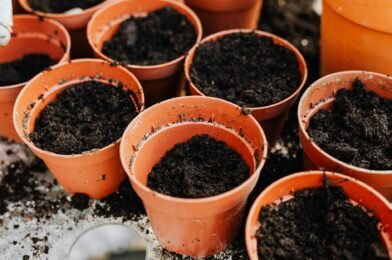
Drip Irrigation for Beginners: Save Time and Water

Mastering Drip Irrigation for Beginners: Save Time and Water Effectively

Have you ever watched your plants struggle under the scorching sun, while you lug around a watering can, wishing there was a simpler way? Or perhaps you’ve seen a neighbor’s garden thriving beautifully, effortlessly nourished by a seemingly magical system of hoses. The truth is, drip irrigation is that magic, offering a straightforward solution to an age-old problem: how to efficiently water your plants without wasting resources.

Imagine a system that not only conserves water but also delivers it right to the roots where it’s needed the most. Drip irrigation systems are a game-changer for gardeners of every level. Whether you’re tending to a sprawling vegetable garden or nurturing a few potted plants on your balcony, this technique can save you time and money while promoting healthy growth. Are you ready to dive into the world of drip irrigation?

Understanding the Basics of Drip Irrigation

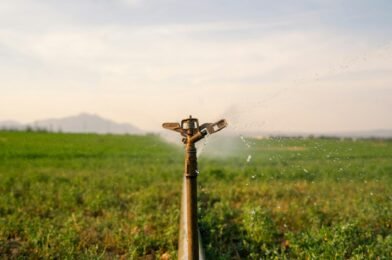
At its core, drip irrigation is a method that involves delivering water directly to the base of your plants in a slow, controlled manner. Unlike traditional watering methods, which often lead to excessive runoff and evaporation, drip irrigation minimizes water loss. The system consists of tubing, emitters, and connectors, allowing you to tailor your setup to fit the unique needs of your garden.

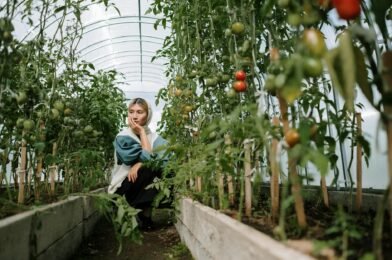
Take my friend Sarah, for instance. She started gardening to grow fresh tomatoes but quickly became frustrated with the time-consuming process of watering her plants daily. After switching to a drip irrigation system, she was amazed at how easy it was to maintain her garden. By setting a timer, she could focus on enjoying her evenings rather than stressing over watering schedules. This simple shift not only saved her time but also led to a more abundant harvest.

The Benefits of Drip Irrigation

Why should you consider drip irrigation for your garden? For starters, it’s incredibly efficient. Studies show that drip systems can reduce water usage by up to 50% compared to traditional watering methods. This is especially crucial in regions facing drought or water restrictions. Plus, because water is delivered directly to the root zone, plants are less susceptible to diseases caused by excess moisture in the foliage.

But that’s not all. Many gardeners find that their plants flourish when using this method. The even distribution of water encourages healthier root development, leading to stronger, more resilient plants. Think of it this way: when plants have access to the right amount of moisture, they can focus on growing rather than simply surviving. Have you ever wondered why some gardens seem to thrive effortlessly? Drip irrigation might just be their secret.

Components of a Drip Irrigation System

Setting up a drip irrigation system can feel daunting, but it’s simpler than you might think. The essential components include tubing, emitters, connectors, and a water source. Most systems start with mainline tubing that carries water from your faucet or hose to the garden beds. Emitting devices attached to the tubing then release water slowly at a specific rate, ensuring your plants receive just the right amount.

Imagine walking through a garden where each plant receives a measured dose of water, directly targeting their roots. When I set up my first system, I was surprised at how easy it was to assemble. I simply measured my garden beds, cut the tubing to size, and added emitters spaced according to my plants’ watering needs. Before I knew it, watering became a breeze, and I could finally relax and enjoy my garden.

Installation Tips for Success

When it comes to installing your drip irrigation system, planning is essential. Start by sketching out your garden layout. Think about the type of plants you have and their watering requirements. Some plants, like succulents, need less water, while others, such as tomatoes, thrive with more moisture. Once you have a plan, gather your materials and consider visiting a local gardening store for advice specific to your region.

A common mistake beginners make is placing emitters too far from the plants. To avoid this, follow the rule of thumb: emitters should be placed directly at the plant’s root zone. If you’re working with several plant types, you might even want to create zones within your system to tailor the water output. This way, you won’t waste water or risk overwatering any plants. Have you mapped out your garden yet?

Maintaining Your Drip Irrigation System

Once your system is up and running, maintenance is key to ensuring its longevity and efficiency. Regularly check for clogs in the emitters, especially if you notice your plants starting to droop or look thirsty. Flushing the system at the start of the season can help prevent buildup, and cleaning the emitters with vinegar or a small brush can extend their life.

Additionally, consider seasonal adjustments. As temperatures rise or fall, your plants’ water needs will change. Monitor their health and be prepared to modify your watering schedule accordingly. My neighbor learned this the hard way when he forgot to adjust his system for the summer heat; his tomatoes ended up suffering. Reflect on your garden’s changing needs, and you’ll ensure a flourishing environment.

Final Thoughts on Embracing Drip Irrigation

Drip irrigation is not just a trend; it’s a practical solution for anyone looking to optimize their watering practices. Not only does it save time, but it also conserves water and enhances plant health. Whether you’re a seasoned gardener or just starting out, incorporating a drip irrigation system can make a world of difference.

Are you ready to take your gardening to the next level? With the right tools and a little planning, you can create an efficient and thriving landscape. Join the ranks of smart gardeners who have discovered the benefits of drip irrigation. Share your experiences or ask questions below—let’s get the conversation started!
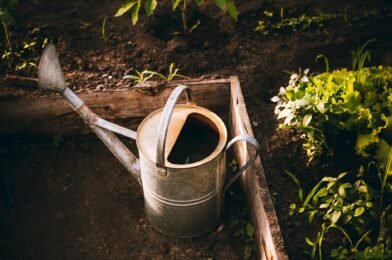
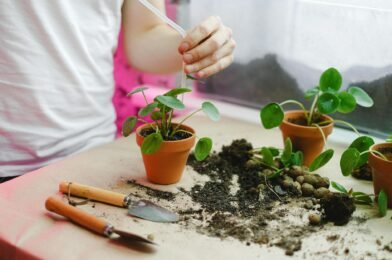
How to Water Your Garden Properly Without Wasting Water

How to Water Your Garden Properly Without Wasting Water

Imagine standing in your vibrant garden, surrounded by flourishing plants and the sweet scent of blooming flowers. But then, a thought crosses your mind: Am I watering my plants efficiently? With the rising concern about water conservation, it’s crucial to master the art of watering without waste. The truth is, many gardeners struggle with this, often drowning their plants while watching precious water seep into the ground unutilized. So how can you cultivate a lush garden and be eco-friendly at the same time?

Gardening is not just about planting seeds; it’s also about understanding the needs of each plant. Watering may seem straightforward, but there’s a delicate balance that can make all the difference. Overwatering can lead to root rot, while underwatering can stunt growth. Here’s the thing: watering your garden properly requires a little knowledge and some strategic planning. In this guide, we’ll explore effective methods to ensure your plants thrive, all while conserving water in the process.

Understanding Your Plants’ Needs

Every plant has its own thirst levels. For instance, succulents and cacti require much less water compared to leafy greens or flowering plants. Understanding these needs is crucial to watering correctly. When I first started my garden, I made the rookie mistake of treating all plants the same. My poor hydrangeas nearly wilted while my succulents thrived on my overzealous watering habits. The lesson? Each plant tells a story. Take time to research your garden’s species. What do they thrive on? How deep do their roots go? Tailoring your watering schedule to fit these specific needs can drastically reduce waste.

Another aspect to consider is the season. During the hot summer months, plants often need more water, but in the cooler seasons, their needs decrease. Keep an eye on the weather and adjust your routine accordingly. This is where a rain gauge can become your best friend. By measuring the rainfall, you’ll better understand how much additional water your plants require, thus preventing unnecessary watering. It’s all about observing and adapting.

Smart Watering Techniques

Have you ever heard of drip irrigation? This method has gained popularity among gardeners aiming for efficiency. Unlike traditional hoses or sprinklers that can waste water through evaporation and runoff, drip irrigation delivers water directly to the roots. This targeted approach not only conserves water but also reduces the risk of weed growth since less water is distributed to surrounding areas. When I installed a drip system in my garden, I was amazed at how my plants responded—healthier and more vibrant than ever before!

Consider watering your garden early in the morning or late in the evening. Why? During these times, the sun is less intense, leading to less water evaporation. I’ve experienced firsthand the difference this simple adjustment can make. Instead of watering during the sweltering midday heat, I now enjoy my coffee while tending to my garden in the cool morning air, knowing I’m doing my part to conserve water.

Mulching for Moisture Retention

Here’s a tip that not everyone thinks about: applying mulch can significantly help reduce water evaporation. By covering the soil with organic materials like straw, grass clippings, or wood chips, you create a barrier that locks in moisture. This method not only keeps the soil cool but also reduces the frequency of watering. I remember a summer when I was overwhelmed with the heat and my plants were drying out. A friend suggested adding a layer of mulch. The change was astounding! Not only did my watering needs decrease, but my plants flourished beautifully.

Moreover, mulch also improves soil quality over time as it decomposes, creating a win-win situation. So next time you’re at the garden center, don’t overlook this simple yet effective solution. Your plants will thank you!

Collecting and Utilizing Rainwater

Rainwater harvesting is another fantastic way to water your garden while being environmentally conscious. Why let that precious resource run off into storm drains when you can collect it for your plants? Setting up a rain barrel can be as simple as placing a container under a downspout. This way, whenever it rains, you’re filling up your reservoir without a single drop of municipal water used. Think about it: this is nature’s way of watering your garden for free!

I vividly recall the first time I utilized rainwater for my garden. After a heavy downpour, I was able to fill my barrel to the brim. The satisfaction of watering my garden with nature’s bounty was unmatched. Plus, using rainwater is beneficial for your plants; it’s usually free of the chemicals found in tap water!

Final Thoughts on Water Conservation in Gardening

As you embark on your gardening journey, remember that effective watering can help you conserve water and cultivate a thriving garden. By understanding your plants’ specific needs, employing smart watering techniques, utilizing mulch, and harvesting rainwater, you can ensure your garden flourishes without wasting this precious resource.

So, what’s holding you back from implementing these strategies? It’s time to take control of your watering habits and embrace these sustainable practices. Share your experiences or ask questions below; let’s inspire each other to create gardens that are both beautiful and eco-friendly!

How to Test Your Garden Soil at Home

How to Test Your Garden Soil at Home: A Comprehensive Guide

Picture this: You’ve spent countless hours tending to your garden—planting, watering, and nurturing—but your plants just aren’t thriving. What’s the missing link? More often than not, it’s the soil. Healthy soil is the foundation for a vibrant garden, but how do you know if yours is up to par? The truth is, testing your garden soil at home is easier than you might think, and it’s essential for successful gardening.

So, why should you care about testing your soil? For starters, soil health directly influences nutrient availability, pH levels, and overall plant growth. Just like we need a balanced diet to thrive, plants require specific nutrients to flourish. By understanding the composition of your soil, you can make informed decisions that will lead to a more productive garden. Ready to dig in? Let’s explore the steps to test your garden soil from the comfort of your home!

Understanding Soil Composition: Why It Matters

Your garden soil isn’t just dirt; it’s a complex ecosystem filled with minerals, organic matter, and microorganisms. When we talk about soil composition, we’re referring to the balance of sand, silt, and clay. Each type of soil serves a different purpose. Sandy soil drains quickly, while clay soil retains water. Loamy soil, a blend of all three, is often considered the best for gardening. To illustrate, think about your neighbor’s garden thriving in rich, loamy soil while yours, made of sandy dirt, struggles to hold moisture. Understanding your soil’s composition will empower you to make necessary amendments to improve your plants’ health.

Gathering Your Soil Samples: The Right Way

To kick off your soil testing, you’ll need to gather samples. This is a crucial step, and doing it right will yield more accurate results. Start by choosing several areas in your garden, especially where plants seem stunted or unhealthy. Using a clean garden trowel, remove the top two to three inches of soil, as this layer often contains debris and organic matter that can skew results. Instead, dig down about six inches, collect a small sample, and place it in a bucket. Repeat this process in different areas, and mix the samples well in the bucket to create a composite sample. Remember, the more thorough you are, the more reliable your results will be!

Testing pH Levels at Home: A Simple Method

pH is a crucial factor in soil health—it affects nutrient availability, microbial activity, and even plant growth. To test your soil’s pH at home, you can use a simple method with items you likely already own. Mix one part soil with one part distilled water in a clean container, then stir in a tablespoon of baking soda. If it fizzes, your soil is acidic (below 7 pH). If it doesn’t sizzle, repeat the process with vinegar; if it fizzes, your soil is alkaline (above 7 pH). Here’s the thing: most garden plants prefer a pH between 6.0 and 7.5 for optimal growth. Knowing your soil’s pH will guide you in making appropriate adjustments.

Examining Nutrient Levels: The DIY Soil Test Kit

If you’re keen to delve deeper into your soil’s nutritional profile, investing in a DIY soil test kit is a smart move. These kits often include tests for nitrogen, phosphorus, and potassium—the three main nutrients crucial for plant growth. Follow the instructions to mix your soil sample with the testing solutions provided in the kit. For example, when I first tested my garden soil, I was shocked to find that it lacked potassium, leading to stunted plant growth. By adding the right nutrients, I was able to transform my garden into a lush paradise!

Amending Your Soil: The Next Steps

Once you have the results from your tests, it’s time to take action. If your soil is too acidic, you may need to add lime to raise the pH. Conversely, if it’s too alkaline, sulfur could help lower it. For nutrient deficiencies, organic fertilizers like compost or well-rotted manure can be game-changers. What most people miss is that improving soil health is not an overnight process—consistency is key. Regular testing and amendments over time will yield the best results. After all, a thriving garden doesn’t just happen; it’s cultivated with care!

When to Test Your Soil: Timing is Key

Knowing when to test your garden soil is just as important as how to test it. Ideally, testing should be done once a year, preferably in the spring or fall when the soil is neither too wet nor too dry. This timing allows you to address any deficiencies before planting season begins. I remember one year, I tested in the late summer, only to realize my soil needed significant amendments before I could plant my fall crops. Don’t make the same mistake—plan your soil testing wisely to optimize your garden’s potential!

Sharing Your Findings: Community Matters

After testing and amending your soil, why not share your findings with fellow gardening enthusiasts? Whether it’s at a local gardening club, on social media, or even in an online forum, sharing your experiences can help others learn from your journey. For instance, when I shared my story about transforming poor soil into a thriving garden, I received an outpouring of advice and tips that enriched my gardening knowledge. Plus, helping others fosters a sense of community that can enhance your own gardening pursuits.

Your garden soil is more than just a growing medium; it is a living entity that requires attention and care. By testing your soil at home, you empower yourself to create the best environment for your plants. What’s stopping you? Grab your tools, gather your samples, and embark on the journey toward a healthier garden today! Have you tested your soil before? What were your findings? Share your thoughts in the comments below!

The Best Natural Fertilizers for a Thriving Garden

The Best Natural Fertilizers for a Thriving Garden

Have you ever wondered how some gardens seem to flourish effortlessly, bursting with vibrant colors and healthy plants? The secret often lies beneath the surface, in the soil itself. Natural fertilizers are key to promoting growth, enriching the earth, and creating an environment where plants can thrive. But which ones should you choose? Let’s explore the best options available for cultivating a garden that not only looks good but also feels good.

Truth is, many gardeners overlook the power of natural fertilizers, opting for chemical alternatives without considering their long-term impacts. These synthetic options can deplete soil health over time, while natural fertilizers enrich it. Here’s the thing: using organic solutions not only supports a healthier ecosystem but also increases the quality of your harvest. If you’re ready to dig into the world of natural fertilizers, let’s take a closer look at some top contenders for your garden.

Compost: The King of Soil Amendments

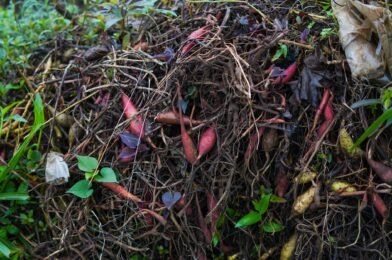
Compost is often referred to as “black gold” for a reason. This rich, organic matter is a powerhouse of nutrients that can dramatically improve soil structure and fertility. Made from decomposed kitchen scraps, yard waste, and other organic materials, compost provides a balanced diet for your plants. Did you know that compost also helps retain moisture in the soil? It creates a sponge-like effect that holds water, allowing your plants to thrive even during dry spells.

For instance, a neighbor of mine transformed her struggling vegetable garden by adding homemade compost. After just a few weeks, her tomatoes and cucumbers began to flourish, producing more than she had ever anticipated. If you want to start your compost pile, all it takes are a few kitchen scraps, some dried leaves, and a bit of patience. Turn that waste into nourishment, and watch your plants prosper!

Manure: A Traditional Garden Secret

While it might not sound glamorous, manure has been a gardener’s ally for centuries. Whether it’s cow, chicken, or horse manure, this natural fertilizer is rich in essential nutrients like nitrogen, phosphorus, and potassium. Manure not only feeds your plants but also enhances soil structure, making it more aerated and easier to work with. The key is to ensure it’s well-aged or composted before application to avoid burning your plants.

Consider a local farm that offers free or low-cost manure to community members. By utilizing this resource, gardeners can significantly reduce their fertilizer costs while providing their soil with a nutrient-rich boost. Imagine nurturing your plants with the very same natural fertilizer that has been used for generations. Does this not connect you to a larger tradition of sustainable gardening?

Bone Meal: A Nutrient-Rich Phosphorus Source

For those looking to boost root development and flowering, bone meal is a fantastic choice. This organic fertilizer is made from crushed animal bones and is rich in phosphorus, which is crucial for healthy plant growth. It’s especially beneficial for flowering plants and bulbs, ensuring they have the nutrients necessary to produce stunning blooms.

Recently, I learned about a gardener who was struggling with her perennial flowers. After incorporating bone meal into her soil mix, she noticed a remarkable difference. Her plants not only bloomed abundantly but also grew more robust and resilient. If you’re eager to improve flowering performance in your garden, consider adding bone meal to your planting routine. It’s a simple yet effective way to enhance the beauty of your space.

Fish Emulsion: A Liquid Gold for Quick Nutrient Delivery

When you think of fertilizing your garden, consider the power of fish emulsion. This liquid fertilizer, derived from fish byproducts, is packed with nutrients and is rapidly absorbed by plants. It’s particularly helpful during the growing season when your plants are in desperate need of nourishment. Fish emulsion not only stimulates growth but also improves overall plant health.

A good friend of mine swears by fish emulsion for her indoor plants. After switching from traditional fertilizers, she noticed her plants were more vibrant and produced more leaves than ever before. The rich aroma might take getting used to, but the results speak for themselves. Why not give this natural option a try? You may find that your plants respond with renewed vigor.

Wood Ash: A Potassium-Rich Boost

Don’t toss out those leftover ashes from your fireplace! Wood ash is an underrated natural fertilizer that provides potassium and lime, which can enhance plant growth and improve soil pH for certain crops. However, it’s essential to use ash sparingly, as too much can create an alkaline environment that may negatively affect some plants.

Consider this: a local community garden utilized wood ash collected from its members’ homes to fertilize their crops. The results were astounding. They saw a noticeable increase in the yield of beans and tomatoes, proving that even the simplest ingredients can lead to significant benefits. Are you ready to turn what would be waste into a valuable resource for your garden?

Final Thoughts on Natural Fertilizers

So, what are your favorite natural fertilizers to use? Have you experienced any remarkable transformations in your garden? Share your thoughts below or spread the knowledge by sharing this article with fellow gardening enthusiasts!

Composting 101: Turn Kitchen Scraps Into Black Gold

Composting 101: Turn Kitchen Scraps Into Black Gold

Have you ever wondered what happens to your kitchen scraps when you throw them away? Most people don’t give it a second thought, yet nearly 30% of what we toss could be transformed into nutrient-rich compost instead of heading straight to a landfill. Imagine taking your fruit peels, coffee grounds, and vegetable trimmings and turning them into “black gold” for your garden. Composting isn’t just a trend—it’s a sustainable practice that can enrich your soil and reduce your environmental footprint.

Truth is, composting is surprisingly easy. You don’t need a degree in horticulture or a vast backyard to get started. With just a few basic principles, anyone can create their own compost pile. Whether you’re an urban dweller with a small balcony or a homeowner with a spacious yard, composting can fit into your lifestyle. Are you ready to roll up your sleeves and dive into the world of compost? Let’s explore the essential steps and tips to turn those kitchen scraps into something extraordinary.

The Basics of Composting

Composting is the natural process of recycling organic material, like food scraps and yard waste, into a rich soil amendment known as compost. But what does that mean in practice? At its core, composting harnesses the power of microorganisms, worms, and other decomposers to break down organic matter. This process not only reduces waste but also enriches your soil with essential nutrients.

The typical composting process involves layering “greens” (nitrogen-rich materials like kitchen scraps and grass clippings) with “browns” (carbon-rich materials like dried leaves and cardboard). This balance is crucial; too many greens can lead to a smelly pile, while too many browns can slow down decomposition. A common misconception is that you need a fancy compost bin. In reality, a simple pile or a homemade bin can do the trick. Have you considered where you would place your compost pile? The right location can make a difference in the speed of decomposition.

What to Compost: The Do’s and Don’ts

One of the most common questions new composters have is, “What can I compost?” The answer is quite expansive. Cooked foods, eggshells, coffee grounds, fruit and vegetable scraps, grass clippings, and dried leaves can all go into your compost. Here’s a quick checklist to help you remember:

  • Do compost: Vegetable scraps, coffee grounds, tea bags, eggshells, grass clippings, and dried leaves.
  • Don’t compost: Meat, dairy, oily foods, and diseased plants.

Let’s talk about a real-life example. Sarah, a passionate gardener living in a small apartment, started composting her kitchen scraps in a simple worm bin. Initially hesitant, she discovered that even small kitchens can yield a surprising amount of organic matter. Within just a few months, she had produced enough worm castings to nourish her houseplants. Isn’t it amazing how a little effort can lead to such rewarding results?

How to Start Composting at Home

Starting your compost pile doesn’t have to be daunting. To begin, choose a location that’s convenient for you—somewhere accessible but not too close to your living spaces to avoid odors. If you’re using a bin, make sure it has proper ventilation. Start by layering your browns and greens, mixing them together as you go. The key is to maintain a good balance, so your compost doesn’t become too wet or dry.

One effective strategy is to keep a compost bucket in your kitchen. This way, you can easily collect scraps throughout the week. Once it’s full, take it out to your compost pile. Did you know that maintaining the right moisture level can significantly speed up the composting process? Aim for a consistency similar to a wrung-out sponge. If it’s too dry, sprinkle some water; if it’s too wet, add more browns.

Maintaining Your Compost Pile

Once you’ve started your compost pile, the work isn’t over. Regular maintenance is vital to ensure that your compost breaks down efficiently. Turn your pile every few weeks to aerate it, which accelerates the decomposition process. This also helps to mix the layers, ensuring that all materials are equally broken down. Have you ever turned a compost pile? It’s a bit like flipping a cake—satisfying and essential for the final product!

Another important aspect is temperature. A well-managed compost pile can heat up significantly, promoting the decomposition of materials. Monitoring the temperature allows you to know when to aerate and when to add materials. If your compost pile has been active for several months, it might be time to sift through it for finished compost, which should be dark, crumbly, and earthy-smelling. Trust me; the first time you see that black gold, you’ll be inspired to compost even more!

Using Finished Compost

Once your compost is ready, the possibilities are endless. You can use it to enrich your garden beds, add it to potting soil, or even sprinkle it around your houseplants. Finished compost not only improves soil structure but also enhances water retention and provides a steady supply of nutrients to plants. Imagine transforming your garden into a lush paradise with minimal effort—all thanks to your kitchen scraps!

Take the story of John, an avid landscaper who started using compost in his garden. After a year of composting, he noticed healthier plants and a more vibrant garden. His neighbors began to ask for his secret, and John happily shared his composting journey. “Once you see the difference it makes, you’ll never throw away food scraps again!” he often tells them.

At the end of the day, composting is a powerful tool for sustainability. It’s not just an eco-friendly practice; it’s a way to connect with nature and participate in the cycle of life. So, what are you waiting for?

Join the Composting Movement

Composting isn’t just for gardening enthusiasts or eco-warriors. It’s a simple and impactful way to make a difference in your home and the environment. By composting, you’re not only reducing waste but also nurturing the earth that provides for us. Plus, the skills you develop—patience, observation, and care—are invaluable.

So, do you feel inspired to start your own composting journey? Picture this: you, standing proudly next to a thriving garden, knowing you turned what would have been waste into a vibrant source of life. Go ahead, give it a shot! Share your composting success stories or ask questions in the comments below. Happy composting!

How to Improve Garden Soil Without Chemical Fertilizers

How to Improve Garden Soil Without Chemical Fertilizers

The secret to a thriving garden lies not just in the plants you choose, but in the soil that nurtures them. Have you ever considered the impact that chemical fertilizers might have on your garden’s ecosystem? While these products can deliver quick results, they often lead to long-term soil degradation and can harm beneficial microbes. Here’s the truth: improving your garden soil can be achieved with natural methods that enhance fertility without relying on synthetic chemicals.

Imagine walking through a lush garden—vibrant flowers, robust vegetables, and the air filled with the scent of fresh earth. This beauty isn’t just a product of good seeds and diligent watering; it all starts with rich, healthy soil. But how do you create that optimal environment for your plants? The answer lies in understanding the components of soil health and utilizing organic techniques to improve its structure, fertility, and biodiversity.

Understanding Soil Composition

To improve your garden soil, it’s essential first to understand its basic components: minerals, organic matter, air, and water. Mineral content provides the structural framework of the soil, while organic matter, such as decomposed plants and animal waste, enriches it with nutrients. Here’s the thing: when you disrupt the balance with chemical fertilizers, you may inadvertently strip away this organic matter, leaving your soil barren and lifeless.

For example, consider the case of a gardener named Lisa. She inherited a garden that had been treated with chemical fertilizers for years. At first, she saw quick results, but over time, her plants struggled to thrive. After researching soil health, Lisa decided to implement organic practices. She began composting kitchen scraps and yard waste, significantly boosting the organic matter in her garden. This pivot not only revitalized her plants but also created a thriving ecosystem beneath the surface.

Add Organic Matter

Organic matter is like a magic potion for your garden soil. It improves drainage, retains moisture, and provides essential nutrients that plants need to flourish. But what are the best sources? Compost, well-rotted manure, leaf mold, and green manures are all excellent choices. The beauty of composting is that it transforms your kitchen scraps and garden waste into a goldmine of nutrients, which you can then cycle back into your soil.

Picture this: every time you toss vegetable peels or coffee grounds into your compost bin, you’re making a deposit in your garden’s health bank. When you work this finished compost into your soil, you enrich it with a wealth of nutrients and beneficial microorganisms. At the end of the day, organic matter acts as a sponge, holding onto water and nutrients that your plants can access when needed.

Practice Crop Rotation

Crop rotation isn’t just a practical farming technique; it’s a powerful strategy for improving soil health. By changing the types of crops you grow in a specific area each year, you can prevent nutrient depletion and reduce the buildup of pests and diseases. This method not only enhances soil quality but also promotes biodiversity in your garden.

Take, for instance, a farmer named John who grows vegetables. He used to plant tomatoes in the same spot every year. However, after realizing that his soil was becoming less fertile over time, he decided to implement a crop rotation plan. The following season, he alternated tomatoes with legumes like beans and peas, which fix nitrogen in the soil. As a result, his tomato yield improved dramatically the next planting season—a testament to the power of thoughtful crop management!

Utilize Mulching Techniques

Mulching is another fantastic method to improve your garden soil without resorting to chemicals. Applying a layer of organic material—like straw, grass clippings, or shredded leaves—helps suppress weeds, retains moisture, and regulates soil temperature. Moreover, as that mulch breaks down, it enriches the soil with nutrients.

Encourage Natural Soil Life

Healthy soil is teeming with life. Earthworms, beneficial insects, and microorganisms all contribute to soil fertility and structure. But how can we encourage this thriving underground community? One effective way is to reduce soil disturbance. Practices like no-till gardening help maintain the soil structure and protect the organisms that live within it.

Conclusion

Small Balcony Garden Ideas Anyone Can Try

Small Balcony Garden Ideas Anyone Can Try

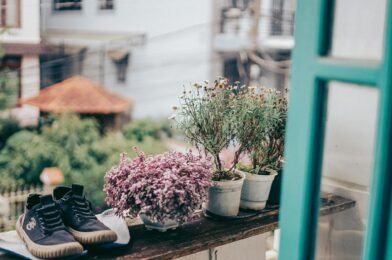
Have you ever looked out at your balcony and thought it was just a cramped space with no potential? You’re not alone! Many city dwellers grapple with the challenge of limited outdoor space, which often leads to a lost opportunity for greenery and life. But here’s the exciting part: even the smallest balconies can transform into lush gardens bursting with color and personality. Believe it or not, you can create a thriving balcony garden with just a bit of creativity and the right plants.

Picture this: coming home after a long day to a serene oasis right outside your door. The aroma of fresh herbs fills the air, and colorful blooms brighten your evenings. With the right small balcony garden ideas, you can turn that dream into reality. All you need is a willingness to explore new gardening techniques, a bit of planning, and a few containers to get started. So, are you ready to embrace your balcony as a vibrant extension of your home?

Vertical Gardening: Maximize Your Space

If space is tight, vertical gardening might be your best friend. Imagine a wall covered with cascading plants, bringing life to your balcony without taking up valuable floor space. Using shelves or wall-mounted planters, you can create a stunning visual effect. For example, a friend of mine transformed her narrow balcony by installing wooden trellises adorned with climbing plants like sweet peas and morning glories. The result? A breathtaking green backdrop that even attracted butterflies!

Another idea is to use hanging pots. They not only save space but also add depth to your garden. You can hang them in a staggered manner for a cascading effect or cluster them for a bold statement. Plus, consider planting herbs like basil, mint, and thyme in these containers. Not only do they look great, but they also provide fresh ingredients for your culinary adventures. What’s better than snipping fresh herbs right from your balcony for a home-cooked meal?

Container Choices: Think Outside the Box

When it comes to container gardening, your options are nearly endless. While traditional pots are a staple, innovative ideas can spark your creativity. Consider using recycled materials—old wooden crates, tin cans, or even an unused ladder repurposed into a plant stand. These unique choices not only add charm but also tell a story and reflect your personality.

Just last summer, I attended a neighborhood garden tour where one home featured an eclectic mix of colorful metal buckets filled with geraniums and petunias. It was a joyful explosion of color that made a lasting impression. This type of playful container gardening can make your balcony feel vibrant and inviting. Plus, don’t forget to choose containers that suit your plants’ needs. Drainage is key; ensure your containers have holes in the bottom to prevent waterlogging.

Choosing the Right Plants for Small Spaces

Not all plants are created equal when it comes to small balcony gardens. Some thrive in confined spaces while others might overwhelm your area. For a successful garden, think about compact varieties that won’t outgrow their containers. Herbs, dwarf vegetables, and flowering annuals are excellent choices. For instance, cherry tomatoes can flourish in pots if you choose smaller varieties like ‘Tiny Tim’ or ‘Patio Princess.’

Moreover, look for plants that bring beauty and function into one package. Ornamental peppers, for example, are not only colorful but can also add a spicy kick to your meals. My neighbor once planted a combo of lavender and rosemary, creating a fragrant haven that was both beautiful and useful for her cooking. As you select your plants, be mindful of their sunlight needs. Do you have a sunny or shady balcony? Understanding this will guide you in making the right choices.

Seasonal Gardening: Keep It Fresh Year-Round

What if I told you that you can enjoy your balcony garden in every season? The truth is, with some strategic planning, you can have blooming flowers, fresh vegetables, and fragrant herbs year-round. Start by selecting seasonal plants. In spring, plant pansies or snapdragons for vibrant color. During summer, let your tomatoes, peppers, and cucumbers shine. As fall approaches, consider planting kale or ornamental cabbages to keep the interest alive.

Don’t forget winter! Many people overlook the potential of winter gardening, but you can still grow hardy plants like winter jasmine or even certain types of herbs. A friend of mine keeps a small herb garden going through the winter using a simple mini greenhouse. This creative approach not only provides fresh ingredients for winter meals but also brightens up those dreary months. So, have you thought about how you can keep your garden thriving through every season?

Creating a Relaxing Atmosphere

At the end of a busy day, your balcony should be a sanctuary. Beyond just plants, think about creating a cozy atmosphere. Consider adding comfortable seating, soft lighting, and decorative elements like garden art or string lights. This will not only enhance the visual appeal but also make your space inviting for relaxation or entertaining friends. A simple folding chair and a small side table can work wonders.

For instance, last summer, I enjoyed several evenings on my friend’s balcony, complete with fairy lights and comfortable cushions. They had transformed a simple space into a charming retreat, making it the perfect spot for summer gatherings. Don’t underestimate the power of ambiance! By incorporating elements that reflect your style, you’ll create a personal oasis right outside your door.

Conclusion: Start Your Balcony Transformation Today!

Your small balcony is brimming with potential, waiting for you to unleash your creativity. By incorporating vertical gardening, choosing the right containers, and selecting plants that suit your space, you can create a garden that not only beautifies your home but also enriches your life. So why wait? Start planning your balcony garden today! Have you tried any of these ideas, or do you have your unique approach? Share your thoughts in the comments below!

How to Choose the Right Pot Size for Every Plant

How to Choose the Right Pot Size for Every Plant

Have you ever planted a beautiful flower only to watch its growth stunted by a pot that was either too small or, conversely, too large? It’s a frustrating reality for many gardeners, and understanding the importance of choosing the right pot size for each plant is crucial for successful container gardening. The truth is, the pot you select can greatly influence your plant’s health, growth rate, and overall aesthetic appeal. But how do you ensure you’re making the right choice?

Let’s explore the key factors to consider when selecting pot sizes, delve into specific plant needs, and help you make informed decisions that will keep your green companions thriving. Whether you’re a seasoned gardener looking to refresh your container setup or a beginner eager to avoid common pitfalls, this guide will equip you with the knowledge you need.

Understanding Plant Needs

Every plant has its own unique requirements when it comes to space, drainage, and root development. For instance, a small herb like basil thrives in a petite pot that allows its roots to breathe while maintaining adequate moisture. On the other hand, a larger plant such as a tomato requires a more significant amount of space for its roots to spread out and access nutrients effectively. Here’s the thing: if you underestimate the needs of your plants, you risk stunting their growth and possibly harming them in the long run.

Consider this scenario: a friend of mine decided to plant some succulents in tiny pots she found at a quirky art store. Initially, they looked adorable on her windowsill. However, after a few weeks, the plants started to droop. The lesson? Succulents need adequate room to grow; cramped conditions can lead to root rot. Assessing the specific growth patterns and space needs of each plant type is vital for a flourishing garden.

Choosing the Right Pot Size

When it comes to choosing the right pot size, a general rule of thumb is to go one size up from where the plant currently resides. For example, if your plant is in a 4-inch pot, consider moving it to a 6-inch pot. This allows enough room for the roots to spread without overwhelming the plant with excess space. But here’s the catch: too large a pot can lead to overwatering, as the soil may retain moisture much longer than the roots can utilize. Balance is key.

Additionally, consider the height of the pot. A deeper pot is beneficial for plants with extensive root systems, like carrots or lilies. Conversely, shallow-rooted plants, such as lettuce or herbs, will flourish in more shallow containers. It’s all about understanding your plant’s specific needs and providing the right environment for growth.

Drainage Matters

Let’s talk about drainage, an often-overlooked aspect of container gardening. No matter how perfect your pot is in size, poor drainage can lead to disastrous consequences. Plants like peace lilies enjoy moisture but can quickly suffer if their roots sit in soggy soil. Always ensure your pots have drainage holes, and elevate the pot slightly off the ground if necessary, allowing excess water to escape freely.

Don’t just trust the pot’s material; make sure it’s suitable for the plant. Terracotta pots, for example, are great for porousness and allow moisture to evaporate, thus preventing overwatering. When I started using terracotta pots for my indoor ferns, they flourished in ways I had never seen before. It was a game-changer. So, consider how your pot’s material affects moisture retention and drainage.

Visual Aesthetics and Space

While functionality is paramount, let’s not forget about aesthetics. The visual appeal of your garden matters, especially if it’s displayed prominently in your living space. Size does matter in this context as well. For example, a massive pot brimming with a single plant can create an eye-catching statement piece, while smaller pots can provide a lovely clustered effect. However, ensure that the size complements the space you’re working with. A giant planter in a cramped corner or a tiny pot on an expansive shelf can look out of place.

Your plant’s visual impact also depends on its growth habit. Tall, spindly plants like snake plants may require taller pots to balance their height, while bushier plants like petunias look lovely in wider, shallower pots. Think about how the size will enhance the overall aesthetic of your container garden.

Experimentation is Key

Container gardening is as much an art as it is a science, and sometimes the best way to figure out the right pot size is through experimentation. Start with a few different sizes and observe how your plants respond. Take notes on their growth patterns, changes in color, and overall health. You might be surprised by what works best for your specific conditions.

For instance, I once planted a small rubber tree in a pot that was one size too large. The plant struggled for months, and it wasn’t until I switched it to a smaller pot that it began to thrive. Observing and learning from each experience will not only enhance your gardening skills but also create a more engaging and interactive gardening journey.

Conclusion: Time to Get Planting!

Selecting the right pot size for every plant is not just about aesthetics; it’s crucial for their health and growth. By understanding plant needs, ensuring proper drainage, and considering visual appeal, you can create a thriving container garden. So, what pot sizes will you choose for your plants? Share your thoughts and experiences with pot sizes in the comments below or ask any questions you may have. Let’s cultivate a green thumb together!

Best Vegetables to Grow in Containers and Pots

Discover the Best Vegetables to Grow in Containers and Pots

Have you ever dreamed of a lush garden but felt limited by space? You’re not alone. Many urban dwellers and those with small yards are turning to container gardening as a viable solution. The good news is that you don’t have to compromise on variety or nutrition. You can grow a diverse range of vegetables right on your balcony or porch. But which vegetables truly thrive in pots? Let’s dive into some of the best options that will make your container garden flourish.

Container gardening offers an array of benefits. It’s not just about beautifying your space; it’s a practical way to cultivate fresh produce without the constraints of traditional gardening. The truth is, with the right selection of vegetables, you can enjoy a bountiful harvest even in a small area. But before you get started, let’s explore the best vegetables that are perfectly suited for containers, ensuring you have a productive and enjoyable gardening experience.

1. Tomatoes: The Container Superstar

When it comes to container gardening, tomatoes reign supreme. Why? They are versatile, delicious, and incredibly rewarding to grow. Imagine stepping outside and plucking a sun-ripened tomato for your salads or sandwiches. There are countless varieties, from cherry tomatoes to beefsteak, which means you can select based on your taste preferences. A real-life example: my neighbor, who grows Sweet 100 cherry tomatoes in hanging pots, enjoys a steady supply of delicious snacks throughout the summer. There’s nothing quite like the burst of flavor you get from homegrown tomatoes.

For best results, use a large pot—at least 5 gallons—to accommodate their root systems. Make sure to provide ample sunlight and water consistently to keep the plants healthy. With a little care, your container can produce an abundance of juicy tomatoes, making them one of the best vegetables to grow in pots.

2. Bell Peppers: Vibrant and Flavorful

Bell peppers are another fantastic choice for container gardening. They not only add a pop of color to your garden but also pack a nutritional punch. Just think about it: fresh, home-grown bell peppers in your stir-fry or salads bring unparalleled flavor and texture. A friend of mine swears by her container-grown yellow bell peppers, claiming they taste sweeter than any store-bought variety.

For growing bell peppers in containers, opt for pots that are at least 3 to 5 gallons in size. Plant them in nutrient-rich potting soil and place them in a sunny spot. They thrive in warm weather, so ensure that nighttime temperatures stay above 50°F. You’ll be thrilled with the results—vibrant, crunchy peppers that are just waiting to be harvested.

3. Leafy Greens: Quick and Easy Harvests

When you think of container gardening, don’t overlook leafy greens. Varieties like lettuce, spinach, and kale grow remarkably well in pots and can provide ongoing harvests throughout the seasons. What most people miss is that leafy greens are not only fast-growing but also packed with vitamins. Imagine munching on fresh kale in your smoothies or whipping up a vibrant salad with your homegrown lettuce.

For leafy greens, choose a shallow container that is at least 6 to 8 inches deep. This allows for adequate root development. A wonderful anecdote to illustrate this: during the pandemic, a friend turned her balcony into a mini garden filled with different types of lettuce. She enjoyed fresh salads multiple times a week, and it quickly became a delightful ritual amid the uncertainty of those times.

4. Radishes: The Fast Track Vegetable

Radishes are the ultimate fast-track vegetable for container gardening. They mature in as little as three weeks, making them a great choice for impatient gardeners. Here’s the thing: not only are they quick to grow, but they also have a unique crunch and a peppery flavor that can elevate your dishes.

Plant radishes in a container that is at least 12 inches deep. They require loose soil for their roots to expand properly. When you grow radishes, the excitement of watching them sprout is unparalleled. Imagine checking your pots and seeing those vibrant red tops peeking through the soil, signaling that they are ready to be harvested. It’s a delightful experience that will keep you motivated to continue your gardening journey.

5. Herbs: The Perfect Companion Plants

While technically not vegetables, herbs are essential for any container garden. They not only add flavor to your meals but also grow beautifully alongside your vegetable plants. Basil, parsley, and cilantro are top choices that flourish in pots. Imagine the aroma of fresh basil wafting through your kitchen as you prepare a homemade pasta sauce—it’s a game changer.

Growing herbs in containers is simple. Use pots with good drainage and choose a sunny location. To make the most of your herb garden, consider mixing different varieties in one pot. For instance, planting basil next to tomatoes can enhance flavor while maximizing your growing space. Plus, fresh herbs are the perfect garnish for your home-cooked meals, making every dish feel like a gourmet experience.

Conclusion: Start Your Container Garden Today!

Now that you’re equipped with knowledge about the best vegetables to grow in containers and pots, it’s time to dig in! Whether you have a spacious balcony or a quaint porch, you can create a thriving garden filled with delicious produce. Remember to choose the right pots, provide adequate water and sunlight, and enjoy the journey of nurturing your plants.

What vegetables are you most excited to grow in your container garden? Feel free to share your thoughts in the comments below! If you found this article helpful, don’t hesitate to share it with your gardening friends. Happy gardening!

Container Gardening for Beginners: Grow Anything on Your Patio

Container Gardening for Beginners: Grow Anything on Your Patio

Have you ever dreamed of having a lush garden but feel limited by space? Picture this: a vibrant array of flowers, fresh herbs, and even vegetables, all thriving on your small patio or balcony. It might sound like a fantasy, but container gardening makes it a reality. Whether you’re a busy professional, a city dweller, or simply someone looking to add a touch of greenery to your life, container gardening is the perfect solution.

Many people overlook the potential of container gardening, thinking it’s only for seasoned gardeners. The truth is, with just a few basic tools and some helpful tips, anyone can transform their outdoor space into a mini oasis. Have you ever wanted to enjoy fresh basil for your pasta or vibrant marigolds to brighten your day? With container gardening, you can grow a variety of plants, all within arm’s reach. Let’s explore how you can kickstart your container gardening journey!

Choosing the Right Container

The first step in your container gardening adventure is selecting the right pots or containers. You might think any old bucket will do, but the truth is, the type of container can significantly impact your plants’ growth. Consider materials like clay, plastic, or metal. Each has its advantages—clay pots offer breathability, while plastic containers are lightweight and versatile. Imagine a classic terracotta pot filled with vibrant geraniums; it adds character while providing great drainage.

When choosing size, larger containers are often better as they retain moisture and provide ample space for roots to grow. A common mistake beginners make is opting for too small of a pot. This can stunt plant growth. So, here’s the question: Do you want your plants to thrive or just survive? Aim for a container that’s at least 12 inches in diameter for most flowers and herbs. Remember, the aesthetic appeal is as important as functionality!

Soil and Drainage: The Foundation of Success

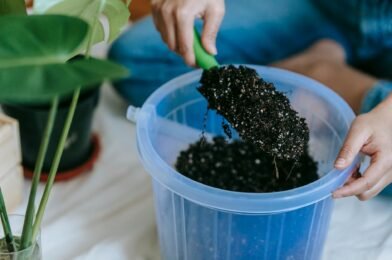
Many new gardeners underestimate the importance of soil quality. Using the right potting mix is crucial for the health of your plants. Garden soil is too dense and can lead to poor drainage in containers. Instead, opt for a high-quality potting mix, which is specifically designed to retain moisture yet allow for adequate drainage. Imagine trying to grow your precious tomatoes in mud; it just won’t work!

Don’t forget about drainage holes. Most containers should have them to prevent water from pooling at the bottom. If you’re using a non-draining container, like a decorative ceramic pot, consider placing a layer of gravel at the bottom to enhance drainage. At the end of the day, healthy roots lead to healthy plants—and healthy plants yield better produce or blooms. Have you checked if your containers have drainage holes yet?

Choosing the Right Plants

Now comes the exciting part: selecting the plants you want to grow. The options are truly endless! You can cultivate anything from hardy succulents and vibrant flowers to fresh herbs and even vegetables. If you’re a beginner, it’s best to start with easy-to-grow plants like basil, lettuce, or petunias. Picture yourself harvesting fresh basil for a homemade pesto—what a rewarding experience!

Consider your space and sunlight availability. Do you have a sunny patio that gets at least six hours of sunlight? Then tomatoes or peppers might thrive. On the other hand, if your patio is shaded, ferns or shade-loving flowers like impatiens will be more suitable. Here’s a fun fact: many herbs, like mint and parsley, can even thrive in partial shade! What kind of plants are you most excited to grow?

Watering Wisely

Watering your plants may seem straightforward, but there’s an art to it. Container plants often dry out faster than those in traditional gardens. Thus, regular monitoring of soil moisture is essential. A simple finger test—sticking your finger an inch into the soil—can help you determine if it’s time to water. If the soil feels dry at that depth, it’s time for a drink!

The key is to water thoroughly until you see excess water draining from the bottom of the pot. This ensures the roots are hydrated and prevents root rot. However, be cautious of over-watering, which can lead to fungal issues. Remember, just like you wouldn’t drown yourself in water, your plants don’t want to drown either. What watering methods have you tried in the past?

Fertilizing for Optimal Growth

Nutrients are vital for plant health, and container plants often deplete the soil of essential elements faster than plants in the ground. Incorporating a balanced, slow-release fertilizer into your potting mix is a fantastic way to ensure your plants receive consistent nourishment. It helps to think of fertilizer as food for your plants. Just like we need a balanced diet, so do they!

Some beginners might find it useful to use organic fertilizers, which are gentler on the plants and soil ecosystem. Additionally, liquid fertilizers applied every few weeks can provide an extra nutrient boost. Imagine seeing your plants flourish and bloom, all because you provided them with the right care. Are you ready to give your plants the nutritional support they need?

Maintaining Your Container Garden

Once your garden is planted and growing, maintenance is key to keeping it vibrant. Regularly check for pests and diseases, as containers can be prone to issues due to the confined space. Although some pests seem small, like aphids or spider mites, they can wreak havoc on your plants. If you spot trouble, don’t panic! A gentle wash with soap and water can often resolve minor infestations.

Incorporating companion planting can also be beneficial—not only does it deter pests, but it can enhance growth. For instance, planting marigolds alongside vegetables can deter harmful insects. And don’t forget about pruning! Regularly trimming back dead or wilted leaves not only improves aesthetics but encourages new growth. What’s your strategy for keeping your plants pest-free and thriving?

Harvesting and Enjoying Your Bounty

The thrill of container gardening culminates in the moment of harvest. Picture yourself plucking sun-ripened tomatoes or aromatic herbs from your patio garden. The satisfaction of enjoying fresh produce from your own efforts is unparalleled. Be sure to harvest at the right time—not too early, and not too late. For instance, herbs are best harvested in the morning after dew has dried but before the heat of the day sets in.

In summary, container gardening is an accessible and rewarding venture that opens up a world of possibilities, even in the tightest of spaces. From selecting the right containers to maintaining and harvesting your plants, every step is an opportunity to connect with nature and nourish your soul. So, what are you waiting for? Grab those pots, pick your plants, and start growing today! Feel free to share your progress or ask questions in the comments below. Happy gardening!