How to Grow Fresh Herbs on Your Kitchen Windowsill: A Comprehensive Guide
Imagine reaching for your favorite herbs while cooking, plucking them fresh from your windowsill. The aroma fills the air, adding that perfect touch to your dishes. Isn’t it time you transformed your kitchen into a mini-herb garden? Growing fresh herbs at home is not only rewarding but also incredibly easy. With just a little bit of effort, you can enjoy vibrant flavors every day.
Even if you have limited space, the kitchen windowsill provides an ideal environment for growing herbs. No matter where you live, whether in a bustling city or a serene countryside, this can be an enjoyable and straightforward project. So, how do you go about cultivating your own fresh herbs? Let’s explore what it takes to make your kitchen a flourishing herb haven.
Choosing the Right Herbs for Your Space
Not all herbs are created equal, especially when it comes to growing indoors. Popular options like basil, parsley, and chives thrive in window environments with adequate sunlight. But why is this so? Herbs are generally sun-loving plants, and the limited light from a window can influence their growth. Have you ever bought a bunch of herbs from the store, only to watch them wilt in a few days? Choosing the right herbs is the first step in ensuring a successful windowsill garden.
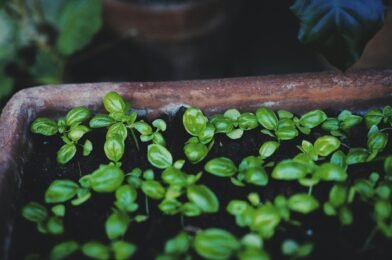
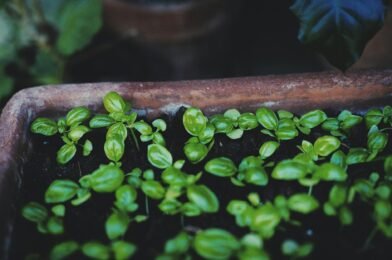
For beginners, basil is a fantastic choice. It’s forgiving and grows rapidly, making it perfect for those just starting their gardening journey. A friend of mine, who had never grown anything before, decided to start with basil. Within weeks, she was harvesting leaves to include in her pasta dishes! Imagine the satisfaction of knowing that your culinary creations are highlighted with fresh, homegrown ingredients.
Optimal Conditions for Herb Growth
Creating the right environment for your herbs is crucial. Most herbs need at least six hours of sunlight per day. Position your pots near a south-facing window for maximum exposure. If natural light is limited, consider using grow lights—these can often mimic the effects of sunlight and promote healthy growth. What’s your experience with indoor lighting? Have you ever tried using artificial lights to boost plant growth?
Additionally, proper airflow is essential. Herbs can suffer from dampness and mold if air circulation is poor. A windowsill often provides a good airflow balance, making it an ideal location. Just be sure to rotate your pots every few days. This simple act ensures all sides of the plant receive sunlight evenly, promoting a fuller and healthier growth.
Soil and Containers Matter
Choosing the right soil and containers can make a significant difference in your herb growing success. A well-draining potting mix is crucial; it prevents root rot and allows for moisture control. Look for soil that contains organic matter like compost or peat—this provides a nutrient-rich base for your herbs to thrive.
As for containers, ensure they come with drainage holes. If you’re using pots without holes, consider using pebbles at the bottom to help with drainage. I once saw a neighbor use mason jars for her herb garden, which not only looked charming but also kept the roots happy by allowing for adequate drainage. Have you ever seen unique containers that could enhance your indoor herb garden’s aesthetic?
Watering Wisely
Watering may seem straightforward, but it’s a delicate balance. Overwatering is a common mistake that can lead to unhappy plants. On the flip side, under-watering can leave them parched and stressed. The best approach is to check the moisture level regularly. Stick your finger about an inch into the soil; if it feels dry, it’s time to water. Remember, the goal is to keep the soil consistently moist but not soggy.
A friend of mine decided to try growing cilantro on her windowsill. She was overzealous and watered it daily, thinking more water meant faster growth. Unfortunately, she ended up with droopy, sad plants! After adjusting her watering routine, she was able to revive her cilantro, producing lush leaves in no time. What methods do you use to gauge how much to water your plants?
Harvesting and Enjoying Your Herbs
One of the most satisfying parts of growing your herbs is the harvest. But when is the right time to start snipping? It’s best to wait until your herbs are at least 6-8 inches tall before taking a few leaves. Always cut above a leaf node to encourage further growth. Also, remember that regular harvesting can stimulate bushier growth—you’ll find that the more you snip, the more robust your plants will become.
When you do harvest, think about how you can use your fresh herbs in your cooking. Basil can enhance a simple pasta sauce, while chives can elevate a homemade dip. A colleague of mine recently tossed fresh parsley into a salad, which brought a burst of freshness that store-bought herbs simply can’t replicate. How do you envision using your homegrown herbs in your everyday meals?
Moreover, if you find yourself with an abundance of herbs, consider drying or freezing them. This way, you can enjoy the fruits of your labor even when the growing season ends. Simply hang bundles of herbs upside down in a cool, dark place until they dry out completely. It’s a wonderful way to save your herbs for future culinary adventures!
The Joy of Gardening
At the end of the day, growing herbs on your kitchen windowsill isn’t just about having fresh ingredients; it’s about the joy and satisfaction of gardening. There’s something therapeutic about nurturing plants and watching them flourish. Whether you’re an experienced gardener or just starting, this small endeavor can spark a passion for cultivating life and sustainability.
So why wait? Grab some pots, soil, and seeds, and let your kitchen windowsill become a canvas for your culinary creativity. Your taste buds (and your friends) will thank you for the fresh flavors and beautiful greenery in your home. What herbs are you most excited to grow, and how do you plan to use them? Join the conversation and share your gardening journey!