Fall Gardening Tasks to Set Up a Great Next Season
As the vibrant greens of summer fade into the warm hues of fall, many gardeners face the temptation to put away their tools and call it a season. But here’s the thing: fall is not just about harvesting the last of the crops. It’s a crucial period that can set the stage for a flourishing garden come spring. Have you ever wondered why some gardens bloom with vigor while others struggle to regain their former glory? The answer often lies in the actions taken during the fall months.
Imagine walking through a neighbor’s garden, where flowers burst forth in riotous colors, and vegetables seem to thrive effortlessly. You might find yourself asking: “What is their secret?” The truth is, dedicated fall gardening tasks can make a world of difference. From soil preparation to planting cover crops, these tasks not only maintain your garden’s health but also enhance its productivity for the next growing season. Ready to dig in? Let’s explore the essential fall gardening tasks that can help set you up for a successful spring.
1. Clean Up the Garden Beds
One of the first steps in preparing your garden for the cold months ahead is cleaning up your garden beds. This involves removing dead plants, weeds, and debris, which can harbor pests and diseases. Take a moment to reminisce about that flourishing tomato plant that gave you so many fruits this summer. Now, as its remnants lie decaying, you realize it’s time to say goodbye.
Cleaning the garden also allows you to assess your beds for any necessary repairs or amendments. Did you notice any soil erosion in certain areas? Maybe some plants didn’t thrive as expected? These observations are golden opportunities for improvement. Rake away the debris, and consider adding a layer of compost to enrich the soil. At the end of the day, a tidy garden bed is the perfect starting point for your spring aspirations.
2. Prepare the Soil for Next Season
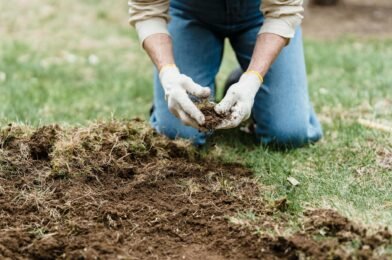
Let’s talk about the backbone of any garden: the soil. Healthy soil is rich in nutrients and has good structure, which allows plants to thrive. Fall is the ideal time to give your soil the attention it deserves. Why? Because soil amendments made in the fall have time to break down and integrate before planting begins in spring.
Consider conducting a soil test to determine its pH and nutrient levels. Based on the results, you can add lime, sulfur, or other soil amendments. For those who may not have tackled this before, adding organic matter—like well-rotted manure or compost—can vastly improve soil fertility. Picture your plants getting a nutrient boost the moment you plant them in spring. It’s remarkable how a little preparation can lead to abundant harvests.
3. Plant Cover Crops
Have you ever heard of cover crops? If not, you’re in for a treat. These crops, planted in the fall, serve a dual purpose: they protect your soil and improve its fertility. Popular choices include clover, rye, and vetch. They act like a natural blanket, preventing erosion and suppressing weeds during the colder months. Imagine putting your garden to bed with a lush green cover that will nourish it throughout winter.
As the cover crops grow, they work their magic by fixing nitrogen in the soil and improving its structure. In the spring, simply cut them back and incorporate them into the soil. It’s one of those little-known secrets that can dramatically enhance the health of your garden. So, after the last leaf falls, don’t just sit back—plant cover crops and let nature do the heavy lifting.
4. Mulch for Protection
As temperatures drop, mulching becomes a gardener’s best friend. A proper layer of mulch can protect your plants from harsh winter conditions, regulate soil temperature, and retain moisture. Think about those chilly nights when frost threatens your tender perennials. A thick layer of organic mulch, like shredded leaves or straw, can act as insulation, shielding the roots and preserving soil life.
Applying mulch isn’t merely a chore; it’s an art. The key is to apply it at the right time—before the ground freezes. You’ll not only be extending the growing season for certain plants but also making your spring tasks easier. Less weeding? Count me in! So gather those autumn leaves and spread them generously across your garden beds.
5. Plan for Next Year’s Garden
What’s next for your garden? As you put your garden to rest, it’s the perfect time to dream about next year’s layout. Grab a notebook and jot down what worked and what didn’t. Maybe those zucchinis took over the world—again! Or perhaps you finally nailed that carrot-growing technique. Evaluating your successes and failures is key to future growth.
Consider rotating your crops to prevent soil depletion and pest buildup. For instance, if you grew tomatoes in a certain area this year, think about planting legumes next season. They will replenish the nitrogen in the soil and keep your garden thriving. So, as the leaves fall, let your ideas for next year’s garden rise. Planning now will undoubtedly save you time and effort when spring arrives.
6. Take Inventory of Your Tools and Supplies
Lastly, let’s not overlook your gardening tools. After a bustling season, they deserve some TLC too. Have you ever reached for a tool only to find it rusty or broken? That reality can be frustrating when there’s work to be done. Fall is the perfect time to take inventory of your tools, clean them up, and make any necessary replacements.
Storing your tools properly can extend their life significantly. After cleaning, consider oiling moving parts, sharpening blades, and storing them in a dry place to prevent rust. This not only prepares you for the next season but also enhances your gardening experience. Good tools make all the difference, creating a seamless flow from idea to execution. So, as you clean and prepare, remember: a gardener is only as good as their tools.
Fall gardening tasks can feel like a lot of work, but the rewards are well worth the effort. Your dedicated actions now will lead to a flourishing garden when spring rolls around. So, what will you choose to focus on first? Cleaning, soil prep, or perhaps planting cover crops? Share your fall gardening plans below and let’s inspire each other for the next growing season!