Growing Roses for Beginners: Simple Secrets for Big Blooms

Growing Roses for Beginners: Simple Secrets for Big Blooms

Have you ever gazed longingly at a neighbor’s garden, captivated by the vibrant colors and enchanting fragrance of their roses? You’re not alone! Many aspiring gardeners dream of cultivating these timeless flowers but often feel overwhelmed by the thought. The truth is, growing roses can be surprisingly easy when you know a few simple secrets.

Imagine stepping outside, greeted by the delightful sight of blossoming roses in every hue imaginable. Sounds like paradise, right? Well, the good news is that you can create this scenario in your own backyard. With just a bit of guidance, you’ll soon discover that nurturing these beauties is not just rewarding, but also a fulfilling adventure.

Choosing the Right Rose Variety

Before you even touch the soil, let’s talk about one of the most critical steps in rose gardening: selecting the right variety. There are countless types of roses, each with its unique charm and growth requirements. For beginners, hybrid teas and floribundas are excellent choices as they are often hardier and easier to care for. Imagine the excitement of watching a hybrid tea bloom with its iconic single, large blooms that are perfect for cutting and displaying in your home!

Consider this: if you’re short on space, mini roses could be the perfect fit. These charming little plants thrive in containers and bring a pop of color to patios or balconies. A friend of mine recently planted a mini rose bush on her apartment balcony, and it sparked joy not just for her, but for all her neighbors who stopped to admire it. What roses are you thinking of growing?

Understanding Soil and Location

Now that you’ve chosen the perfect variety, let’s dig into the next crucial aspect: soil and location. Roses thrive in well-drained, nutrient-rich soil. Many gardeners make the mistake of planting in heavy clay or overly sandy soil, leading to poor growth. A soil test kit can help determine the pH and nutrient levels, allowing you to amend it accordingly.

Moreover, roses bask in the glory of sunlight. For optimal blooms, place your roses in a spot that receives at least six hours of sunlight each day. I remember when I planted my first rose bush in a shady corner; it struggled and barely produced any flowers. After moving it to a sunnier location, the transformation was astonishing! Suddenly, I was rewarded with lush, fragrant blooms. Have you assessed your garden’s sunlight exposure?

Watering Wisely

Watering might seem simple, but it’s essential for your rose garden’s success. Overwatering is often the biggest mistake beginners make. Roses prefer deep but infrequent watering. Ideally, give them about an inch of water each week, allowing the soil to dry out slightly between waterings. This practice encourages deep root growth, which is crucial for health and resilience.

A practical strategy is to water early in the morning. This not only helps reduce evaporation but also allows the leaves to dry quickly, minimizing the risk of fungal diseases. I recall the first summer I gardened—I watered in the evening, only to find my plants battling mildew. Trust me; morning watering makes a world of difference. What watering routine do you think would work best for your roses?

Fertilizing for Flourishing Blooms

To achieve those stunning blooms, fertilization is vital. Roses are heavy feeders, meaning they require plenty of nutrients to thrive and produce flowers generously. Using a balanced fertilizer specifically formulated for roses can significantly enhance their blooming capabilities. A slow-release fertilizer applied in spring will provide your plants with the nutrients they need to grow strong throughout the season.

But here’s the catch: over-fertilizing can be just as detrimental as under-fertilizing. A friend of mine, eager for abundant flowers, went a bit overboard with the fertilizer. The result? Beautiful foliage, but hardly any blooms! Finding the right balance is key. Pay attention to your plants, and they will guide you. What type of fertilizer do you currently use for your plants?

Pruning and Maintenance

Many beginners shy away from pruning, fearing they might harm their roses. However, pruning is crucial for healthy growth and vibrant blooms. Taking time in late winter or early spring to prune your roses will help shape the plants and encourage new growth. Focus on removing dead or weak stems, which allows the plant to direct its energy toward producing beautiful flowers.

I once met a seasoned gardener who taught me the importance of making clean cuts at a 45-degree angle, just above a bud. This technique improves airflow and reduces disease risk. Moreover, regular deadheading—removing spent blooms—promotes continuous blooming throughout the season. It’s a simple yet effective way to keep your garden looking fresh. Have you considered adding pruning to your gardening routine?

Protecting Your Roses from Pests and Diseases

As enchanting as roses are, they can attract pests and diseases. Aphids, spider mites, and powdery mildew can wreak havoc on your plants if you don’t stay vigilant. The first line of defense is to regularly inspect your roses. Spotting issues early can save your plants from further damage. If you notice pests, a gentle spray of water can dislodge them, or you might choose to introduce beneficial insects like ladybugs to your garden.

Additionally, maintaining good air circulation by spacing out your plants helps prevent diseases. My neighbor, for instance, faced a losing battle with powdery mildew until she realized that overcrowding was the culprit. Once she thinned out her roses, they flourished beautifully. What preventative measures do you take to protect your garden?

Enjoying the Fruits of Your Labor

Once you’ve laid the groundwork by selecting the right roses, nurturing them with care, and protecting them from pests, it’s time to sit back and enjoy the beauty you’ve created. Picture yourself sipping your morning coffee surrounded by the vibrant colors and intoxicating scents of your flourishing rose garden. It’s not just about growing flowers; it’s about cultivating a serene space that brings joy.

Consider picking your blooms and bringing them indoors. A vase filled with fresh roses can brighten up any room and fill your home with their delightful fragrance. It’s a wonderful way to enjoy the fruits of your labor while sharing the beauty with family and friends. So, are you ready to embark on your rose-growing journey?

With a bit of passion and these simple secrets, the rose garden of your dreams is within reach. Dive into the world of roses, and let your creativity blossom! Whether you’re a novice or a seasoned gardener, every rose nurtured adds beauty to the world. Do you have any questions or tips to share? Drop them in the comments below, and let’s cultivate this passion together!
Low-Maintenance Flowers Perfect for Lazy Gardeners

Low-Maintenance Flowers Perfect for Lazy Gardeners

Imagine stepping into your garden, greeted by a vibrant array of flowers, each blooming effortlessly. You don’t need to be a horticultural guru to achieve this; you just need the right plants. For those of us who appreciate the beauty of a garden but lack the time or energy for rigorous upkeep, low-maintenance flowers are a godsend. But what exactly makes these varieties easy to care for, and which ones are the best options?

Here’s the truth: gardening shouldn’t feel like a chore. With the right selection of flowers, you can enjoy a flourishing garden while spending minimal time on maintenance. Whether you’re a busy professional, a parent juggling multiple responsibilities, or simply someone who prefers to relax in their garden rather than toil away in it, there’s a beautiful solution waiting for you. Let’s dive into the world of low-maintenance flowers that will keep your garden looking spectacular without demanding too much from you.

1. Daylilies: Colorful Resilience

Daylilies are a favorite among lazy gardeners, and for good reason! These resilient perennials can flourish in a variety of soil conditions, thriving even in less-than-ideal environments. They come in an array of colors and sizes, making it easy to find the perfect match for your garden aesthetic. Planting them is a breeze—just dig a hole, place the roots in, and cover them with soil. Once established, daylilies can thrive with minimal watering and will provide a stunning display year after year.

Consider this scenario: a neighbor once shared how they planted daylilies in a neglected corner of their yard. With little effort, those flowers transformed that spot into a burst of color that stunned everyone who passed by. The best part? They hardly watered them after the initial growing season. Without a doubt, daylilies demonstrate that you can achieve striking results without dedicating your life to gardening.

2. Sedum: A Succulent Surprise

When it comes to low-maintenance plants, sedum deserves a top spot on your list. These hardy succulents thrive on neglect and can grow in poor soil and dry conditions. Available in various textures and colors, sedum can create stunning ground covers or vibrant container arrangements. The beauty of sedum is that it requires little water and virtually no fertilization, making them ideal for the gardener who prefers a hands-off approach.

Here’s the thing: I remember a friend who transformed her balcony into a breathtaking oasis using various sedum species. She didn’t have a green thumb, but with minimal effort and occasional watering, her balcony became the envy of the neighborhood. Sedum is a testament that even the busiest of lifestyles can yield beautiful floral displays without breaking a sweat.

3. Coneflowers: Nature’s Tough Beauty

Coneflowers, or echinacea, are not only stunning but also incredibly resilient. These perennial flowers can survive drought and do well in poor soil, making them a perfect choice for the lazy gardener. They bloom from early summer until fall, attracting butterflies and bees, which adds life to your garden. With a variety of vibrant colors available, these flowers are both pleasing to the eye and beneficial for the environment.

What most people miss is that coneflowers are also medicinal! A neighbor of mine once brewed a tea from their coneflower petals, claiming it helped to boost their immune system. The ease of growing these beauties combined with their practical uses makes them an excellent choice. You plant them once, and they continue to bloom year after year with little help from you.

4. Lavender: Aroma Meets Simplicity

If you’re looking to add both beauty and fragrance to your garden, lavender is the way to go. This perennial plant thrives in sunny spots and well-drained soil, requiring very little watering once established. The stunning purple flowers not only look beautiful but also attract pollinators like bees and butterflies, creating a lively garden ecosystem. Plus, lavender is known for its calming aroma, making it a lovely addition to any outdoor space.

Picture a summer evening spent in your garden, the air filled with the soothing scent of lavender. A friend of mine planted several lavender bushes in her backyard with almost no care. She told me that the neighbors complimented her for the lovely smell wafting through the air while she did nothing but enjoy her evenings outside. Lavender is a perfect example of how a little planning can lead to significant rewards without the effort.

5. Black-Eyed Susans: Cheerful and Carefree

Black-eyed Susans are often considered the classic low-maintenance flower. Their bright yellow petals and dark centers provide a cheerful pop of color to any garden. These hardy flowers thrive in various conditions and can easily adapt to poor soil and drought. Once established, they require minimal care and will self-seed, meaning you’ll enjoy their beauty for years without replanting.

Do you remember those carefree summers filled with wildflowers? That’s the vibe black-eyed Susans bring to any space. A family member of mine planted a patch of these flowers in her backyard, and they quickly became the highlight of her summer garden. They may be low-maintenance, but their vibrant charm can elevate the entire landscape without demanding you invest hours each week in upkeep.

Creating Your Low-Maintenance Garden

Integrating low-maintenance flowers into your garden is more than just choosing the right plants. It’s about envisioning a space that requires minimal effort while providing maximum beauty. Start by selecting a few varieties mentioned above, and consider grouping them based on their sun and water needs. This not only makes your garden more visually appealing but also simplifies your watering schedule.

Another essential tip is to prepare your garden well by improving soil drainage and mulch application. By doing this, you can minimize weeds and retain moisture, reducing the time spent tending to your garden. Think about adding decorative stones or gravel around your flowers; this not only creates a clean aesthetic but also helps with water retention. What could be easier?

In the end, low-maintenance flowers are perfect for those of us who want a stunning garden without the arduous work. Whether you choose daylilies, sedum, coneflowers, lavender, or black-eyed Susans, you can create a vibrant outdoor space with ease. So why not give these hardworking beauties a try? Comment below to share your favorite low-maintenance flowers or ask any questions you may have about starting your relaxing garden journey!

How to Grow Sunflowers From Seed to Bloom

How to Grow Sunflowers From Seed to Bloom: A Step-by-Step Guide

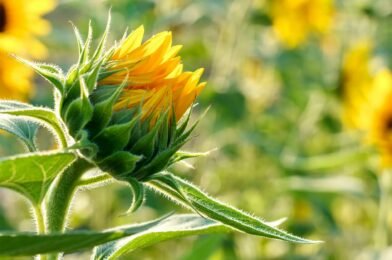
Imagine waking up to a backyard bursting with golden sunflowers, their cheerful faces turning toward the sun. Isn’t that a sight to behold? These vibrant flowers are not just stunning; they also attract pollinators and add a sprinkle of joy to any garden. But how do you move from the first tiny seed to a towering, blooming sunflower? The journey is not just rewarding; it’s also simpler than you might think!

What’s fascinating about sunflowers is their resilience. They can thrive in a variety of conditions and are known for growing quickly, often reaching impressive heights in just a few months. Whether you’re an experienced gardener or just starting your green-thumb journey, growing sunflowers is an enriching experience. Let’s explore the steps from planting seeds to enjoying their full bloom.

Choosing the Right Seeds and Variety

Before diving into the planting process, it’s essential to select the right seeds. With numerous sunflower varieties available, you have options ranging from the classic tall giants to charming dwarf types perfect for borders. For instance, the “Mammoth Grey Stripe” can grow up to 12 feet tall, while “Little Becka” reaches only about 18 inches. Here’s the deal: if you have limited space, opt for dwarf varieties. They’re not only beautiful but also manageable.

Additionally, consider your climate. Some sunflowers prefer cooler temperatures while others thrive in the heat. Make sure to check your local gardening center for seeds that suit your area. I remember my first gardening adventure—a mix of tall and dwarf sunflowers filled my yard, and it became a community favorite, thanks to its delightful variety and height differences!

Preparing the Soil for Planting

Strong roots lead to stunning blooms. The soil is where it all begins! Sunflowers flourish in well-drained, nutrient-rich soil with a pH of 6.0 to 7.5. Start by clearing the area of weeds and debris. A good rule of thumb is to loosen the soil to a depth of about 2 feet. This technique helps the roots grow deep and strong.

Adding organic matter, like compost, enhances soil fertility. You might consider a soil test to check nutrient levels, especially if you want the best possible blooms. When I prepared my garden bed, the transformation was incredible. Just a few adjustments in the soil quality led to an explosion of color and health in my sunflowers. It’s all about that initial preparation!

Planting Your Seeds

Now comes the fun part: planting! The best time to sow sunflower seeds is in late spring when the soil temperature reaches around 70°F (21°C). Space your seeds about 6 inches apart, and plant them at a depth of 1 to 2 inches. If you’re planting multiple rows, ensure each row is at least 2 feet apart to provide ample room for growth and sunlight.

Here’s a pro tip: planting in clusters can create a stunning visual impact. For example, when I planted groups of three seeds in a tight circle, the resulting blooms were a breathtaking sight, resembling a radiant sun. Remember to water your seeds gently after planting—they’ll need that hydration to kickstart germination!

Watering and Care for Healthy Growth

Watering is crucial in the early stages of growth. After planting, keep the soil consistently moist but not soggy. As your sunflowers grow, they’ll need about 1 to 1.5 inches of water each week. What’s your watering strategy? I’ve found that an early morning watering routine allows the plants to soak up moisture before the heat of the day.

In addition to watering, monitor for pests like aphids and caterpillars. If you notice any invaders, treating them with a mild soap solution is often effective. One summer, I discovered a small colony of aphids on my sunflowers, and a simple spray saved the day! Regularly inspecting your plants can keep them healthy and vibrant.

Supporting Growth and Preventing Fall

As your sunflowers begin to reach for the sky, they may require some support, especially the taller varieties. Using stakes can help prevent them from leaning or falling over during windy weather. It’s a small step that can make a significant difference in keeping your blooms upright and healthy.

Additionally, consider mulching around the base of the plants. Mulch helps retain moisture, suppress weeds, and regulate soil temperature. I remember a particularly windy season when my sunflowers stood tall, thanks to the extra care I took with staking and mulching. They not only survived but thrived!

Harvesting and Enjoying the Blooms

After weeks of nurturing, the moment of truth arrives—the blooming! Sunflowers typically bloom about 70 to 100 days after planting, depending on the variety. You’ll know they’re ready when the petals are fully open and the backs of the heads turn yellow. If you plan to harvest seeds, wait until the backs of the heads are brown and dry.

When it’s time for harvesting, use sharp pruners and cut the flowers early in the morning. You can arrange them in a beautiful vase or dry them for seeds. I remember the joy of collecting seeds from my first sunflower harvest. It felt like a celebration of nature’s beauty and a promise of more blooms in the future.

Creating a Sunflower Garden Experience

Why not invite friends and family to share in the sunflower experience? Consider hosting a sunflower planting day or a harvest party. Kids especially love the excitement of planting seeds and watching them grow. Plus, a sunflower garden can become a wonderful backdrop for photos and memories.

At the end of the day, sunflowers are more than just flowers; they symbolize happiness and positivity. So, gather your loved ones, get your hands dirty, and enjoy the simple pleasures of gardening together. What more could you ask for?

In a world filled with challenges, growing sunflowers offers a slice of joy and beauty. So, are you ready to embark on this sunflower journey? I’d love to hear about your experiences growing these delightful flowers. Share your thoughts in the comments below or let me know if you have any questions!

Best Flowers to Grow for a Colorful Garden All Year

Best Flowers to Grow for a Colorful Garden All Year

Have you ever stepped into a garden bursting with vibrant colors and fragrant blooms, only to feel an overwhelming sense of joy? Imagine having that kaleidoscope of nature’s beauty right in your backyard, all year long. The truth is, with careful planning and a bit of know-how, you can cultivate flowers that not only thrive in every season but also transform your outdoor space into a stunning masterpiece.

What most people miss when planting their garden is understanding the importance of seasonal variety. It’s not just about the flowers you choose, but also about when they bloom. While spring is often associated with vibrant colors, fall and winter can surprise you with their own unique beauty. Let’s explore some of the best flowers to grow in your garden to ensure it remains a colorful sanctuary throughout the year.

Spring Blooms: Welcoming the Season

Spring is the season of rebirth, and the flowers that herald its arrival can infuse your garden with a fresh burst of color. Tulips, with their striking array of hues, can be found in nearly every color imaginable. Plant them in clumps for a breathtaking display. I remember the first time I planted tulips; watching them emerge from the soil felt like witnessing a miracle. Adding daffodils to the mix creates a cheerful contrast, their sunny yellow heads bobbing in the breeze.

Another spring favorite is the hyacinth. With their intoxicating scent and vibrant colors, these flowers are not just pretty but also fragrant. Imagine walking through your garden and being enveloped by their delightful aroma. To make the most of your spring garden, consider planting a mix of these flowers. Your spring garden can become a symphony of colors and scents that beckons you outdoors.

Summer Splendor: A Fiesta of Color

As the summer sun blazes, it inspires a riot of colors in the garden. Sunflowers stand tall, their cheerful faces turned toward the sun, creating an uplifting atmosphere. They’re easy to grow and can reach impressive heights. One summer, I planted a row of sunflowers that seemed to dance in the wind, their golden petals a dazzling sight against the blue sky.

Also, consider incorporating zinnias into your summer garden. They are hardy, drought-resistant, and available in an astonishing array of colors. What’s more, they attract butterflies and bees, bringing life to your garden. A mix of sunflowers and zinnias can create a vibrant and dynamic summer landscape that beckons you to relax in its beauty.

Autumn Charms: Embracing the Change

As summer fades into fall, your garden doesn’t have to lose its charm. Instead, it’s a time to showcase flowers that embrace the warm tones of autumn. Asters are perfect for this season, producing star-shaped blooms in shades of purple and pink. They not only add color but also extend the blooming season into the cooler months. I once planted asters alongside some goldenrod, and the combination illuminated my garden like a sunset.

Chrysanthemums, or mums, are another autumn staple. Available in a variety of shapes and colors, they are the quintessential fall flower. Their durability and longevity mean they can withstand cooler temperatures while still putting on a colorful display. Try mixing different varieties to create a layered look that complements the changing leaves of the trees.

Winter Wonders: The Hidden Gems

Winter may seem like a barren time for gardens, but there are flowers that can defy the cold and bring cheer to the bleakest months. Pansies, for example, are hardy little flowers that can bloom in the winter if planted correctly. With their charming faces, they can bring a touch of color to the winter landscape. I’ve had pansies survive in my garden, popping up even through the snow, reminding me that spring will come again.

Cyclamen is another winter gem. Their beautiful pink and white flowers combined with heart-shaped leaves make them perfect for winter gardens. These flowers thrive in mild winter climates and can bloom well into early spring, ensuring your garden remains vibrant during the colder months.

Mixing and Matching: The Art of Flower Combinations

Creating a colorful garden year-round isn’t just about choosing individual flowers; it’s also about how you combine them. Layering flowers with different heights, colors, and blooming seasons can create visual interest. For instance, pairing tulips and daffodils in spring can offer a beautiful contrast, while zinnias and sunflowers can create a lively summer scene.

Don’t forget about foliage too! Incorporating plants with varying textures and shades of green will enhance the overall aesthetic of your garden. Think about how your flowers will interact with one another, and plan your combinations carefully. A well-thought-out arrangement can make your garden a feast for the senses.

At the end of the day, growing flowers year-round is about passion and patience. What are some of your favorite flowers to grow? Have you had any memorable experiences in your garden that you’d like to share? A colorful garden awaits you, filled with blooms that tell your unique story.

Embrace the beauty of flowers throughout the seasons, and let your garden become a canvas of color and life. Whether you’re a seasoned gardener or just starting, there’s always a new flower to discover and grow. Share your thoughts in the comments below, and let’s celebrate the joy flowers bring to our lives!