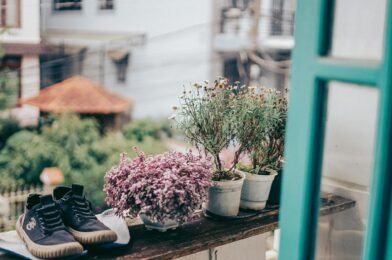
Small Balcony Garden Ideas Anyone Can Try

Small Balcony Garden Ideas Anyone Can Try

Have you ever looked out at your balcony and thought it was just a cramped space with no potential? You’re not alone! Many city dwellers grapple with the challenge of limited outdoor space, which often leads to a lost opportunity for greenery and life. But here’s the exciting part: even the smallest balconies can transform into lush gardens bursting with color and personality. Believe it or not, you can create a thriving balcony garden with just a bit of creativity and the right plants.

Picture this: coming home after a long day to a serene oasis right outside your door. The aroma of fresh herbs fills the air, and colorful blooms brighten your evenings. With the right small balcony garden ideas, you can turn that dream into reality. All you need is a willingness to explore new gardening techniques, a bit of planning, and a few containers to get started. So, are you ready to embrace your balcony as a vibrant extension of your home?

Vertical Gardening: Maximize Your Space

If space is tight, vertical gardening might be your best friend. Imagine a wall covered with cascading plants, bringing life to your balcony without taking up valuable floor space. Using shelves or wall-mounted planters, you can create a stunning visual effect. For example, a friend of mine transformed her narrow balcony by installing wooden trellises adorned with climbing plants like sweet peas and morning glories. The result? A breathtaking green backdrop that even attracted butterflies!

Another idea is to use hanging pots. They not only save space but also add depth to your garden. You can hang them in a staggered manner for a cascading effect or cluster them for a bold statement. Plus, consider planting herbs like basil, mint, and thyme in these containers. Not only do they look great, but they also provide fresh ingredients for your culinary adventures. What’s better than snipping fresh herbs right from your balcony for a home-cooked meal?

Container Choices: Think Outside the Box

When it comes to container gardening, your options are nearly endless. While traditional pots are a staple, innovative ideas can spark your creativity. Consider using recycled materials—old wooden crates, tin cans, or even an unused ladder repurposed into a plant stand. These unique choices not only add charm but also tell a story and reflect your personality.

Just last summer, I attended a neighborhood garden tour where one home featured an eclectic mix of colorful metal buckets filled with geraniums and petunias. It was a joyful explosion of color that made a lasting impression. This type of playful container gardening can make your balcony feel vibrant and inviting. Plus, don’t forget to choose containers that suit your plants’ needs. Drainage is key; ensure your containers have holes in the bottom to prevent waterlogging.

Choosing the Right Plants for Small Spaces

Not all plants are created equal when it comes to small balcony gardens. Some thrive in confined spaces while others might overwhelm your area. For a successful garden, think about compact varieties that won’t outgrow their containers. Herbs, dwarf vegetables, and flowering annuals are excellent choices. For instance, cherry tomatoes can flourish in pots if you choose smaller varieties like ‘Tiny Tim’ or ‘Patio Princess.’

Moreover, look for plants that bring beauty and function into one package. Ornamental peppers, for example, are not only colorful but can also add a spicy kick to your meals. My neighbor once planted a combo of lavender and rosemary, creating a fragrant haven that was both beautiful and useful for her cooking. As you select your plants, be mindful of their sunlight needs. Do you have a sunny or shady balcony? Understanding this will guide you in making the right choices.

Seasonal Gardening: Keep It Fresh Year-Round

What if I told you that you can enjoy your balcony garden in every season? The truth is, with some strategic planning, you can have blooming flowers, fresh vegetables, and fragrant herbs year-round. Start by selecting seasonal plants. In spring, plant pansies or snapdragons for vibrant color. During summer, let your tomatoes, peppers, and cucumbers shine. As fall approaches, consider planting kale or ornamental cabbages to keep the interest alive.

Don’t forget winter! Many people overlook the potential of winter gardening, but you can still grow hardy plants like winter jasmine or even certain types of herbs. A friend of mine keeps a small herb garden going through the winter using a simple mini greenhouse. This creative approach not only provides fresh ingredients for winter meals but also brightens up those dreary months. So, have you thought about how you can keep your garden thriving through every season?

Creating a Relaxing Atmosphere

At the end of a busy day, your balcony should be a sanctuary. Beyond just plants, think about creating a cozy atmosphere. Consider adding comfortable seating, soft lighting, and decorative elements like garden art or string lights. This will not only enhance the visual appeal but also make your space inviting for relaxation or entertaining friends. A simple folding chair and a small side table can work wonders.

For instance, last summer, I enjoyed several evenings on my friend’s balcony, complete with fairy lights and comfortable cushions. They had transformed a simple space into a charming retreat, making it the perfect spot for summer gatherings. Don’t underestimate the power of ambiance! By incorporating elements that reflect your style, you’ll create a personal oasis right outside your door.

Conclusion: Start Your Balcony Transformation Today!

Your small balcony is brimming with potential, waiting for you to unleash your creativity. By incorporating vertical gardening, choosing the right containers, and selecting plants that suit your space, you can create a garden that not only beautifies your home but also enriches your life. So why wait? Start planning your balcony garden today! Have you tried any of these ideas, or do you have your unique approach? Share your thoughts in the comments below!

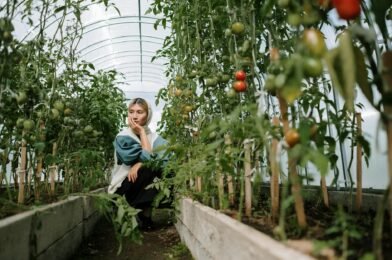
How to Choose the Right Pot Size for Every Plant

How to Choose the Right Pot Size for Every Plant

Have you ever planted a beautiful flower only to watch its growth stunted by a pot that was either too small or, conversely, too large? It’s a frustrating reality for many gardeners, and understanding the importance of choosing the right pot size for each plant is crucial for successful container gardening. The truth is, the pot you select can greatly influence your plant’s health, growth rate, and overall aesthetic appeal. But how do you ensure you’re making the right choice?

Let’s explore the key factors to consider when selecting pot sizes, delve into specific plant needs, and help you make informed decisions that will keep your green companions thriving. Whether you’re a seasoned gardener looking to refresh your container setup or a beginner eager to avoid common pitfalls, this guide will equip you with the knowledge you need.

Understanding Plant Needs

Every plant has its own unique requirements when it comes to space, drainage, and root development. For instance, a small herb like basil thrives in a petite pot that allows its roots to breathe while maintaining adequate moisture. On the other hand, a larger plant such as a tomato requires a more significant amount of space for its roots to spread out and access nutrients effectively. Here’s the thing: if you underestimate the needs of your plants, you risk stunting their growth and possibly harming them in the long run.

Consider this scenario: a friend of mine decided to plant some succulents in tiny pots she found at a quirky art store. Initially, they looked adorable on her windowsill. However, after a few weeks, the plants started to droop. The lesson? Succulents need adequate room to grow; cramped conditions can lead to root rot. Assessing the specific growth patterns and space needs of each plant type is vital for a flourishing garden.

Choosing the Right Pot Size

When it comes to choosing the right pot size, a general rule of thumb is to go one size up from where the plant currently resides. For example, if your plant is in a 4-inch pot, consider moving it to a 6-inch pot. This allows enough room for the roots to spread without overwhelming the plant with excess space. But here’s the catch: too large a pot can lead to overwatering, as the soil may retain moisture much longer than the roots can utilize. Balance is key.

Additionally, consider the height of the pot. A deeper pot is beneficial for plants with extensive root systems, like carrots or lilies. Conversely, shallow-rooted plants, such as lettuce or herbs, will flourish in more shallow containers. It’s all about understanding your plant’s specific needs and providing the right environment for growth.

Drainage Matters

Let’s talk about drainage, an often-overlooked aspect of container gardening. No matter how perfect your pot is in size, poor drainage can lead to disastrous consequences. Plants like peace lilies enjoy moisture but can quickly suffer if their roots sit in soggy soil. Always ensure your pots have drainage holes, and elevate the pot slightly off the ground if necessary, allowing excess water to escape freely.

Don’t just trust the pot’s material; make sure it’s suitable for the plant. Terracotta pots, for example, are great for porousness and allow moisture to evaporate, thus preventing overwatering. When I started using terracotta pots for my indoor ferns, they flourished in ways I had never seen before. It was a game-changer. So, consider how your pot’s material affects moisture retention and drainage.

Visual Aesthetics and Space

While functionality is paramount, let’s not forget about aesthetics. The visual appeal of your garden matters, especially if it’s displayed prominently in your living space. Size does matter in this context as well. For example, a massive pot brimming with a single plant can create an eye-catching statement piece, while smaller pots can provide a lovely clustered effect. However, ensure that the size complements the space you’re working with. A giant planter in a cramped corner or a tiny pot on an expansive shelf can look out of place.

Your plant’s visual impact also depends on its growth habit. Tall, spindly plants like snake plants may require taller pots to balance their height, while bushier plants like petunias look lovely in wider, shallower pots. Think about how the size will enhance the overall aesthetic of your container garden.

Experimentation is Key

Container gardening is as much an art as it is a science, and sometimes the best way to figure out the right pot size is through experimentation. Start with a few different sizes and observe how your plants respond. Take notes on their growth patterns, changes in color, and overall health. You might be surprised by what works best for your specific conditions.

For instance, I once planted a small rubber tree in a pot that was one size too large. The plant struggled for months, and it wasn’t until I switched it to a smaller pot that it began to thrive. Observing and learning from each experience will not only enhance your gardening skills but also create a more engaging and interactive gardening journey.

Conclusion: Time to Get Planting!

Selecting the right pot size for every plant is not just about aesthetics; it’s crucial for their health and growth. By understanding plant needs, ensuring proper drainage, and considering visual appeal, you can create a thriving container garden. So, what pot sizes will you choose for your plants? Share your thoughts and experiences with pot sizes in the comments below or ask any questions you may have. Let’s cultivate a green thumb together!

Best Vegetables to Grow in Containers and Pots

Discover the Best Vegetables to Grow in Containers and Pots

Have you ever dreamed of a lush garden but felt limited by space? You’re not alone. Many urban dwellers and those with small yards are turning to container gardening as a viable solution. The good news is that you don’t have to compromise on variety or nutrition. You can grow a diverse range of vegetables right on your balcony or porch. But which vegetables truly thrive in pots? Let’s dive into some of the best options that will make your container garden flourish.

Container gardening offers an array of benefits. It’s not just about beautifying your space; it’s a practical way to cultivate fresh produce without the constraints of traditional gardening. The truth is, with the right selection of vegetables, you can enjoy a bountiful harvest even in a small area. But before you get started, let’s explore the best vegetables that are perfectly suited for containers, ensuring you have a productive and enjoyable gardening experience.

1. Tomatoes: The Container Superstar

When it comes to container gardening, tomatoes reign supreme. Why? They are versatile, delicious, and incredibly rewarding to grow. Imagine stepping outside and plucking a sun-ripened tomato for your salads or sandwiches. There are countless varieties, from cherry tomatoes to beefsteak, which means you can select based on your taste preferences. A real-life example: my neighbor, who grows Sweet 100 cherry tomatoes in hanging pots, enjoys a steady supply of delicious snacks throughout the summer. There’s nothing quite like the burst of flavor you get from homegrown tomatoes.

For best results, use a large pot—at least 5 gallons—to accommodate their root systems. Make sure to provide ample sunlight and water consistently to keep the plants healthy. With a little care, your container can produce an abundance of juicy tomatoes, making them one of the best vegetables to grow in pots.

2. Bell Peppers: Vibrant and Flavorful

Bell peppers are another fantastic choice for container gardening. They not only add a pop of color to your garden but also pack a nutritional punch. Just think about it: fresh, home-grown bell peppers in your stir-fry or salads bring unparalleled flavor and texture. A friend of mine swears by her container-grown yellow bell peppers, claiming they taste sweeter than any store-bought variety.

For growing bell peppers in containers, opt for pots that are at least 3 to 5 gallons in size. Plant them in nutrient-rich potting soil and place them in a sunny spot. They thrive in warm weather, so ensure that nighttime temperatures stay above 50°F. You’ll be thrilled with the results—vibrant, crunchy peppers that are just waiting to be harvested.

3. Leafy Greens: Quick and Easy Harvests

When you think of container gardening, don’t overlook leafy greens. Varieties like lettuce, spinach, and kale grow remarkably well in pots and can provide ongoing harvests throughout the seasons. What most people miss is that leafy greens are not only fast-growing but also packed with vitamins. Imagine munching on fresh kale in your smoothies or whipping up a vibrant salad with your homegrown lettuce.

For leafy greens, choose a shallow container that is at least 6 to 8 inches deep. This allows for adequate root development. A wonderful anecdote to illustrate this: during the pandemic, a friend turned her balcony into a mini garden filled with different types of lettuce. She enjoyed fresh salads multiple times a week, and it quickly became a delightful ritual amid the uncertainty of those times.

4. Radishes: The Fast Track Vegetable

Radishes are the ultimate fast-track vegetable for container gardening. They mature in as little as three weeks, making them a great choice for impatient gardeners. Here’s the thing: not only are they quick to grow, but they also have a unique crunch and a peppery flavor that can elevate your dishes.

Plant radishes in a container that is at least 12 inches deep. They require loose soil for their roots to expand properly. When you grow radishes, the excitement of watching them sprout is unparalleled. Imagine checking your pots and seeing those vibrant red tops peeking through the soil, signaling that they are ready to be harvested. It’s a delightful experience that will keep you motivated to continue your gardening journey.

5. Herbs: The Perfect Companion Plants

While technically not vegetables, herbs are essential for any container garden. They not only add flavor to your meals but also grow beautifully alongside your vegetable plants. Basil, parsley, and cilantro are top choices that flourish in pots. Imagine the aroma of fresh basil wafting through your kitchen as you prepare a homemade pasta sauce—it’s a game changer.

Growing herbs in containers is simple. Use pots with good drainage and choose a sunny location. To make the most of your herb garden, consider mixing different varieties in one pot. For instance, planting basil next to tomatoes can enhance flavor while maximizing your growing space. Plus, fresh herbs are the perfect garnish for your home-cooked meals, making every dish feel like a gourmet experience.

Conclusion: Start Your Container Garden Today!

Now that you’re equipped with knowledge about the best vegetables to grow in containers and pots, it’s time to dig in! Whether you have a spacious balcony or a quaint porch, you can create a thriving garden filled with delicious produce. Remember to choose the right pots, provide adequate water and sunlight, and enjoy the journey of nurturing your plants.

What vegetables are you most excited to grow in your container garden? Feel free to share your thoughts in the comments below! If you found this article helpful, don’t hesitate to share it with your gardening friends. Happy gardening!
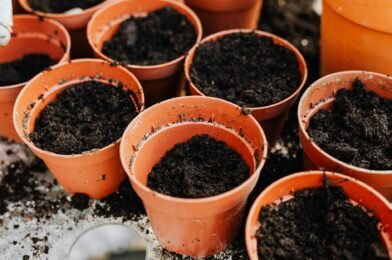
Container Gardening for Beginners: Grow Anything on Your Patio

Container Gardening for Beginners: Grow Anything on Your Patio

Have you ever dreamed of having a lush garden but feel limited by space? Picture this: a vibrant array of flowers, fresh herbs, and even vegetables, all thriving on your small patio or balcony. It might sound like a fantasy, but container gardening makes it a reality. Whether you’re a busy professional, a city dweller, or simply someone looking to add a touch of greenery to your life, container gardening is the perfect solution.

Many people overlook the potential of container gardening, thinking it’s only for seasoned gardeners. The truth is, with just a few basic tools and some helpful tips, anyone can transform their outdoor space into a mini oasis. Have you ever wanted to enjoy fresh basil for your pasta or vibrant marigolds to brighten your day? With container gardening, you can grow a variety of plants, all within arm’s reach. Let’s explore how you can kickstart your container gardening journey!

Choosing the Right Container

The first step in your container gardening adventure is selecting the right pots or containers. You might think any old bucket will do, but the truth is, the type of container can significantly impact your plants’ growth. Consider materials like clay, plastic, or metal. Each has its advantages—clay pots offer breathability, while plastic containers are lightweight and versatile. Imagine a classic terracotta pot filled with vibrant geraniums; it adds character while providing great drainage.

When choosing size, larger containers are often better as they retain moisture and provide ample space for roots to grow. A common mistake beginners make is opting for too small of a pot. This can stunt plant growth. So, here’s the question: Do you want your plants to thrive or just survive? Aim for a container that’s at least 12 inches in diameter for most flowers and herbs. Remember, the aesthetic appeal is as important as functionality!

Soil and Drainage: The Foundation of Success

Many new gardeners underestimate the importance of soil quality. Using the right potting mix is crucial for the health of your plants. Garden soil is too dense and can lead to poor drainage in containers. Instead, opt for a high-quality potting mix, which is specifically designed to retain moisture yet allow for adequate drainage. Imagine trying to grow your precious tomatoes in mud; it just won’t work!

Don’t forget about drainage holes. Most containers should have them to prevent water from pooling at the bottom. If you’re using a non-draining container, like a decorative ceramic pot, consider placing a layer of gravel at the bottom to enhance drainage. At the end of the day, healthy roots lead to healthy plants—and healthy plants yield better produce or blooms. Have you checked if your containers have drainage holes yet?

Choosing the Right Plants

Now comes the exciting part: selecting the plants you want to grow. The options are truly endless! You can cultivate anything from hardy succulents and vibrant flowers to fresh herbs and even vegetables. If you’re a beginner, it’s best to start with easy-to-grow plants like basil, lettuce, or petunias. Picture yourself harvesting fresh basil for a homemade pesto—what a rewarding experience!

Consider your space and sunlight availability. Do you have a sunny patio that gets at least six hours of sunlight? Then tomatoes or peppers might thrive. On the other hand, if your patio is shaded, ferns or shade-loving flowers like impatiens will be more suitable. Here’s a fun fact: many herbs, like mint and parsley, can even thrive in partial shade! What kind of plants are you most excited to grow?

Watering Wisely

Watering your plants may seem straightforward, but there’s an art to it. Container plants often dry out faster than those in traditional gardens. Thus, regular monitoring of soil moisture is essential. A simple finger test—sticking your finger an inch into the soil—can help you determine if it’s time to water. If the soil feels dry at that depth, it’s time for a drink!

The key is to water thoroughly until you see excess water draining from the bottom of the pot. This ensures the roots are hydrated and prevents root rot. However, be cautious of over-watering, which can lead to fungal issues. Remember, just like you wouldn’t drown yourself in water, your plants don’t want to drown either. What watering methods have you tried in the past?

Fertilizing for Optimal Growth

Nutrients are vital for plant health, and container plants often deplete the soil of essential elements faster than plants in the ground. Incorporating a balanced, slow-release fertilizer into your potting mix is a fantastic way to ensure your plants receive consistent nourishment. It helps to think of fertilizer as food for your plants. Just like we need a balanced diet, so do they!

Some beginners might find it useful to use organic fertilizers, which are gentler on the plants and soil ecosystem. Additionally, liquid fertilizers applied every few weeks can provide an extra nutrient boost. Imagine seeing your plants flourish and bloom, all because you provided them with the right care. Are you ready to give your plants the nutritional support they need?

Maintaining Your Container Garden

Once your garden is planted and growing, maintenance is key to keeping it vibrant. Regularly check for pests and diseases, as containers can be prone to issues due to the confined space. Although some pests seem small, like aphids or spider mites, they can wreak havoc on your plants. If you spot trouble, don’t panic! A gentle wash with soap and water can often resolve minor infestations.

Incorporating companion planting can also be beneficial—not only does it deter pests, but it can enhance growth. For instance, planting marigolds alongside vegetables can deter harmful insects. And don’t forget about pruning! Regularly trimming back dead or wilted leaves not only improves aesthetics but encourages new growth. What’s your strategy for keeping your plants pest-free and thriving?

Harvesting and Enjoying Your Bounty

The thrill of container gardening culminates in the moment of harvest. Picture yourself plucking sun-ripened tomatoes or aromatic herbs from your patio garden. The satisfaction of enjoying fresh produce from your own efforts is unparalleled. Be sure to harvest at the right time—not too early, and not too late. For instance, herbs are best harvested in the morning after dew has dried but before the heat of the day sets in.

In summary, container gardening is an accessible and rewarding venture that opens up a world of possibilities, even in the tightest of spaces. From selecting the right containers to maintaining and harvesting your plants, every step is an opportunity to connect with nature and nourish your soul. So, what are you waiting for? Grab those pots, pick your plants, and start growing today! Feel free to share your progress or ask questions in the comments below. Happy gardening!