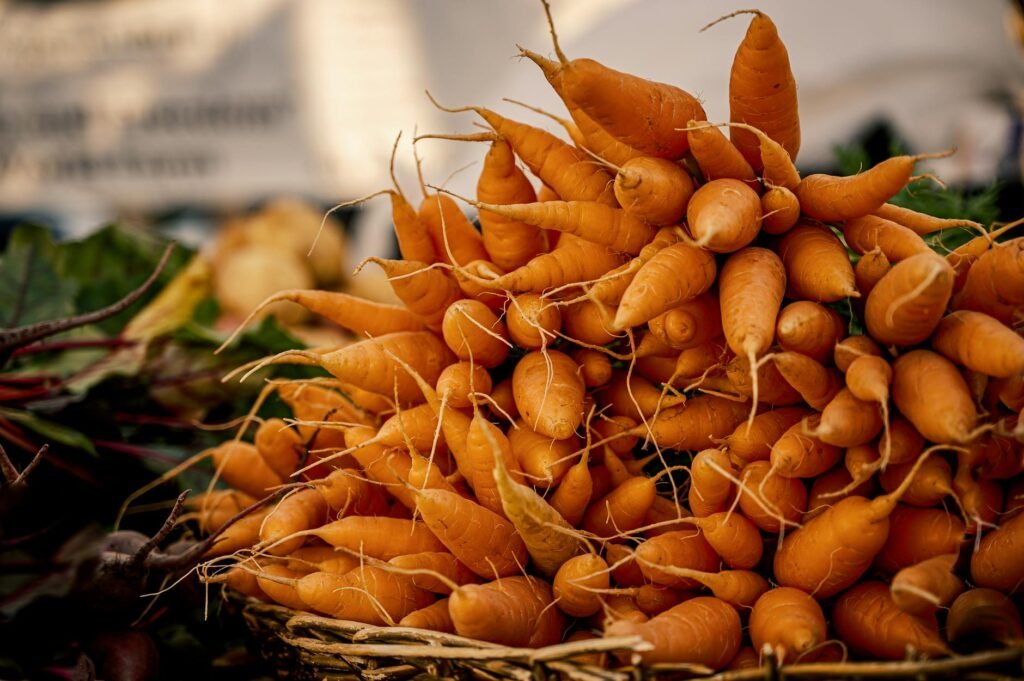
Growing Carrots in Your Backyard: Secrets for Sweet Roots
Picture this: You step into your backyard, and with every breath, you’re greeted by the earthy aroma of fresh vegetables. Among them, the sweet, crisp bite of a freshly harvested carrot stands out. Have you ever wondered what makes homegrown carrots taste so much better than store-bought ones? It turns out, growing carrots isn’t just about planting seeds and waiting. There’s an art to it, filled with secrets that transform ordinary roots into a sweet delight.
For many novice gardeners, the idea of growing carrots might seem daunting. After all, aren’t they just root vegetables? But here’s the thing: carrots thrive in specific conditions. They demand attention, care, and a little know-how. The delightful crunch and sweetness of a homegrown carrot can make the effort worthwhile. So, let’s dig into the essential secrets to growing carrots right in your backyard.
Choosing the Right Variety
When it comes to carrots, variety matters. Did you know that there are over 100 different types of carrots? Each variety boasts its unique flavor profile, texture, and color. While some gardeners swear by the classic orange carrot, others may find joy in growing purple or white varieties. For instance, the ‘Nantes’ carrots are known for their sweetness and tender texture, making them perfect for munching straight from the garden.
Consider your local climate when selecting your carrot variety. For warmer regions, heat-tolerant types like ‘Danvers’ are ideal, as they can handle the heat without turning bitter. In contrast, cooler regions might favor varieties like ‘Short n’ Sweet’ that mature quickly. So, what’s your favorite type of carrot? Knowing the answer could set you on the right path to achieving sweet roots.
Preparing Your Soil
Soil preparation is the backbone of successful carrot growth. Carrots prefer loose, well-drained soil that allows them to grow straight and unobstructed. Compacted or rocky soil can lead to misshapen roots, which is something no gardener wants. Before planting, take the time to amend your soil with organic matter, such as compost or well-rotted manure. This not only enriches the nutrients but also improves soil structure.
Imagine pulling a perfectly shaped carrot from the earth; it’s the little details in the preparation that lead to that moment of triumph. A simple soil test can also help you understand if your pH levels are conducive to carrot growth, which ideally should be between 6.0 and 6.8. Have you ever noticed how some gardens produce beautifully shaped carrots while others struggle? The soil preparation could very well be the secret ingredient.
Sowing and Spacing Techniques
When it comes to sowing carrot seeds, timing is everything. Carrots thrive in cool weather, making early spring or late summer the perfect time for sowing. Planting seeds too closely can lead to overcrowding, which might result in stunted growth. Aim for a spacing of about 2 to 4 inches between seeds, which will allow each carrot enough room to grow without competing for nutrients.
Many gardeners make the mistake of planting seeds too deep, leading to poor germination. Ideal soil depth for carrot seeds is about 1/4 inch. It’s fascinating how something so simple can impact your harvest. Try using a seed tape or a row marker to keep your sowing uniform. This method not only saves time but can also create a visually appealing garden. What’s your current experience with sowing seeds? Is it more of a chore or a joy for you?
Watering and Nutrient Management
Watering is another critical factor in growing sweet carrots. They need consistent moisture, especially during germination when the seeds are fragile. Aim for about an inch of water per week, adjusting based on rainfall. A simple trick is to mulch around your carrot plants; this retains moisture while suppressing weeds that compete for resources.
Fertilizing your carrots can be a bit of a balancing act. Carrots don’t require heavy feeding, as too much nitrogen can lead to leafy tops at the expense of root development. Instead, opt for a low-nitrogen fertilizer, focusing on phosphorus and potassium to promote healthy root growth. Here’s a recommendation: mix in some bone meal or rock phosphate to give your carrots that extra boost. Have you thought about your watering strategy as part of your gardening journey?
Harvesting for Maximum Flavor
Nothing compares to the moment when you finally pull up your carrots. But timing your harvest is crucial for achieving that sweet flavor we all crave. Carrots typically take about 70 to 80 days to mature. The best way to know when to harvest is by checking the size; mature carrots should be about the diameter of a pencil. Pulling them too early can mean sacrificing sweetness, while leaving them too long can lead to a woody texture.
Consider this: it’s often recommended to harvest carrots after a good rain. The moisture in the soil makes lifting them easier and also enhances their flavor. As you gather your carrots, take a moment to appreciate the journey from seed to harvest. What’s that satisfaction like for you? Each carrot is a testament to your hard work and care.
Storing Your Carrots
Once you’ve harvested your carrots, proper storage is key to maintaining their freshness and flavor. Surprisingly, many gardeners overlook this vital step. Ideally, store your carrots in a cool, dark place like a root cellar. They can last for weeks in a moisture-retentive environment, like a plastic bag with a slightly damp paper towel. By keeping them out of direct sunlight, you prevent them from losing their sweetness and crunch.
If you have an abundant harvest, consider freezing or pickling them for future use. Here’s a quick tip: blanching carrots before freezing helps preserve their vibrant color and nutrients. Have you ever tried preserving your garden’s bounty? It can be an exciting way to enjoy your hard work long after the season has ended.
Growing carrots in your backyard can be a rewarding journey filled with sweet rewards. By choosing the right variety, preparing your soil, and adhering to proper care techniques, you can cultivate a bountiful harvest. So why not take the plunge this season? Start small, experiment, and share your experiences with fellow gardening enthusiasts. What secrets will you uncover in your quest for the perfect carrot?