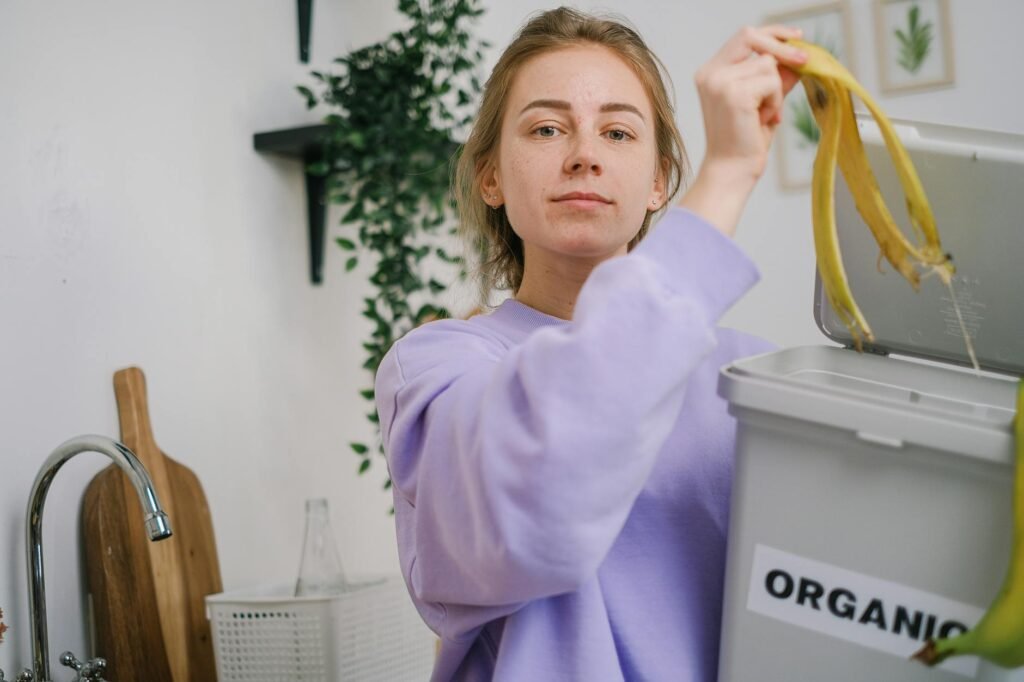
Composting 101: Turn Kitchen Scraps Into Black Gold
Have you ever wondered what happens to your kitchen scraps when you throw them away? Most people don’t give it a second thought, yet nearly 30% of what we toss could be transformed into nutrient-rich compost instead of heading straight to a landfill. Imagine taking your fruit peels, coffee grounds, and vegetable trimmings and turning them into “black gold” for your garden. Composting isn’t just a trend—it’s a sustainable practice that can enrich your soil and reduce your environmental footprint.
Truth is, composting is surprisingly easy. You don’t need a degree in horticulture or a vast backyard to get started. With just a few basic principles, anyone can create their own compost pile. Whether you’re an urban dweller with a small balcony or a homeowner with a spacious yard, composting can fit into your lifestyle. Are you ready to roll up your sleeves and dive into the world of compost? Let’s explore the essential steps and tips to turn those kitchen scraps into something extraordinary.
The Basics of Composting
Composting is the natural process of recycling organic material, like food scraps and yard waste, into a rich soil amendment known as compost. But what does that mean in practice? At its core, composting harnesses the power of microorganisms, worms, and other decomposers to break down organic matter. This process not only reduces waste but also enriches your soil with essential nutrients.
The typical composting process involves layering “greens” (nitrogen-rich materials like kitchen scraps and grass clippings) with “browns” (carbon-rich materials like dried leaves and cardboard). This balance is crucial; too many greens can lead to a smelly pile, while too many browns can slow down decomposition. A common misconception is that you need a fancy compost bin. In reality, a simple pile or a homemade bin can do the trick. Have you considered where you would place your compost pile? The right location can make a difference in the speed of decomposition.
What to Compost: The Do’s and Don’ts
One of the most common questions new composters have is, “What can I compost?” The answer is quite expansive. Cooked foods, eggshells, coffee grounds, fruit and vegetable scraps, grass clippings, and dried leaves can all go into your compost. Here’s a quick checklist to help you remember:
- Do compost: Vegetable scraps, coffee grounds, tea bags, eggshells, grass clippings, and dried leaves.
- Don’t compost: Meat, dairy, oily foods, and diseased plants.
Let’s talk about a real-life example. Sarah, a passionate gardener living in a small apartment, started composting her kitchen scraps in a simple worm bin. Initially hesitant, she discovered that even small kitchens can yield a surprising amount of organic matter. Within just a few months, she had produced enough worm castings to nourish her houseplants. Isn’t it amazing how a little effort can lead to such rewarding results?
How to Start Composting at Home
Starting your compost pile doesn’t have to be daunting. To begin, choose a location that’s convenient for you—somewhere accessible but not too close to your living spaces to avoid odors. If you’re using a bin, make sure it has proper ventilation. Start by layering your browns and greens, mixing them together as you go. The key is to maintain a good balance, so your compost doesn’t become too wet or dry.
One effective strategy is to keep a compost bucket in your kitchen. This way, you can easily collect scraps throughout the week. Once it’s full, take it out to your compost pile. Did you know that maintaining the right moisture level can significantly speed up the composting process? Aim for a consistency similar to a wrung-out sponge. If it’s too dry, sprinkle some water; if it’s too wet, add more browns.
Maintaining Your Compost Pile
Once you’ve started your compost pile, the work isn’t over. Regular maintenance is vital to ensure that your compost breaks down efficiently. Turn your pile every few weeks to aerate it, which accelerates the decomposition process. This also helps to mix the layers, ensuring that all materials are equally broken down. Have you ever turned a compost pile? It’s a bit like flipping a cake—satisfying and essential for the final product!
Another important aspect is temperature. A well-managed compost pile can heat up significantly, promoting the decomposition of materials. Monitoring the temperature allows you to know when to aerate and when to add materials. If your compost pile has been active for several months, it might be time to sift through it for finished compost, which should be dark, crumbly, and earthy-smelling. Trust me; the first time you see that black gold, you’ll be inspired to compost even more!
Using Finished Compost
Once your compost is ready, the possibilities are endless. You can use it to enrich your garden beds, add it to potting soil, or even sprinkle it around your houseplants. Finished compost not only improves soil structure but also enhances water retention and provides a steady supply of nutrients to plants. Imagine transforming your garden into a lush paradise with minimal effort—all thanks to your kitchen scraps!
Take the story of John, an avid landscaper who started using compost in his garden. After a year of composting, he noticed healthier plants and a more vibrant garden. His neighbors began to ask for his secret, and John happily shared his composting journey. “Once you see the difference it makes, you’ll never throw away food scraps again!” he often tells them.
At the end of the day, composting is a powerful tool for sustainability. It’s not just an eco-friendly practice; it’s a way to connect with nature and participate in the cycle of life. So, what are you waiting for?
Join the Composting Movement
Composting isn’t just for gardening enthusiasts or eco-warriors. It’s a simple and impactful way to make a difference in your home and the environment. By composting, you’re not only reducing waste but also nurturing the earth that provides for us. Plus, the skills you develop—patience, observation, and care—are invaluable.
So, do you feel inspired to start your own composting journey? Picture this: you, standing proudly next to a thriving garden, knowing you turned what would have been waste into a vibrant source of life. Go ahead, give it a shot! Share your composting success stories or ask questions in the comments below. Happy composting!