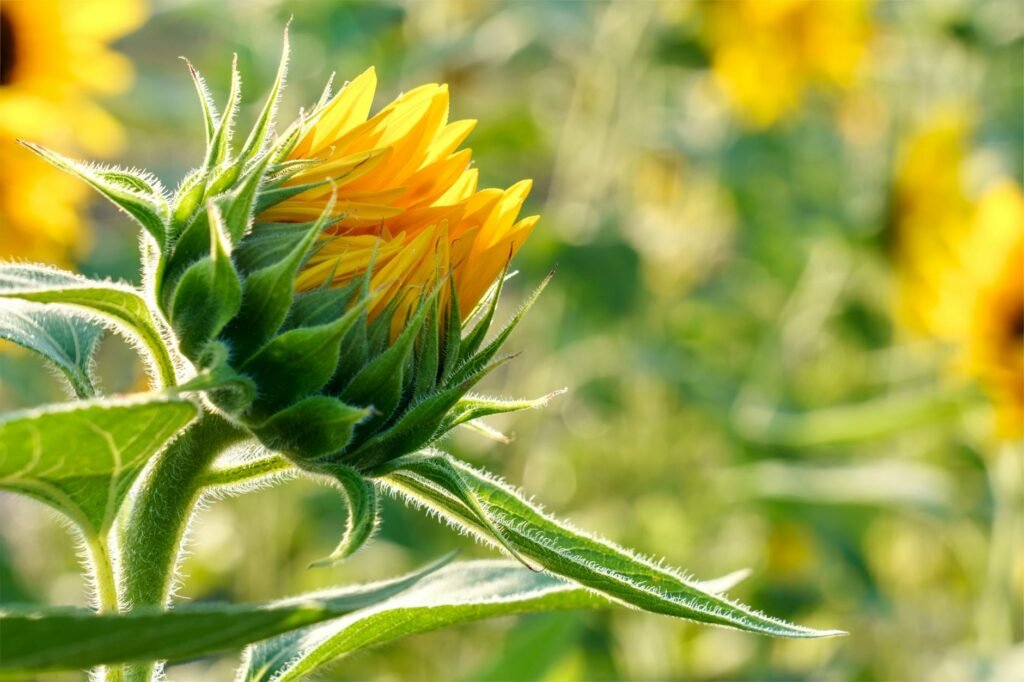
How to Grow Sunflowers From Seed to Bloom: A Step-by-Step Guide
Imagine waking up to a backyard bursting with golden sunflowers, their cheerful faces turning toward the sun. Isn’t that a sight to behold? These vibrant flowers are not just stunning; they also attract pollinators and add a sprinkle of joy to any garden. But how do you move from the first tiny seed to a towering, blooming sunflower? The journey is not just rewarding; it’s also simpler than you might think!
What’s fascinating about sunflowers is their resilience. They can thrive in a variety of conditions and are known for growing quickly, often reaching impressive heights in just a few months. Whether you’re an experienced gardener or just starting your green-thumb journey, growing sunflowers is an enriching experience. Let’s explore the steps from planting seeds to enjoying their full bloom.
Choosing the Right Seeds and Variety
Before diving into the planting process, it’s essential to select the right seeds. With numerous sunflower varieties available, you have options ranging from the classic tall giants to charming dwarf types perfect for borders. For instance, the “Mammoth Grey Stripe” can grow up to 12 feet tall, while “Little Becka” reaches only about 18 inches. Here’s the deal: if you have limited space, opt for dwarf varieties. They’re not only beautiful but also manageable.
Additionally, consider your climate. Some sunflowers prefer cooler temperatures while others thrive in the heat. Make sure to check your local gardening center for seeds that suit your area. I remember my first gardening adventure—a mix of tall and dwarf sunflowers filled my yard, and it became a community favorite, thanks to its delightful variety and height differences!
Preparing the Soil for Planting
Strong roots lead to stunning blooms. The soil is where it all begins! Sunflowers flourish in well-drained, nutrient-rich soil with a pH of 6.0 to 7.5. Start by clearing the area of weeds and debris. A good rule of thumb is to loosen the soil to a depth of about 2 feet. This technique helps the roots grow deep and strong.
Adding organic matter, like compost, enhances soil fertility. You might consider a soil test to check nutrient levels, especially if you want the best possible blooms. When I prepared my garden bed, the transformation was incredible. Just a few adjustments in the soil quality led to an explosion of color and health in my sunflowers. It’s all about that initial preparation!
Planting Your Seeds
Now comes the fun part: planting! The best time to sow sunflower seeds is in late spring when the soil temperature reaches around 70°F (21°C). Space your seeds about 6 inches apart, and plant them at a depth of 1 to 2 inches. If you’re planting multiple rows, ensure each row is at least 2 feet apart to provide ample room for growth and sunlight.
Here’s a pro tip: planting in clusters can create a stunning visual impact. For example, when I planted groups of three seeds in a tight circle, the resulting blooms were a breathtaking sight, resembling a radiant sun. Remember to water your seeds gently after planting—they’ll need that hydration to kickstart germination!
Watering and Care for Healthy Growth
Watering is crucial in the early stages of growth. After planting, keep the soil consistently moist but not soggy. As your sunflowers grow, they’ll need about 1 to 1.5 inches of water each week. What’s your watering strategy? I’ve found that an early morning watering routine allows the plants to soak up moisture before the heat of the day.
In addition to watering, monitor for pests like aphids and caterpillars. If you notice any invaders, treating them with a mild soap solution is often effective. One summer, I discovered a small colony of aphids on my sunflowers, and a simple spray saved the day! Regularly inspecting your plants can keep them healthy and vibrant.
Supporting Growth and Preventing Fall
As your sunflowers begin to reach for the sky, they may require some support, especially the taller varieties. Using stakes can help prevent them from leaning or falling over during windy weather. It’s a small step that can make a significant difference in keeping your blooms upright and healthy.
Additionally, consider mulching around the base of the plants. Mulch helps retain moisture, suppress weeds, and regulate soil temperature. I remember a particularly windy season when my sunflowers stood tall, thanks to the extra care I took with staking and mulching. They not only survived but thrived!
Harvesting and Enjoying the Blooms
After weeks of nurturing, the moment of truth arrives—the blooming! Sunflowers typically bloom about 70 to 100 days after planting, depending on the variety. You’ll know they’re ready when the petals are fully open and the backs of the heads turn yellow. If you plan to harvest seeds, wait until the backs of the heads are brown and dry.
When it’s time for harvesting, use sharp pruners and cut the flowers early in the morning. You can arrange them in a beautiful vase or dry them for seeds. I remember the joy of collecting seeds from my first sunflower harvest. It felt like a celebration of nature’s beauty and a promise of more blooms in the future.
Creating a Sunflower Garden Experience
Why not invite friends and family to share in the sunflower experience? Consider hosting a sunflower planting day or a harvest party. Kids especially love the excitement of planting seeds and watching them grow. Plus, a sunflower garden can become a wonderful backdrop for photos and memories.
At the end of the day, sunflowers are more than just flowers; they symbolize happiness and positivity. So, gather your loved ones, get your hands dirty, and enjoy the simple pleasures of gardening together. What more could you ask for?
In a world filled with challenges, growing sunflowers offers a slice of joy and beauty. So, are you ready to embark on this sunflower journey? I’d love to hear about your experiences growing these delightful flowers. Share your thoughts in the comments below or let me know if you have any questions!