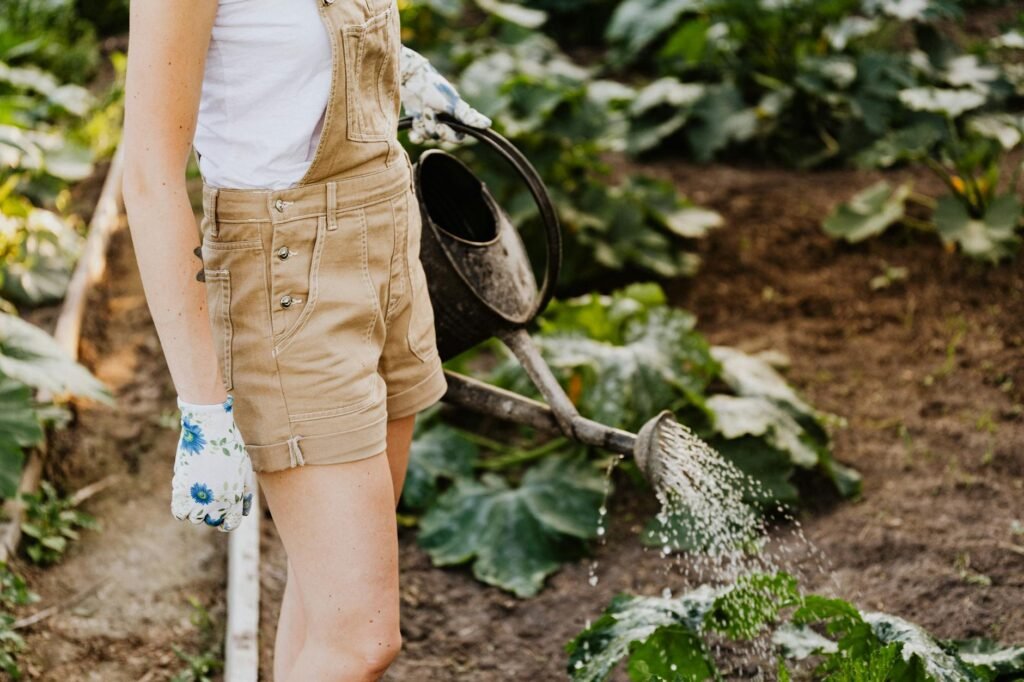
Summer Garden Care: Keeping Plants Alive in the Heat
Picture this: You wake up one bright morning in August, and your garden looks like it’s been through a heatwave. Well, it has! With temperatures climbing, keeping your plants thriving requires a thoughtful approach. Did you know that many gardeners lose a significant portion of their plants during the summer months due to improper care? The truth is, summer gardening poses some unique challenges, but with the right strategies, your garden can be a lush oasis even in the scorching heat.
As summer sets in, it brings longer days and more sunlight, which can be both a blessing and a curse for our beloved greenery. Plants, like humans, face stress during extreme weather conditions. What most gardeners overlook is that the way we care for our plants during these hot months can determine their survival. That’s why understanding the essentials of summer garden care is crucial if you want your plants to flourish.
Watering Wisely: The Key to Survival
Have you ever heard of the “deep watering” technique? It’s a game-changer! Instead of light sprinklings throughout the week, aim for deep, thorough watering once or twice a week. This encourages plants to develop deeper root systems, making them more resilient against the heat. Picture a time when you watered your plants lightly every day; they likely wilted quickly under the sun. Here’s the thing: deep watering allows the moisture to penetrate the soil, providing sustenance even during the hottest days.
Let’s look at a real-life example. A neighbor of mine, an avid gardener, struggled with wilting tomato plants each summer. She switched to deep watering and saw a remarkable transformation. Her tomatoes thrived, producing juicy fruits throughout the season! So, before you grab that hose again, consider the depth of your watering strategy. You might be surprised by the results!
Mulching for Insulation
During summer, much like a cozy blanket on a chilly night, mulch acts as an insulator for your plants. It helps retain moisture in the soil, regulates temperature, and suppresses pesky weeds. But here’s a common question: how much mulch is too much? Ideally, a 2- to 3-inch layer around your plants should suffice. This ensures that moisture is locked in, but still allows the soil to breathe.
Imagine this scenario: you have a vibrant flower bed that seems to dry out within hours of watering. A friend of mine faced this issue until she decided to apply a layer of organic mulch. Suddenly, her flowers not only looked happier, but they also flourished despite the heat. At the end of the day, mulching is a simple yet effective way to keep your garden thriving during the summer months.
Choosing the Right Plants
Have you ever planted something simply because it looked beautiful, only to watch it struggle in the heat? The truth is, plant selection is crucial for successful summer gardening. Opt for heat-tolerant varieties like succulents, ornamental grasses, and native plants that are well-adapted to your region’s climate. These choices not only survive but often thrive in summer conditions.
For instance, a local garden center hosts a summer sale featuring drought-resistant plants. Many customers overlook them, assuming they aren’t as vibrant as traditional floral offerings. However, after attending a workshop on sustainable gardening, I learned that these plants can bring a splash of color without demanding too much water. Why not choose plants that can endure the heat while still enhancing the beauty of your garden?
Fertilizing: Less is More
During the heat of summer, plants may enter a state of dormancy where their growth slows down. This makes fertilization a delicate balance. Over-fertilizing during this time can lead to burnt roots and stressed plants. Trust me, it’s far better to under-fertilize than to risk damaging your plants. A slow-release fertilizer once at the beginning of summer can do wonders without overwhelming your greenery.
Consider a story shared by a fellow gardener who learned this lesson the hard way. Enthusiastic about promoting growth, he over-fertilized his garden, leading to scorched leaves and stunted plants. Since then, he follows a conservative approach, ensuring his plants get just enough nutrients without the risk of overload. Next time you’re reaching for that fertilizer, remember that moderation can lead to a more robust garden.