Preparing Your Garden for Winter: A Complete Guide
As the days grow shorter and the air becomes crisper, many gardeners face a pivotal question: how can I ensure my garden thrives again come spring? Winter might seem like a time for gardens to hibernate, but in reality, it’s the perfect opportunity to lay the groundwork for a vibrant growing season ahead. With a few essential steps and some thoughtful preparation, you can protect your plants and soil from harsh winter conditions.
Picture this: the first frost arrives and your vibrant greens begin to wilt. It’s a sobering moment that reminds us that preparation is not merely an option; it’s a necessity. The truth is, winter can be unforgiving to unprepared gardens. However, with a proactive approach, you can create a sanctuary for your plants that will allow them to emerge revitalized and robust when the thaw comes. This guide will navigate you through the essential steps to prepare your garden for winter.
Assessing Your Garden’s Needs
Before diving into winter preparations, take a moment to assess your garden’s unique needs. Walk through your space and consider factors such as the types of plants you have and their specific hardiness zones. For instance, perennials like astilbes and peonies can often survive winter with minimal intervention, while more delicate annuals might require your assistance to survive the cold. By understanding what you have in your garden, you can tailor your winter preparation plan to fit their needs.
Here’s the thing: many gardeners overlook the importance of cleaning up their garden beds before winter sets in. Allowing dead plant matter to accumulate can attract pests and diseases that will linger long after the first snow. A neighbor of mine learned this lesson the hard way when she discovered that her beloved dahlias succumbed to fungal infections after a careless approach to fall cleanup. A simple cleanup and proper mulching could have saved her plants. So, what’s holding you back? Grab those garden gloves and get to work!
Properly Pruning Your Plants
Pruning may not be the most thrilling aspect of gardening, but it’s essential for winter preparation. Think of it as giving your plants a much-needed trim before their long winter’s nap. This practice helps to remove any dead or diseased branches that could compromise the plant’s health. Moreover, it encourages healthy growth in the spring. For example, if you’ve got rose bushes in your garden, pruning them back in late fall can help minimize winter damage and ensure robust blooms come summer.
When pruning, remember that timing is crucial. Late fall is typically ideal for many shrubs and trees, as they have gone dormant. However, don’t rush outdoors too soon; waiting until after the leaves have fallen is key. As you prune, take care not to cut too much—balance is vital. Aim for a clean cut at a 45-degree angle just above a bud. Your plants will thank you for it come spring!
Soil Care: The Unsung Hero
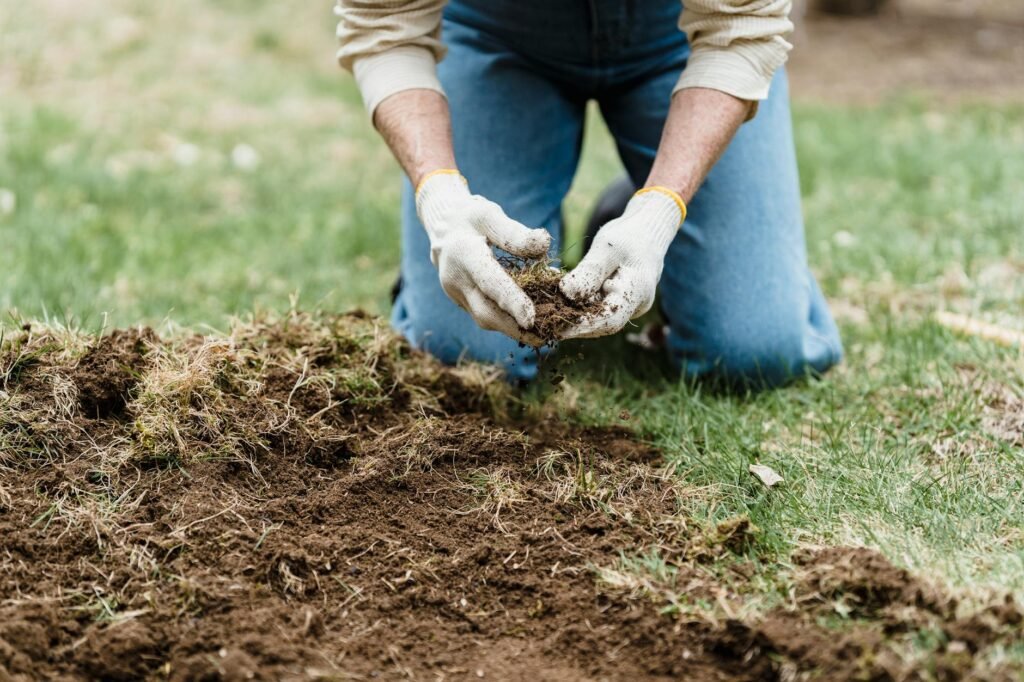
While we often focus on the visible parts of our gardens, let’s not forget about the soil. Healthy soil is the foundation of a thriving garden, and winter offers an excellent time to nurture it. If your garden soil is low in nutrients, incorporating organic matter like compost or well-rotted manure can significantly boost its health. This addition helps retain moisture and provides essential nutrients, creating a lush landscape for your plants’ roots to thrive.
One of my gardening friends swears by the benefits of covering her beds with a protective layer of mulch. This not only prevents soil erosion but also insulates the ground against freezing temperatures. When spring rolls around, she finds that her soil warms up faster, which jumpstarts her planting season. Imagine walking out to a garden that’s already a step ahead! The benefits of caring for your soil during winter cannot be overstated. Are you ready to give your garden the gift of rich, nurturing soil?
Choosing the Right Winter Cover
Covering your garden for the winter may sound straightforward, yet it’s a task that requires careful consideration. Depending on your climate and the plants you’re protecting, different coverings will serve different purposes. For example, a breathable fabric like frost cloth can help insulate tender plants, while a more rigid structure like a cold frame might be necessary for your vegetable garden.
A friend of mine uses old sheets and blankets to shield her precious seedlings from harsh winds and frigid temperatures. Surprisingly, these simple materials can effectively trap heat while preventing frost damage. Just be sure to remove the covers on sunny days to allow for airflow! Think about your own garden: which plants need extra protection? A little planning now can set the stage for a thriving garden season.
Final Touches: Fertilizing and Watering
As winter approaches, many gardeners assume it’s time to halt all watering and fertilizing. However, understanding your garden’s specific water needs is essential. Soil moisture plays a critical role in plant health. If you’re in an area with little winter precipitation, a deep watering before the ground freezes can go a long way. This ensures that your plants have enough moisture to see them through the chill.
Likewise, fertilizing your garden during this time can be beneficial, but it’s essential to choose the right fertilizer. A slow-release, organic option is typically best. Adding nutrients now allows your plants to build strong root systems, which is crucial for a successful spring revival. Have you thought about how your plants will access nutrients in the cold? By making these final touches, you’re setting the stage for a flourishing garden when spring arrives.
As winter sets in, many of us dream of blossoming flowers and lush greenery. But the reality is, the journey to a beautiful garden begins long before the first buds appear. Taking the time to prepare your garden for winter can impact your success in the growing season to come. So, what will you do today to ensure your garden thrives through the winter months?
Share your winter preparation tips or ask questions below! Remember, every gardener has a unique story to tell, and your insights could inspire someone to create their best garden yet.