Companion Planting: Natural Pest Control That Works

Companion Planting: Natural Pest Control That Works

Have you ever walked through a garden only to find your precious plants covered in pests? It can feel disheartening, especially after all the hard work you’ve put in. But what if I told you there’s a natural way to deter these unwelcome guests without chemical pesticides? Enter companion planting—a gardening technique that pairs compatible plants to enhance growth and naturally fend off pests. Curious how this method really works? Let’s dive into the fascinating world of companion planting and discover how you can transform your garden into a thriving ecosystem.

Companion planting is more than just a gardening strategy; it’s a timeless practice that can enhance plant growth, increase yields, and minimize pest issues. The truth is, certain plants have unique relationships that not only benefit each other but also protect against specific pests. For example, marigolds are notorious for repelling nematodes and aphids—adding them to your vegetable garden can create a natural barrier. But how do you know which plants to pair? Learning about these partnerships can revolutionize your gardening approach, saving you frustration and protecting your harvest.

Understanding the Basics of Companion Planting

At its core, companion planting is all about creating beneficial relationships among different plant species. Some plants can enhance each other’s growth, while others can deter pests or attract beneficial insects. For instance, the classic pairing of tomatoes and basil not only boosts flavor but also repels harmful insects like thrips. Meanwhile, beans and corn are a dynamic duo; beans fix nitrogen in the soil, benefiting the corn’s growth. Why does this matter? Because understanding these relationships leads to healthier plants and reduced reliance on synthetic chemicals.

One gardener I spoke with, Emily, shared her experience with companion planting. She had a small plot where she grew peppers alongside marigolds. Initially skeptical, she was amazed at how much healthier her pepper plants looked compared to the year before when she used standard pest control methods. The marigolds not only flowered beautifully but also kept unwanted pests at bay. Emily’s story highlights that with a bit of research and planning, anyone can harness the power of nature in their garden.

Top Companion Planting Combos

Choosing the right companion plants can be a game changer. Here are some popular pairings that experienced gardeners swear by: first, there’s the classic trio of tomatoes, basil, and asparagus. Basil enhances the growth of tomatoes while repelling harmful insects. Asparagus benefits from the nitrogen-rich beans, creating a harmonious garden environment. Then we have carrots and onions. The strong scent of onions can mask the smell of carrots, helping to protect them from pesky carrot flies.

Additionally, consider planting garlic near roses—this helps ward off aphids and other invasive pests. Then, there’s the unforgettable combination of cucumbers and nasturtiums. Nasturtiums are not only beautiful but also attract aphids away from cucumbers, saving them from damage. The diversity of these combinations can truly enhance your garden. Which pairing do you think you’ll try first?

Creating a Pest-Resistant Garden

Imagine walking through your garden, witnessing the vibrant colors of flourishing plants, knowing that nature’s harmony is at work. A well-planned companion planting strategy can significantly reduce pest problems. By grouping plants that repel pests with those susceptible to them, you can create an environment that naturally minimizes infestations. This proactive approach not only saves you from headaches but also encourages biodiversity, which is essential for a resilient garden ecosystem.

For instance, consider the story of James, a community gardener who faced a significant aphid problem one summer. Instead of reaching for chemicals, he decided to plant sunflowers around his vegetable beds. The bright blooms attracted ladybugs, nature’s pest control, which feasted on the aphids. Not only did the sunflowers add beauty, but they also contributed to a thriving garden ecosystem. James’s success story is a testament to the effectiveness of smart companion planting.

The Science Behind Companion Planting

While companion planting might sound like an old wives’ tale, there’s real science to back it up. The interactions between plants can affect various factors such as soil nutrients, allelopathy (where one plant releases chemicals that inhibit the growth of another), and even the attraction of essential pollinators. Understanding these interactions can empower gardeners to create effective strategies for pest control without resorting to harmful chemicals.

For example, certain plants emit natural chemicals that can repel pests, while others attract beneficial insects. Research has shown that the relationship between flowers and vegetables can influence pollination rates. Think about it: when you grow sunflowers alongside your veggies, not only do you brighten up your garden, but you also attract pollinators that contribute to fruit and vegetable production. Here’s the thing—when you introduce diversity in your planting, you create a self-sustaining ecosystem.

Getting Started with Companion Planting

If you’re eager to start your companion planting journey, the first step is research. Look into which plants thrive together and which ones don’t. A great way to start is by focusing on a few key combinations that suit your growing conditions. Begin with your favorite vegetables and companion flowers to create an attractive and functional garden space.

Moreover, don’t forget about the importance of timing and location. Some plants thrive in full sun, while others prefer partial shade. Assess your garden’s layout and make informed decisions based on plant needs. Keeping a garden journal can also help track plant performance and pest levels over time, allowing you to adjust your strategies as needed. Engaging with local gardening communities can provide valuable insights and tips tailored to your area. What are you waiting for? It’s time to experiment!

Are you ready to embrace the natural art of companion planting? By combining the right plants, not only can you reduce pests, but you can also create a vibrant garden full of life and color. Share your experiences or ask questions in the comments below—let’s grow together!


How to Identify and Treat Common Plant Diseases

How to Identify and Treat Common Plant Diseases

Have you ever walked through your garden only to notice something isn’t quite right with your cherished plants? Perhaps the leaves are turning yellow or showing weird spots. If you’ve found yourself puzzled by these plant illnesses, you’re not alone. Understanding how to identify and treat common plant diseases is crucial for any gardener looking to maintain a flourishing green space.

The truth is, with hundreds of plant diseases out there, it can feel overwhelming to diagnose the issue plaguing your plants. But fear not! Armed with some key knowledge and a bit of observation, you can become a plant disease detective. This journey begins with recognizing the symptoms of the diseases that might be affecting your greenery.

Recognizing Symptoms of Plant Diseases

When it comes to plant health, visual clues are your first line of defense. For instance, a common ailment known as powdery mildew often presents itself as a white powder on leaves, which can be easily mistaken for dust. In contrast, leaf spot diseases manifest as dark spots, which might make you think the plant is simply dirty. Each symptom tells its own story, and understanding these can save your plants.

Consider this real-life scenario: A friend of mine was devoted to her tomato plants until she noticed that some leaves were wilting, while others had dark patches. After some research, she discovered it was a fungal disease called early blight. By promptly identifying the problem, she managed to salvage most of her crop, proving that knowledge is power in the garden.

Common Fungal Diseases

Fungal infections are among the most prolific threats to plant health. From root rot to rust, these diseases can spread quickly if not addressed. Take root rot, for example. It often goes unnoticed until the plant starts wilting, leaving many gardeners confused about its sudden decline. The key here is prevention. Ensure your plants have well-draining soil and avoid overwatering, which is a common mistake.

Another fascinating case is that of rust disease, identifiable by its orange-brown spots. This can be particularly troublesome for beans and other legumes. A gardener in my neighborhood had a thriving bean patch until rust took hold. In an effort to combat this, he learned the importance of crop rotation and the use of resistant varieties, which not only revived his plants but also made him a knowledgeable figure among fellow gardeners.

Common Bacterial Diseases

While fungi get a lot of attention, bacterial diseases can wreak just as much havoc on your plants. Bacterial wilt is one such menace, often causing sudden wilting in plants like tomatoes and potatoes. You might notice a slimy ooze on cut stems, hinting at trouble. Unfortunately, once bacterial wilt takes hold, it’s often a death sentence for your plants.

Common Viral Diseases

Viral diseases, albeit less common than their bacterial and fungal counterparts, can still pose significant challenges. Virus-infected plants often display mottled or distorted leaves, and they may even stunt growth. One of the most well-known is the tobacco mosaic virus, which can infect a wide range of plants. Imagine buying beautiful seedlings at a market, only to discover later that they were carrying this virus.

Prevention is key! Always purchase your plants from reliable sources and practice good garden hygiene. If you suspect a plant is infected, remove it immediately to prevent the spread of the virus. I once saw a fellow gardener lose an entire bed of cucumbers to a viral infection, but by sharing her experience, she educated others in the community about vigilant gardening practices.

Steps to Treat Plant Diseases

Once you’ve identified an issue, it’s time to take action. Treatment often begins with removal of the affected parts. For instance, if a plant shows signs of fungal infection, pruning off the diseased leaves can halt the disease’s spread. Following this, consider using appropriate fungicides or bactericides, always following the label instructions closely.

Additionally, improving air circulation around your plants is essential. A gardener friend used to struggle with damp conditions that invited diseases until she learned how to properly space her plants. Now, her garden thrives, showing how small adjustments can lead to big improvements.

Preventing Future Problems

At the end of the day, the best medicine is prevention. Start with selecting disease-resistant plant varieties and employing proper growing techniques. Rotating crops each year can disrupt the life cycle of soil-borne diseases. Moreover, keeping the garden clean—removing debris and fallen leaves—creates a less hospitable environment for pathogens.

As a plant lover, I sometimes find myself overwhelmed by the challenges pests and diseases bring. However, I’ve come to realize that being proactive in preventive care can make all the difference. By paying attention and reacting swiftly, we can all enjoy healthier, more resilient gardens.

So, what challenges have you faced with plant diseases? Are there any tips or experiences you’d like to share? Join the conversation below and let’s learn together!

Natural Ways to Keep Pests Out of Your Garden

Natural Ways to Keep Pests Out of Your Garden

Picture this: you’ve invested your time, energy, and love into cultivating a beautiful garden, only to discover it’s been invaded by relentless pests. The thought alone can feel disheartening. But what if I told you that nature provides us with effective and natural solutions to deter these unwanted visitors? Rather than resorting to chemical-laden pesticides, let’s explore how you can protect your green sanctuary using sustainable methods.

Gardening is not just a hobby; for many, it’s a passion, a sanctuary, or even therapy. However, the joy of nurturing plants can quickly be overshadowed by the appearance of pesky insects and critters. If you’ve ever stood helplessly watching your plants wilt under the attack of aphids or snails, you might be wondering: is there a way to defend my garden without harming the environment? The answer is a resounding yes! Let’s delve into some natural strategies that can help keep your garden pest-free.

1. Companion Planting: Nature’s Defense System

Companion planting is a technique where certain plants are grown together for mutual benefits. This is particularly effective in warding off pests. For example, marigolds are known to repel nematodes and various insects due to their natural oils. By interspersing marigolds among your vegetables, you create a natural barrier that deters pests. Additionally, basil planted near tomatoes can not only enhance growth but also keep flies away.

Consider the story of a local gardener, Sam, who struggled with aphids devastating his rose bushes. After researching companion planting, he decided to introduce garlic and chives around his roses. Not only did the aphids dwindle, but he also found his roses thrived more vibrantly. Isn’t it fascinating how nature can be such a robust partner in gardening?

2. Homemade Pest Repellents: DIY Solutions

If you’re a fan of DIY projects, whipping up homemade pest repellents can be both satisfying and effective. A simple formula using water, dish soap, and a few drops of vegetable oil can deter a variety of pests. When sprayed on plants, this mixture clogs the breathing pores of soft-bodied insects like aphids and spider mites, leading them to vacate your garden.

Take a moment to think: have you ever opened the pantry to find a variety of ingredients that can help keep pests away? For example, mixing neem oil with water can control not just pests but also fungal infections. Local gardener Lisa swears by her peppermint oil mixture that repels ants and spiders. All she does is mix a few drops of peppermint oil with water and spray it around her garden. It’s effective, and the garden smells refreshing!

3. Physical Barriers: Simple Yet Effective

Sometimes the simplest solutions are the most effective. Floating row covers, nets, or even garden fabric can physically block pests from reaching your plants. These barriers protect vulnerable crops without harming the environment, and they allow sunlight and water to reach your plants, ensuring they flourish. It’s like giving your plants a cozy shield!

Think about James, who faced trouble with cabbage worms on his precious kale. After some research, he draped lightweight row covers over his kale plants. Not only did this deter the pests, but it also allowed him to harvest kales throughout the growing season without a hitch. Have you considered how easy it can be to implement such physical protections?

4. Encouraging Beneficial Insects

While some insects can wreak havoc on your garden, others are your true allies. Ladybugs, lacewings, and predatory wasps can be encouraged to visit your garden by planting flowers like dill, fennel, and yarrow. These flowers attract beneficial insects that will feast on harmful pests.

Take the case of Maria, a passionate gardener who found herself overwhelmed by an infestation of aphids. Instead of reaching for pesticides, she decided to plant a variety of flowering herbs throughout her garden. Soon enough, her garden became a haven for ladybugs! The results were astonishing – her pest problem diminished, and she was able to enjoy a flourishing garden filled with vibrant life. What strategies have you implemented to invite nature’s friends into your garden?

5. Maintaining Healthy Soil: The Foundation of Pest Resistance

A healthy garden begins with healthy soil. Organic matter such as compost enriches the soil, making your plants more resilient against pests. Well-nourished plants are less susceptible to disease and infestations. The truth is, the healthier your plants, the less likely pests will find them appealing.

Consider the inspiring journey of Tom, who faced a persistent struggle with pests eating his peppers. After switching to organic compost and mulch, he noticed not only stronger plants but fewer pest issues too! Healthy plants can fend off invaders more effectively. At the end of the day, investing in your soil can yield remarkable results in pest control.

Conclusion: Embrace Nature for a Pest-Free Garden

Keeping pests out of your garden doesn’t have to mean turning to harsh chemicals. Mother Nature has provided us with an arsenal of tools and strategies that are not only effective but also environmentally friendly. From companion planting to creating homemade repellents and encouraging beneficial insects, these natural methods can transform your garden into a thriving ecosystem.

So, are you ready to embrace these natural ways to keep pests at bay? Share your thoughts or any experiences you’ve had in the comments below! Together, let’s cultivate gardens that celebrate nature’s harmony while being free from the worry of pests.

Common Signs Your Plants Are Overwatered or Thirsty

Common Signs Your Plants Are Overwatered or Thirsty

Ever walked into a room and noticed your favorite plant looking a little worse for wear? You’re not alone. Many plant parents find themselves in a constant battle to figure out if their green friends are begging for water or drowning in it. The truth is, recognizing these signs can make the difference between a thriving indoor jungle and a sad, wilted display. So, how can you tell if your plants are overwatered or in need of hydration? Let’s dig into the common signs that will help you become a more attentive plant caretaker.

Plants, much like us, have their own unique ways of expressing their needs. While a droopy stem might scream dehydration, yellowing leaves could indicate a little too much love in the watering department. The key is to stay observant and learn the language of your plants. With a little patience and care, you’ll soon be able to read their signals like a pro!

Recognizing Overwatering Symptoms

One of the most common pitfalls for plant enthusiasts is overwatering, which can lead to root rot—a condition that no one wants to deal with. The symptoms of overwatering can be quite deceptive at first glance. For instance, you might notice your plant’s leaves turning yellow, even though you’ve been diligent about watering. Here’s the thing: yellowing leaves can signify a plant in distress, but if the soil is soggy and waterlogged, you’ve likely given it too much water. An effective way to check is to feel the soil about an inch deep; if it’s wet, you might want to hold off on watering.

Another telltale sign of overwatering is wilting. Ironically, it’s possible for a plant to wilt when it’s overwatered, just as much as when it’s thirsty. The roots can’t absorb the nutrients they need due to the excess moisture, leading to a sad, droopy appearance. A friend of mine once killed a beautiful pothos plant this way; it looked sad one day, and he assumed it needed more water. In reality, less was more. By adjusting his watering schedule, he brought it back to life!

Signs Your Plant Needs Water

On the flip side, it’s crucial to catch the signs that your plant is thirsty. Have you ever seen a plant’s leaves curling? This often indicates that it’s not getting enough water. The leaves may start to curl inward, a protective measure to reduce moisture loss. If you notice this, take a moment to check the soil moisture and give your plant a good drink if the top layer is dry. A simple finger test can save you from unnecessary guesswork.

Another indication of thirst is the appearance of crispy edges on leaves. This is particularly common in houseplants like snake plants and succulents. The dehydration stresses the plant, causing the edges to dry out and eventually die. I remember a time when I almost lost a beautiful succulent because I underestimated its water needs. After giving it an extra dose of hydration, it perked up remarkably, a stark reminder of how crucial proper watering is.

Soil and Drainage: Their Role in Plant Health

Let’s talk about soil and drainage, two critical components that can make or break your plant’s watering needs. Poorly draining soil can lead to excess moisture retention, causing overwatering even if you’re watering correctly. It’s essential to choose the right soil for your specific plants. For instance, cacti and succulents thrive in well-draining soil, whereas tropical plants may prefer a mix that retains more moisture. At the end of the day, if your pot doesn’t have drainage holes, you might as well be drowning your plants.

A case in point: I once had a beautiful fern that loved to soak up moisture but was planted in a pot without drainage holes. Despite my best efforts, it started to decline. After re-potting it into a container with proper drainage, the fern rejuvenated and flourished! It’s crucial to remember that soil choice and drainage can significantly affect how much water your plants need.

Correcting Overwatering and Underwatering

If you find yourself in the unfortunate position of dealing with overwatering or underwatering, don’t panic! There are ways to correct these issues. For overwatered plants, simply stop watering until the soil dries out. In some cases, you may even need to repot the plant into fresh, dry soil to help aerate the roots. And if you’re nursing an underwatered plant back to health, a deep watering session can do wonders. Just remember to let the excess water drain out—this will prevent any further root problems.

One of the best methods I’ve found is employing the “Soak and Dry” method: thoroughly water your plants, allowing the water to soak in completely, and then wait until the top few inches of soil is dry before watering again. This method encourages strong root systems while keeping your plants healthy.

The Importance of Consistency

Consistency in watering practices is essential for plant health. Many people think that plants need to be watered on a strict schedule, but the reality is a bit more nuanced. Factors like light, temperature, and humidity can all influence how much water a plant needs. For instance, during a hot summer day, your plant might require more frequent watering, while in cooler months, it could thrive on a more sparse regimen.

Consider keeping a plant journal where you note observations about your plants regularly. Track when you water them, how they respond, and any signs of stress. It’s an excellent way to develop a tailored watering schedule based on your plants’ unique needs. You’ll be amazed to see how much more responsive your plants become once you start understanding their individual patterns!

In a world where plant care information is abundant, knowing the signs of overwatering and underwatering will empower you as a plant parent. By tuning into the needs of your green friends, you can foster a thriving indoor garden that brings life to your home.

So, what signs do you notice in your plants? Have you experienced the struggle of balancing watering? Share your thoughts and experiences in the comments below, and let’s learn together how to be the best plant caretakers we can be!

Mulching Made Simple: Why Your Plants Need It

Mulching Made Simple: Why Your Plants Need It

Have you ever walked through a garden and marveled at the vibrant colors and healthy plants, wondering what the secret to their success is? You might be surprised to learn that one of the simplest, yet most effective techniques is often overlooked: mulching. This often underappreciated gardening practice can transform your plants’ health and the efficiency of your garden. If you’re looking to elevate your gardening game, here’s why mulching deserves a prime spot on your to-do list.

Imagine a sprawling garden filled with lush greenery, where each plant thrives in its environment. It’s not just luck—it’s mulching at work. By placing a layer of organic or inorganic material on the soil’s surface, you can create a protective barrier for your plants. But what exactly does this mean for your gardening efforts? The truth is, mulching isn’t just about aesthetics; it plays a vital role in plant health, moisture retention, and weed control, making it a must for any gardener.

The Benefits of Mulching

The first question that might pop into your mind is, “What benefits does mulching actually provide?” Let’s break it down. One of the standout advantages of mulching is its ability to retain soil moisture. When you apply a layer of mulch, it acts as a barrier against evaporation. Think of it as a cozy blanket for your soil! This is particularly beneficial during hot summer months when plants are most vulnerable. In fact, many gardeners report needing to water their plants less frequently after adopting a mulching strategy.

Moreover, mulching contributes to temperature regulation in the soil. It keeps the ground cooler in the summer and warmer in the winter, providing a stable environment for roots. An anecdote that highlights this benefit comes from a gardener named Sarah, who experienced a significant increase in the health of her tomatoes after she began mulching. She found that her plants not only thrived better in the summer heat but also produced fruit earlier in the season than those without mulch. Isn’t it amazing what a simple layer of material can achieve?

Weed Control

Have you ever felt overwhelmed by the persistent presence of weeds in your garden? You’re not alone! Weeds can choke the life out of your beloved plants, competing for essential nutrients and water. Here’s the thing: mulching serves as an effective natural weed barrier. By blocking sunlight from reaching the soil, mulch inhibits weed germination, making it more difficult for unwanted plants to take root. Think of that as giving your garden a fighting chance against their relentless invaders.

For example, a friend of mine, Mike, was struggling with a particularly nasty weed problem in his flower beds. After applying a thick layer of shredded bark mulch, he noticed that the weeds drastically reduced. In a matter of weeks, his flowers flourished without the stress of competition. Now, he swears by mulching as a crucial part of his garden maintenance routine. Could this simple method be the answer to your weed woes?

Organic Versus Inorganic Mulch

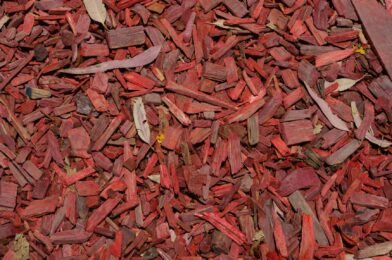
Now that we’ve established why mulching is beneficial, you might wonder about the types of mulch available. Generally, mulches are divided into two categories: organic and inorganic. Organic mulches, such as straw, wood chips, or shredded leaves, offer the added bonus of enriching the soil as they decompose. They improve soil structure, promote beneficial microorganism activity, and enhance nutrient availability for your plants.

On the other hand, inorganic mulches, like gravel or landscape fabric, provide a long-lasting solution without the need for replenishment. They are excellent for low-maintenance gardens and can even create a clean, visually appealing look. However, while they control weeds and retain moisture, they don’t contribute nutrients to the soil. The choice between organic and inorganic ultimately depends on your gardening goals and preferences. What kind of results do you want to achieve in your garden?

How to Apply Mulch Effectively

One common mistake among novice gardeners is applying mulch too thickly. Ideally, a layer of 2-4 inches is sufficient. Too much mulch can suffocate plant roots and hinder water absorption. Start by clearing the area around your plants, removing any weeds or debris. Next, gently mound your chosen mulch around the base of the plants, making sure to leave some space around the stems to avoid rot. It’s an art as much as it is a science, but practice makes perfect!

When choosing the right time to mulch, the optimal period is in late spring or early summer when the soil has warmed up. This timing allows your plants to benefit from the moisture retention and cooler soil temperatures during the hottest months. However, you can also apply a layer of mulch in the fall to insulate perennials against harsh winter temperatures. This dual-purpose technique can lead to a more robust garden come spring. Are you ready to get your hands dirty?

Common Mulching Mistakes to Avoid

Another pitfall is mulching too close to the base of the plants, which can create moisture and lead to rot. Keeping a small distance from the stems allows for adequate air circulation. Remember, a well-mulched garden is a happy garden! The more informed you are, the better your garden will thrive.

Conclusion: Mulch Your Way to Success!