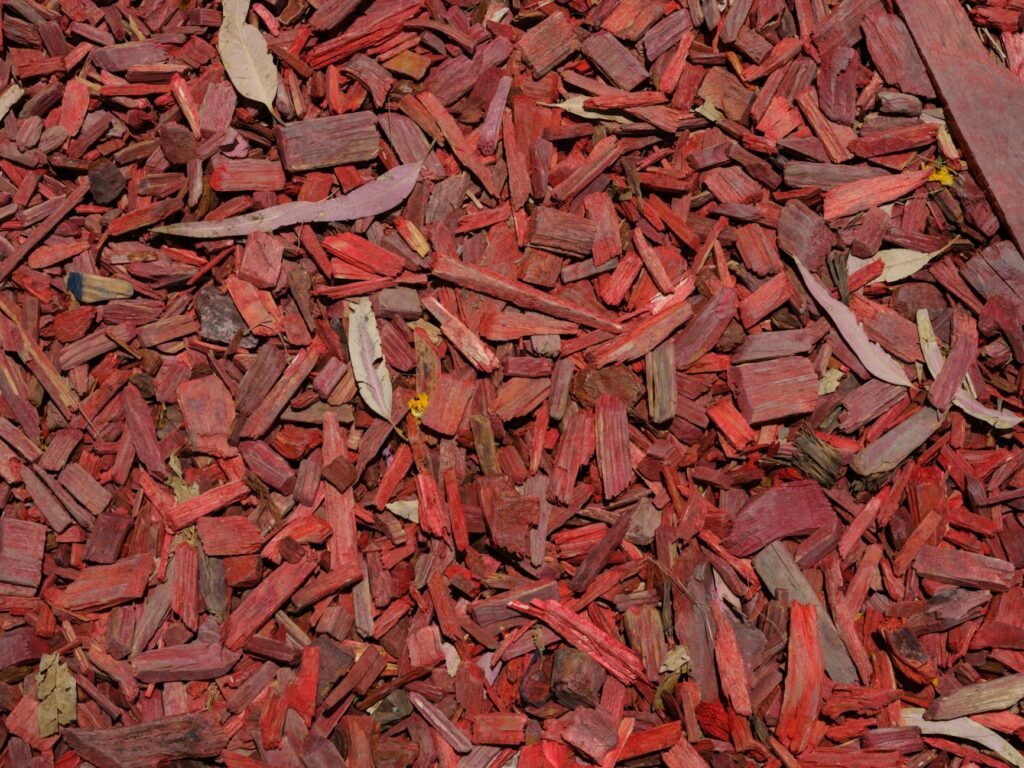
Mulching Made Simple: Why Your Plants Need It
Have you ever walked through a garden and marveled at the vibrant colors and healthy plants, wondering what the secret to their success is? You might be surprised to learn that one of the simplest, yet most effective techniques is often overlooked: mulching. This often underappreciated gardening practice can transform your plants’ health and the efficiency of your garden. If you’re looking to elevate your gardening game, here’s why mulching deserves a prime spot on your to-do list.
Imagine a sprawling garden filled with lush greenery, where each plant thrives in its environment. It’s not just luck—it’s mulching at work. By placing a layer of organic or inorganic material on the soil’s surface, you can create a protective barrier for your plants. But what exactly does this mean for your gardening efforts? The truth is, mulching isn’t just about aesthetics; it plays a vital role in plant health, moisture retention, and weed control, making it a must for any gardener.
The Benefits of Mulching
The first question that might pop into your mind is, “What benefits does mulching actually provide?” Let’s break it down. One of the standout advantages of mulching is its ability to retain soil moisture. When you apply a layer of mulch, it acts as a barrier against evaporation. Think of it as a cozy blanket for your soil! This is particularly beneficial during hot summer months when plants are most vulnerable. In fact, many gardeners report needing to water their plants less frequently after adopting a mulching strategy.
Moreover, mulching contributes to temperature regulation in the soil. It keeps the ground cooler in the summer and warmer in the winter, providing a stable environment for roots. An anecdote that highlights this benefit comes from a gardener named Sarah, who experienced a significant increase in the health of her tomatoes after she began mulching. She found that her plants not only thrived better in the summer heat but also produced fruit earlier in the season than those without mulch. Isn’t it amazing what a simple layer of material can achieve?
Weed Control
Have you ever felt overwhelmed by the persistent presence of weeds in your garden? You’re not alone! Weeds can choke the life out of your beloved plants, competing for essential nutrients and water. Here’s the thing: mulching serves as an effective natural weed barrier. By blocking sunlight from reaching the soil, mulch inhibits weed germination, making it more difficult for unwanted plants to take root. Think of that as giving your garden a fighting chance against their relentless invaders.
For example, a friend of mine, Mike, was struggling with a particularly nasty weed problem in his flower beds. After applying a thick layer of shredded bark mulch, he noticed that the weeds drastically reduced. In a matter of weeks, his flowers flourished without the stress of competition. Now, he swears by mulching as a crucial part of his garden maintenance routine. Could this simple method be the answer to your weed woes?
Organic Versus Inorganic Mulch
Now that we’ve established why mulching is beneficial, you might wonder about the types of mulch available. Generally, mulches are divided into two categories: organic and inorganic. Organic mulches, such as straw, wood chips, or shredded leaves, offer the added bonus of enriching the soil as they decompose. They improve soil structure, promote beneficial microorganism activity, and enhance nutrient availability for your plants.
On the other hand, inorganic mulches, like gravel or landscape fabric, provide a long-lasting solution without the need for replenishment. They are excellent for low-maintenance gardens and can even create a clean, visually appealing look. However, while they control weeds and retain moisture, they don’t contribute nutrients to the soil. The choice between organic and inorganic ultimately depends on your gardening goals and preferences. What kind of results do you want to achieve in your garden?
How to Apply Mulch Effectively
One common mistake among novice gardeners is applying mulch too thickly. Ideally, a layer of 2-4 inches is sufficient. Too much mulch can suffocate plant roots and hinder water absorption. Start by clearing the area around your plants, removing any weeds or debris. Next, gently mound your chosen mulch around the base of the plants, making sure to leave some space around the stems to avoid rot. It’s an art as much as it is a science, but practice makes perfect!
When choosing the right time to mulch, the optimal period is in late spring or early summer when the soil has warmed up. This timing allows your plants to benefit from the moisture retention and cooler soil temperatures during the hottest months. However, you can also apply a layer of mulch in the fall to insulate perennials against harsh winter temperatures. This dual-purpose technique can lead to a more robust garden come spring. Are you ready to get your hands dirty?
Common Mulching Mistakes to Avoid
Another pitfall is mulching too close to the base of the plants, which can create moisture and lead to rot. Keeping a small distance from the stems allows for adequate air circulation. Remember, a well-mulched garden is a happy garden! The more informed you are, the better your garden will thrive.