Growing Cucumbers in Small Spaces: Tips That Work
Have you ever stared at a tiny balcony or a small backyard and thought, “Could I really grow my own cucumbers here?” You’re not alone. Many urban gardeners face the challenge of limited space but still crave the taste of homegrown vegetables. The truth is, with a little creativity and the right techniques, you can cultivate delicious cucumbers even in the most confined areas. Isn’t it exciting to imagine plucking fresh produce from your own garden, no matter how small?
Cucumbers are among the most rewarding vegetables to grow, offering crisp textures and refreshing flavors. They can be used in salads, sandwiches, and even cocktails! But small-space gardening doesn’t just mean cramming plants together; it’s about making smart choices that maximize your area. So, are you ready to transform your little nook into a thriving cucumber patch? Let’s dig into some expert tips that will make it possible!
Choosing the Right Variety
One of the first steps to successful cucumber gardening is selecting the right variety. Not all cucumbers are created equal—some are better suited for smaller spaces than others. For instance, consider growing bush varieties like ‘Organic Spacemaster’ or ‘Bush Champion.’ These compact options are perfect for container gardening, thriving without sprawling all over your patio or balcony.
When I first attempted to grow cucumbers in a small space, I made the mistake of choosing a vining variety. It quickly took over every inch of my limited area and even started creeping into my neighbor’s garden! That experience taught me that knowing your plants is key. The right variety will not only fit your limited area but also yield plenty of fruit. So, what will you choose for your tiny garden?
Utilizing Vertical Space
Vertical gardening is a game-changer for small spaces. Instead of letting your cucumber plants spread across the ground, give them a structure to climb. A trellis, fence, or even a simple set of stakes can make a significant difference. By training your cucumbers to grow upwards, you’ll free up valuable ground space for other plants while also improving air circulation around your cucumbers, reducing the risk of disease.
In my own garden, I built a simple trellis out of repurposed wood, which not only saved space but also added a decorative element to my patio. Watching the vines climb higher and higher was a rewarding experience, and I soon found myself harvesting cucumbers in abundance. Remember, the sky’s the limit—how will you support your cucumbers on their vertical journey?
Optimal Soil and Planting Techniques
The foundation of any successful garden is quality soil. Cucumbers thrive in well-draining, nutrient-rich soil. If you’re growing in containers, look for a high-quality potting mix that provides the right balance of moisture retention and drainage. Remember, containers should have sufficient drainage holes to prevent waterlogging, which can lead to root rot.
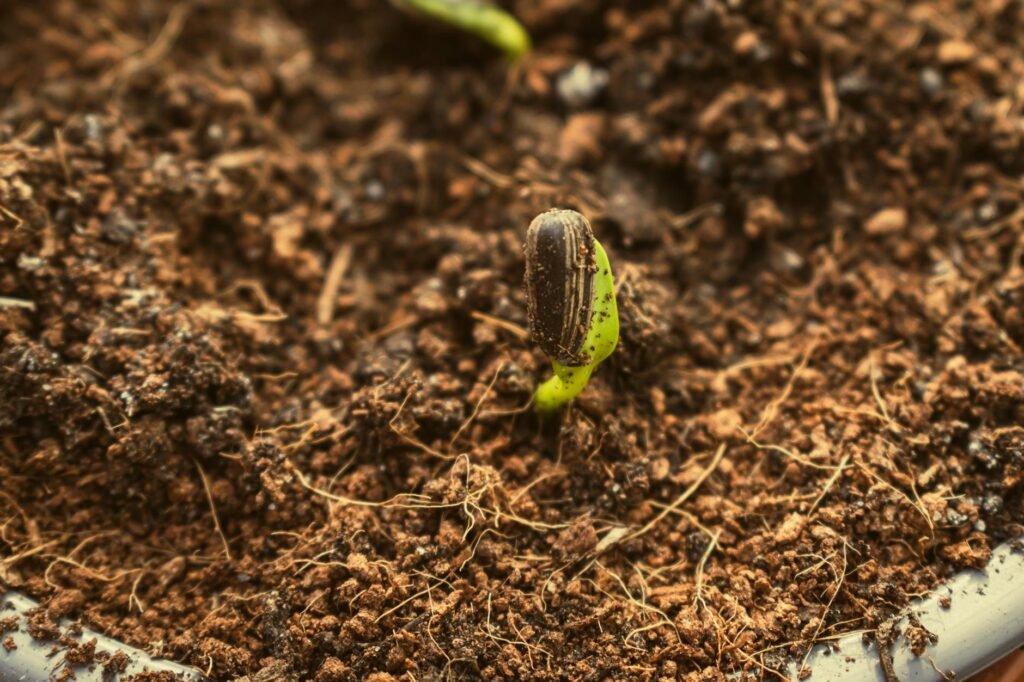
When planting, aim for a depth of about an inch for seeds or place seedlings at the recommended depth, depending on the variety. I learned early on that spacing is critical; even in small gardens, overcrowding results in poor air circulation and diminishes yields. Aim for a spacing of about 12 to 18 inches for bush varieties and 36 inches for vining types, especially if they’re on a trellis. With good soil and the right techniques, your cucumbers will thrive!
Watering Wisely
Watering can make or break your cucumber crop. Cucumbers have high water needs, particularly during the fruiting stage. However, it’s essential to find a balance; overwatering can be just as detrimental as underwatering. Ideally, you want to keep the soil consistently moist without saturating it.
During my first cucumber-growing season, I discovered the benefits of drip irrigation. This method allowed me to provide a steady supply of moisture directly to the roots without wetting the leaves, which can encourage fungal diseases. Another effective technique is to use self-watering containers that help to maintain consistent moisture levels. Remember, what’s your strategy for keeping those plants hydrated?
Pest Management in Small Spaces
Every gardener fears pests invading their precious plants, especially when space is limited. The good news is that managing pests doesn’t require a chemical arsenal. Simple prevention strategies can go a long way. Start by keeping your garden clean; remove any debris that could harbor pests, and practice crop rotation if you can.
In my own experience, introducing companion plants such as marigolds can deter cucumber beetles while attracting beneficial insects like ladybugs, which help control aphids. Additionally, using netting or row covers can protect your young seedlings from pests. Here’s a thought: how might you create a pest barrier for your own cucumbers?
Harvesting for Maximum Flavor
Finally, the moment of truth—harvesting your cucumbers! Timing is crucial; cucumbers should be picked when they’re young and firm, usually around 6 to 8 inches long, depending on the variety. If left on the vine too long, they can become bitter and seedy, which is not what we’re after.
I remember my first cucumber harvest. I was so excited that I picked them early one afternoon. The satisfaction of enjoying that fresh taste, picked just moments ago, made all the effort worthwhile. Harvesting regularly also encourages the plant to produce more, so don’t be shy; get out there and reap the rewards of your hard work!
Growing cucumbers in small spaces may seem challenging, but with the right mindset and strategies, it can be a delightful experience. From selecting the right variety and utilizing vertical space to practicing wise watering techniques and managing pests, you can create a healthy cucumber garden. Have you tried any of these methods before? What are your plans for growing cucumbers this season?
Don’t forget to share your gardening successes and challenges! Let’s inspire one another—drop a comment below or share this article with fellow garden enthusiasts!