How to Grow Peppers: From Seedling to Spicy Harvest
Imagine biting into a juicy, home-grown pepper, bursting with flavor, and just the right amount of heat. Not only do they add zest to your dishes, but growing peppers can also be a rewarding gardening experience. Whether you’re a seasoned gardener or just starting out, you might be surprised by how straightforward it is to cultivate your own vibrant pepper plants. Have you ever thought about the journey from seedling to spicy harvest? Let’s explore that fascinating process!
Many gardeners often overlook the potential of growing peppers, thinking they require too much effort. Here’s the truth: with the right conditions and a sprinkle of patience, you can enjoy a bountiful harvest. From sweet bell peppers to fiery jalapeños, there are countless varieties to choose from, each bringing its own unique flavor profile to your meals. So, how do you get started? Let’s dive into the essentials of growing peppers, ensuring your garden is overflowing with color, flavor, and spice!
Choosing the Right Pepper Varieties
Before you even think about planting, it’s crucial to select the right pepper varieties for your climate and taste preferences. Sweet peppers, like bell peppers and banana peppers, tend to be milder, while hot peppers, such as habaneros and serranos, can pack quite a punch. Do you want to spice up your salsa or simply add crunch to salads? Your choice matters!
Consider starting with a few popular varieties that are relatively easy to grow. For example, ‘California Wonder’ is a classic bell pepper known for its crisp texture and flavor. On the spicy side, ‘Serrano’ peppers are a favorite among salsa enthusiasts and add a delightful kick without overwhelming heat. By selecting a variety that meets your culinary needs, you’re setting yourself up for a successful growing season.
Starting Your Peppers from Seeds
Once you’ve selected your preferred pepper varieties, it’s time to get your hands dirty. Starting peppers from seeds can be a fun and educational experience. You’ll need seed trays and a high-quality seed-starting mix. Fill the trays with the soil mix, and gently press the seeds into the soil about a quarter-inch deep. Water them lightly and place the trays in a warm, sunny spot. Here’s a little tip: peppers love warmth, so maintaining a temperature between 70°F and 85°F will help them germinate faster.
In about 7 to 14 days, you should start to see those tiny green shoots emerge. Once the seedlings have developed their first set of true leaves, it’s time to transplant them into larger pots. This process, known as pricking out, helps to give your seedlings the space they need to grow strong and healthy. Have you ever seen a seedling thrive and grow into a robust plant? It’s nothing short of magical!
Transplanting to the Garden
With your seedlings ready for action, they’re now prepared for their new home in the garden. Choose a sunny spot that receives at least six hours of direct sunlight. Prior to planting, it’s wise to amend the soil with organic matter or compost to enhance its fertility. When the last frost has passed and the soil has warmed, you can begin transplanting your pepper plants.
Space your plants about 18 to 24 inches apart to allow for adequate air circulation. When planting, ensure the root ball is level with the soil surface to avoid overwatering issues. Here’s a personal story: I remember my first experience transplanting peppers; I was nervous! I gently placed each seedling into the ground, thinking about how these tiny plants would soon become vibrant contributors to my summer dishes. The anticipation was part of the joy!
Watering and Care for Healthy Growth
Once your peppers are in the ground, proper watering and care are paramount. Peppers prefer consistent moisture but detest soggy soil. A good rule of thumb is to water them deeply once a week, allowing the top few inches of soil to dry out between watering. This helps encourage deeper root growth and contributes to stronger plants.
Fertilization is also key to ensuring your peppers thrive. A balanced fertilizer, applied every four to six weeks, will provide the nutrients they need to produce those prized fruits. Have you ever wondered why some gardeners have massive pepper harvests? Often, it’s due to their commitment to maintaining proper nutrition for their plants. It does take some effort, but the end result is so rewarding!
Harvesting Your Peppers
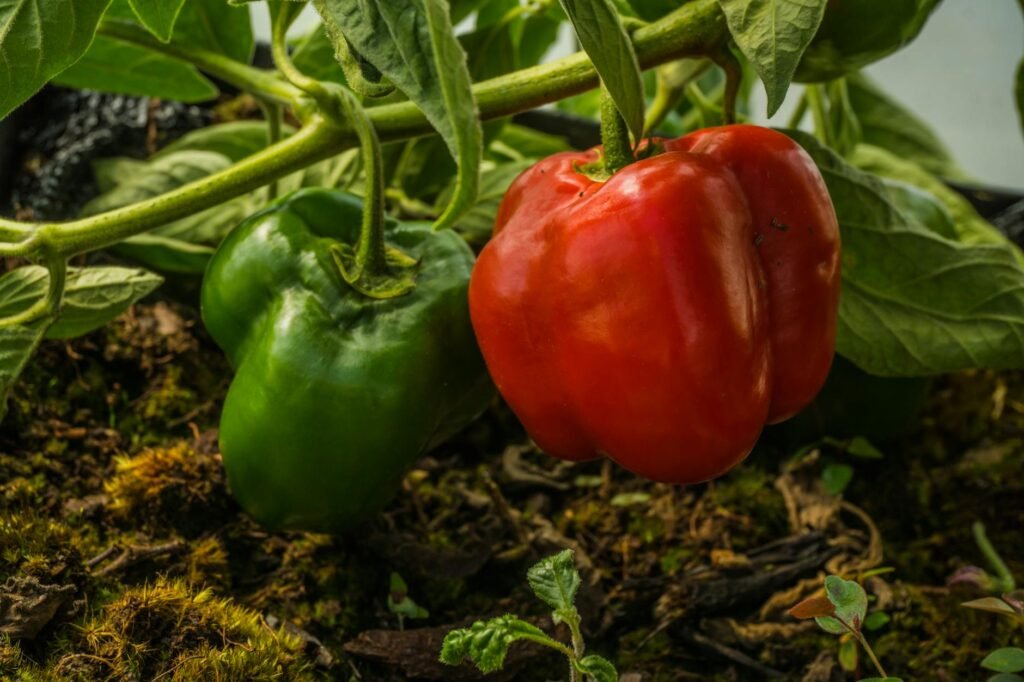
After weeks of care, you’ll eventually find yourself eagerly awaiting the harvest. The beauty of peppers is that you can pick them at various stages of ripeness. Green peppers are simply unripe versions of their colorful counterparts. Allowing them to ripen further will yield reds, yellows, and oranges, each with a unique taste and sweetness.
To harvest, gently twist the pepper off the plant or use pruning shears to avoid damaging the fruit or the plant itself. Here’s a little secret: the longer you leave the peppers on the plant, the sweeter they become, as the sugars develop during ripening. So, if you’re not in a hurry, let those beauties bask in the sun a little longer!
Storing and Using Your Harvest
After your peppers have been harvested, it’s essential to know how to store and use them effectively. Fresh peppers can be kept in the refrigerator for about a week. If you’re looking to preserve some of your harvest, consider freezing them! Simply wash, chop, and place them in freezer bags for later use in soups, stews, or stir-fries.
Additionally, you can explore various ways to enjoy your peppers: roasting, adding them to salsas, or incorporating them into your favorite stir-fry recipes. One memorable dish I created with my home-grown peppers was a vibrant stuffed pepper casserole, packed with flavor and color. The satisfaction of cooking with ingredients you’ve nurtured from the ground up is unparalleled!
By now, you’ve learned the essential steps to grow peppers—from selecting the right variety to harvesting and enjoying your crop. So, are you ready to embark on this spicy gardening adventure? With a little effort, you can fill your kitchen with fresh, homegrown peppers that will elevate your culinary game.
Do you have any tips or experiences growing peppers of your own? Share your thoughts in the comments below, and let’s spice up the gardening conversation!