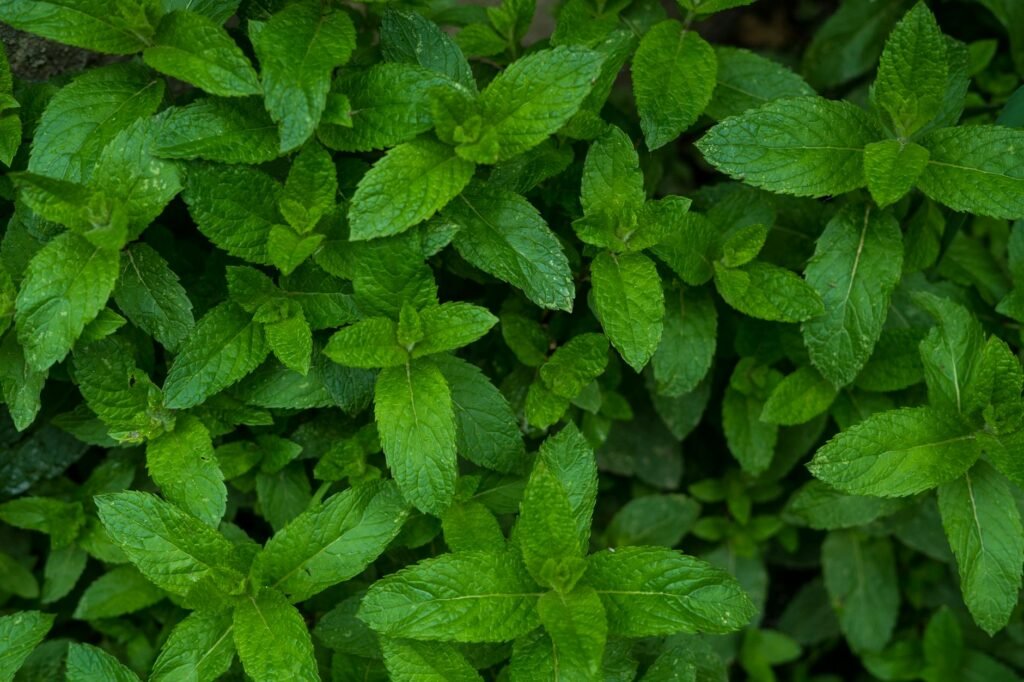
Mastering Mint: How to Grow It Without Taking Over Your Garden
Have you ever planted mint, only to find it spreading like wildfire and overtaking your garden? You’re not alone! Many gardeners find themselves in a battle with this fragrant herb, which can quickly go from a delightful addition to a garden nightmare. What if I told you that growing mint successfully without letting it run rampant is entirely possible? With the right strategies, you can enjoy fresh mint leaves without the chaos.
Mint is not only aromatic and flavorful, but it also offers numerous uses in the kitchen, from enhancing cocktails to elevating salads. However, the truth is, if not carefully managed, mint can become invasive. It spreads through vigorous runners, which is why many gardeners are wary of planting it. Let’s explore effective methods to cultivate mint while keeping its ambitious nature in check.
Choosing the Right Planting Method
One of the best ways to prevent mint from taking over your garden is by selecting the right planting method. Consider using containers as your first line of defense. A large pot or container allows you to control the roots, which can be particularly beneficial in preventing them from spreading into your garden beds. For instance, I once planted mint in a sizeable ceramic pot, ensuring it had adequate drainage. The result? A thriving mint plant that provided fresh leaves throughout the summer without invading my flower beds.
Alternatively, if you prefer to plant mint directly in your garden, create a designated space by using barriers. Burying a plastic or metal edging material about 12 inches deep around the mint’s planting area can effectively restrict its growth. This simple strategy can make all the difference in keeping your garden organized and preventing mint from becoming the dominant force.
Understanding Water and Soil Needs
Mint thrives in moist, well-drained soil. However, too much moisture can lead to root rot, which is something every gardener fears. When I first started growing mint, I learned this lesson the hard way. After overwatering my plants, I discovered that a well-draining mix was essential. The key here is balance; ensure you give your mint enough water without drowning it. A good rule of thumb is to check the soil regularly. If the top inch feels dry, it’s time to water.
Moreover, consider the type of soil you’re using. Mint prefers a slightly acidic to neutral pH level. A mixture of compost and garden soil can provide the nutrients necessary for healthy growth while also ensuring proper drainage. By understanding and catering to your mint plant’s needs, you’ll be better equipped to maintain a vibrant herb without letting it take over your plot.
Regular Pruning: Keeping Mint in Check
Pruning is an essential practice if you’re serious about controlling mint’s growth. By snipping back the tops of the plant regularly, you can encourage bushier growth and prevent it from getting leggy. Not to mention, pruning can help redirect the plant’s energy towards producing more flavorful leaves rather than spreading outwards. I often enjoy a refreshing mojito during summer, and I make it a habit to prune my mint before gathering the leaves. This not only gives me a denser plant but also keeps my garden looking tidy.
Another pruning tactic involves cutting back the plant by a third at the end of the growing season. This helps prepare it for winter and can prevent excessive growth the following year. Ultimately, regular trimming helps you enjoy mint’s delightful flavors while keeping it contained in your garden.
Companion Planting for Success
Companion planting can provide an additional layer of control over mint’s invasive tendencies. By strategically placing mint near certain plants, you can create a natural barrier. For example, marigolds are known for their ability to deter pests while also providing a beautiful splash of color. Planting them alongside mint can help manage its growth while attracting beneficial insects to your garden.
Furthermore, other herbs like basil or rosemary can also coexist with mint, as they have similar needs. This not only utilizes garden space efficiently but can also create a micro-ecosystem that lessens the risk of mint taking over. Have you ever considered how different plants can positively influence each other? The symbiotic relationships in gardening can often lead to more abundant harvests.
Harvesting Wisely
How you harvest mint also plays a role in controlling its spread. While it’s tempting to take large quantities for cooking, it’s better to harvest selectively. Aim to take only a few leaves from each stem, allowing the plant to continue growing robustly. Additionally, you might want to consider harvesting during the morning when the leaves are at their most flavorful and aromatic. This practice not only helps maintain the plant’s health but also prolongs your mint supply throughout the growing season.
Interestingly, mint can be dried or frozen for later use. If you find your mint bush thriving, this might be a great way to preserve its essence beyond the summer months. Just remember to leave enough foliage on the plant to encourage further growth.
Conclusion: Find Your Mint Balance
Growing mint can be a delightful experience, but it requires a thoughtful approach to prevent it from overpowering your garden. With the right planting methods, regular pruning, and companion planting, you can enjoy the benefits of mint without the chaos. So, what are you waiting for? Are you ready to cultivate a mint garden that won’t take over every inch of space? Share your thoughts below or ask any questions as you embark on your mint-growing journey!