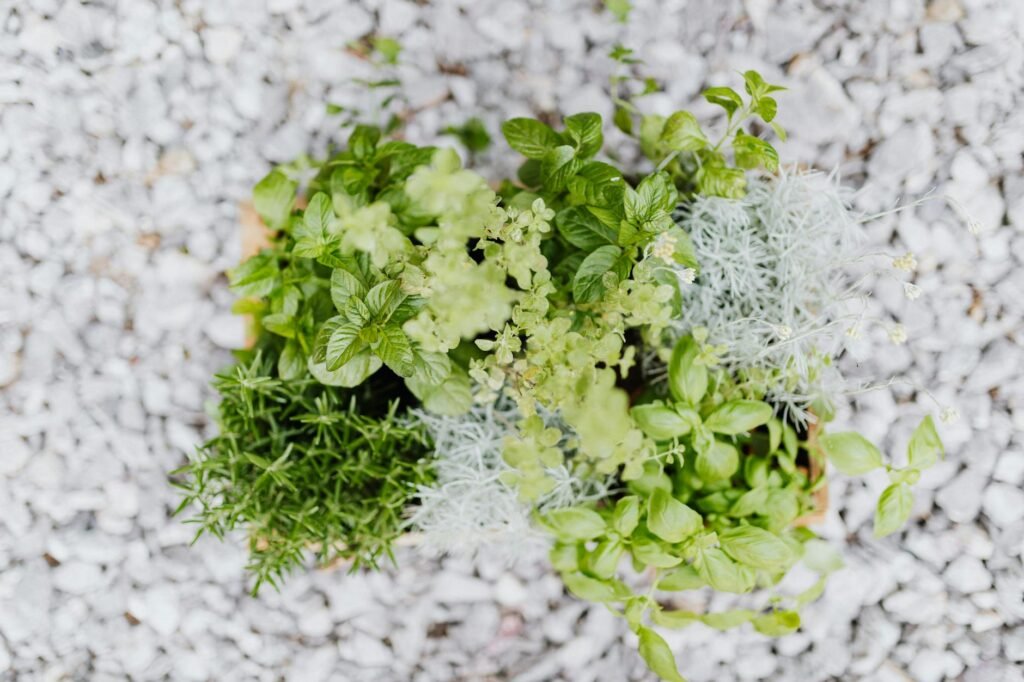
Top 10 Herbs Every Beginner Gardener Should Grow
Have you ever wanted to step outside your door and snip fresh herbs for dinner? Imagine the aroma of basil wafting through your kitchen or the bright, zingy flavor of homegrown cilantro accentuating your tacos. For beginner gardeners, starting an herb garden can be a rewarding experience that enhances your cooking, adds beauty to your home, and connects you to nature. But with so many options, where do you begin?
Truth is, not all herbs are created equal. Some are notoriously tricky to grow, while others thrive even in less-than-ideal conditions. In this guide, we’ll explore the top 10 herbs that even novice green thumbs can cultivate with ease. These herbs are versatile, flavorful, and perfect for any dish, not to mention they’ll give your garden a delightful touch of green. Let’s dig in!
Basil: The Culinary Favorite
Basil is arguably the most popular herb for home cooks, and for good reason. Its sweet, peppery flavor enhances pesto, salads, and various Italian dishes. Here’s the thing: basil is also incredibly easy to grow, whether in pots on your windowsill or directly in the garden bed. Just make sure it gets plenty of sunlight—at least six hours a day—and keep the soil consistently moist. When you prune the leaves, don’t be shy; regular trimming encourages bushier growth.
One summer, I decided to grow a few basil plants in my patio garden. I was amazed at how quickly they flourished! By mid-July, I had enough basil to whip up a large batch of homemade pesto, which I shared with friends. The joy of eating something you’ve nurtured yourself is unparalleled. Can you imagine the satisfaction of sharing your own culinary creations with loved ones?
Cilantro: The Versatile Herb
If you enjoy Mexican, Indian, or Asian cuisines, cilantro should be on your must-grow list. Known for its distinct flavor, cilantro can elevate salsas, curries, and salads. As an annual herb, it grows quickly and can be harvested multiple times throughout the season. The biggest challenge? Keeping it cool. Cilantro prefers cooler temperatures, so plant it in early spring or late summer to avoid the heat of midsummer.
I once had a neighbor who transformed her small balcony into a mini herb haven. She grew cilantro alongside tomatoes and peppers, creating a vibrant little ecosystem. The best part? She would often invite us over for homemade salsa that featured her fresh cilantro. Isn’t it amazing how one small plant can bring so much flavor and joy into your life?
Mint: The Refreshing Delight
Mint is a must-have for any herb garden. Whether you’re crafting refreshing mojitos or adding it to salads, this herb is a true showstopper. However, be cautious; mint spreads like wildfire. Plant it in a pot or a confined space to prevent it from overtaking your garden. Mint thrives in partial shade and enjoys moist soil, making it a great choice for beginners.
Last summer, I planted mint in a large container, and it became the pride of my garden. It not only flourished but also attracted pollinators, enhancing the beauty of my outdoor space. When you take a whiff of its invigorating aroma, you can’t help but feel rejuvenated. Have you ever used fresh mint in your drinks? The difference is simply astounding!
Chives: The Onion’s Cousin
Chives are often overlooked, yet they pack a flavorful punch. With their mild onion taste, chives add a subtle kick to salads, soups, and omelets. Plus, they’re perennial, meaning they return year after year with minimal effort. Chives thrive in sunny spots and well-draining soil, making them perfect for beginner gardeners looking for a low-maintenance herb.
A couple of years ago, I planted a small patch of chives in my garden. To my surprise, they popped up early in the spring, even when the rest of my garden was still waking up. The first time I sliced them into a creamy potato soup, I was hooked. Does the thought of growing something that enhances your meals excite you? It’s a small step toward becoming a confident gardener.
Rosemary: The Aromatic Staple
Rosemary is not only a culinary delight but also a stunning addition to any garden with its beautiful, needle-like leaves and vibrant flowers. This hardy perennial loves full sun and well-drained soil, making it a favorite among beginner gardeners. Plus, how satisfying is it to toss fresh rosemary into roasted meats or vegetables? The aroma alone is worth the effort.
When I first started growing rosemary, I planted it near my barbecue grill. Every time I fired up the grill, I would snip off a few sprigs to flavor my dishes. My friends always commented on the delicious aroma wafting from the grill, and I felt a sense of pride knowing it was all thanks to my herb garden. Have you thought about where you could incorporate rosemary in your meals?
Parsley: The Kitchen Workhorse
Often underestimated, parsley is a kitchen essential that deserves a spot in your garden. Not only is it a fantastic garnish, but it also brings a fresh flavor to many dishes. It grows well in both sunny and partially shaded areas, making it forgiving for new gardeners. You can also choose between flat-leaf and curly varieties, each offering a unique flair for your cooking.
I once attended a dinner party where the host used freshly chopped parsley in her salad. It made the dish pop visually and added that extra layer of flavor that made it unforgettable. With such versatility and ease of growth, how could you say no to adding parsley to your herb collection?
Thyme: The Flavorful Accent
Thyme is a versatile herb that can enhance everything from roasted meats to soups and stews. It thrives in full sun and is drought-resistant, making it perfect for beginner gardeners who may forget to water occasionally. Plus, thyme can be harvested throughout the growing season, which means you’ll have a steady supply of fresh flavor at your fingertips.
A friend of mine once shared a recipe for braised chicken with thyme that changed my culinary game forever. When I started growing thyme, I realized how easy it was to incorporate fresh herbs into my cooking. The flavors are remarkably more vibrant than dried alternatives. Have you ever thought about how fresh herbs could elevate your meals?
Oregano: The Italian Essential
If you love Italian cuisine, oregano should be on your radar. This hardy perennial requires little care and can be grown indoors or outdoors, making it the perfect addition for beginner gardeners. Oregano’s robust flavor makes it a staple for sauces, pizzas, and Mediterranean dishes. It thrives in sunny spots and well-drained soil, adding another layer of ease to its cultivation.
When I first started experimenting with homemade pizza, I always reached for the dried oregano. But then I decided to grow my own, and the flavor was next-level! I remember the first time I sprinkled fresh oregano on a pizza straight from my garden. The laughter and compliments from my friends made all the effort worthwhile. It’s that kind of joy I want you to experience as well!
Sage: The Earthy Herb
Sage is beloved for its earthy flavor, particularly in stuffing and roasted dishes. It prefers full sun and well-draining soil, making it a relatively low-maintenance herb. The leaves are soft and velvety, providing a beautiful contrast to other herbs in your garden. Sage can be harvested throughout the year, and it pairs wonderfully with hearty meals, making it a valuable addition to any kitchen.
I once attended a holiday gathering where the host used fresh sage in her stuffing. The aroma filled the kitchen and created a warm, inviting atmosphere. After that, I decided to grow my own sage, and it quickly became a cherished herb in my collection. The satisfaction of using something I nurtured myself to create delightful meals is a feeling like no other.
Conclusion: Your Herb Journey Awaits
Starting your herb garden can be an exciting adventure filled with flavor, creativity, and connection to nature. With these ten beginner-friendly herbs, you’ll be well on your way to enhancing your culinary experience while enjoying the beauty of gardening. Are you ready to dig in and cultivate your own flavorful oasis? Share your thoughts, questions, or experiences in the comments below, and let’s grow together!