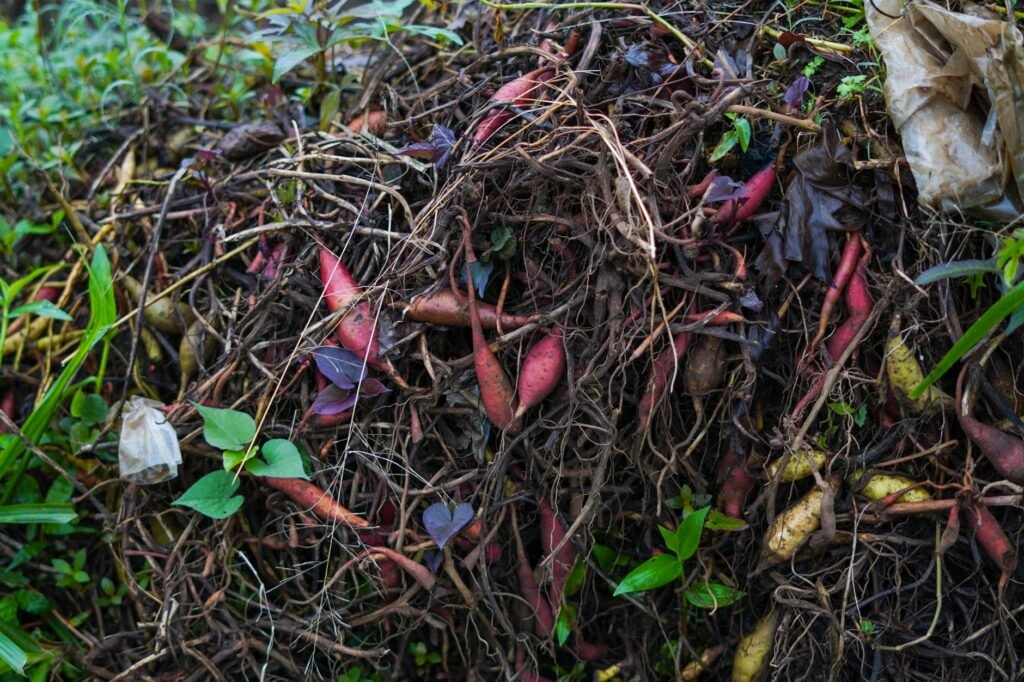
The Best Natural Fertilizers for a Thriving Garden
Have you ever wondered how some gardens seem to flourish effortlessly, bursting with vibrant colors and healthy plants? The secret often lies beneath the surface, in the soil itself. Natural fertilizers are key to promoting growth, enriching the earth, and creating an environment where plants can thrive. But which ones should you choose? Let’s explore the best options available for cultivating a garden that not only looks good but also feels good.
Truth is, many gardeners overlook the power of natural fertilizers, opting for chemical alternatives without considering their long-term impacts. These synthetic options can deplete soil health over time, while natural fertilizers enrich it. Here’s the thing: using organic solutions not only supports a healthier ecosystem but also increases the quality of your harvest. If you’re ready to dig into the world of natural fertilizers, let’s take a closer look at some top contenders for your garden.
Compost: The King of Soil Amendments
Compost is often referred to as “black gold” for a reason. This rich, organic matter is a powerhouse of nutrients that can dramatically improve soil structure and fertility. Made from decomposed kitchen scraps, yard waste, and other organic materials, compost provides a balanced diet for your plants. Did you know that compost also helps retain moisture in the soil? It creates a sponge-like effect that holds water, allowing your plants to thrive even during dry spells.
For instance, a neighbor of mine transformed her struggling vegetable garden by adding homemade compost. After just a few weeks, her tomatoes and cucumbers began to flourish, producing more than she had ever anticipated. If you want to start your compost pile, all it takes are a few kitchen scraps, some dried leaves, and a bit of patience. Turn that waste into nourishment, and watch your plants prosper!
Manure: A Traditional Garden Secret
While it might not sound glamorous, manure has been a gardener’s ally for centuries. Whether it’s cow, chicken, or horse manure, this natural fertilizer is rich in essential nutrients like nitrogen, phosphorus, and potassium. Manure not only feeds your plants but also enhances soil structure, making it more aerated and easier to work with. The key is to ensure it’s well-aged or composted before application to avoid burning your plants.
Consider a local farm that offers free or low-cost manure to community members. By utilizing this resource, gardeners can significantly reduce their fertilizer costs while providing their soil with a nutrient-rich boost. Imagine nurturing your plants with the very same natural fertilizer that has been used for generations. Does this not connect you to a larger tradition of sustainable gardening?
Bone Meal: A Nutrient-Rich Phosphorus Source
For those looking to boost root development and flowering, bone meal is a fantastic choice. This organic fertilizer is made from crushed animal bones and is rich in phosphorus, which is crucial for healthy plant growth. It’s especially beneficial for flowering plants and bulbs, ensuring they have the nutrients necessary to produce stunning blooms.
Recently, I learned about a gardener who was struggling with her perennial flowers. After incorporating bone meal into her soil mix, she noticed a remarkable difference. Her plants not only bloomed abundantly but also grew more robust and resilient. If you’re eager to improve flowering performance in your garden, consider adding bone meal to your planting routine. It’s a simple yet effective way to enhance the beauty of your space.
Fish Emulsion: A Liquid Gold for Quick Nutrient Delivery
When you think of fertilizing your garden, consider the power of fish emulsion. This liquid fertilizer, derived from fish byproducts, is packed with nutrients and is rapidly absorbed by plants. It’s particularly helpful during the growing season when your plants are in desperate need of nourishment. Fish emulsion not only stimulates growth but also improves overall plant health.
A good friend of mine swears by fish emulsion for her indoor plants. After switching from traditional fertilizers, she noticed her plants were more vibrant and produced more leaves than ever before. The rich aroma might take getting used to, but the results speak for themselves. Why not give this natural option a try? You may find that your plants respond with renewed vigor.
Wood Ash: A Potassium-Rich Boost
Don’t toss out those leftover ashes from your fireplace! Wood ash is an underrated natural fertilizer that provides potassium and lime, which can enhance plant growth and improve soil pH for certain crops. However, it’s essential to use ash sparingly, as too much can create an alkaline environment that may negatively affect some plants.
Consider this: a local community garden utilized wood ash collected from its members’ homes to fertilize their crops. The results were astounding. They saw a noticeable increase in the yield of beans and tomatoes, proving that even the simplest ingredients can lead to significant benefits. Are you ready to turn what would be waste into a valuable resource for your garden?
Final Thoughts on Natural Fertilizers
So, what are your favorite natural fertilizers to use? Have you experienced any remarkable transformations in your garden? Share your thoughts below or spread the knowledge by sharing this article with fellow gardening enthusiasts!