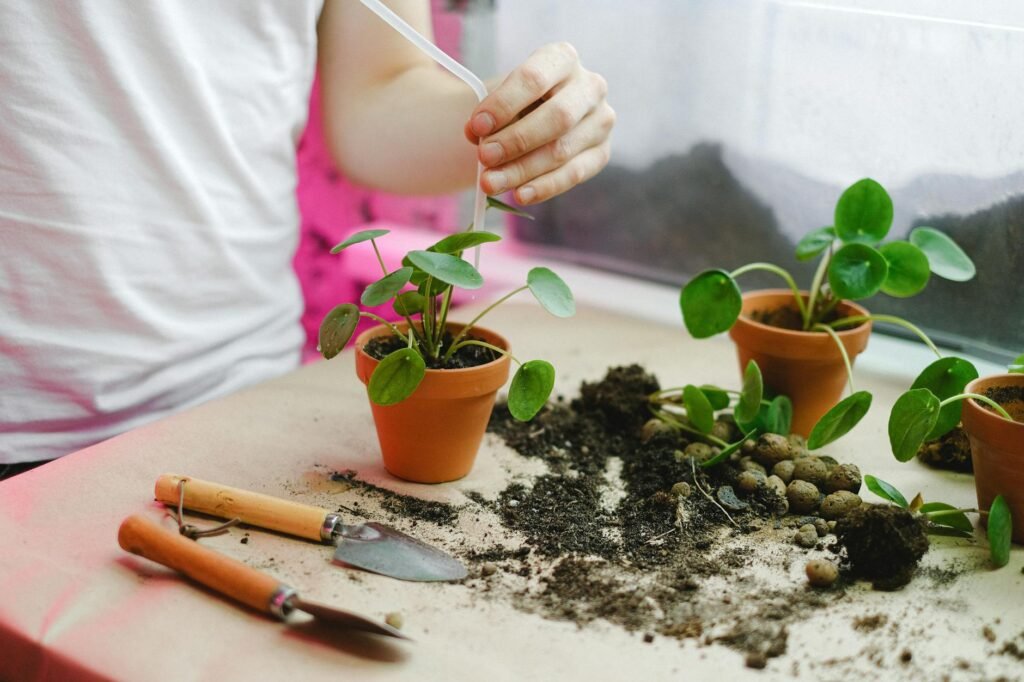
How to Test Your Garden Soil at Home: A Comprehensive Guide
Picture this: You’ve spent countless hours tending to your garden—planting, watering, and nurturing—but your plants just aren’t thriving. What’s the missing link? More often than not, it’s the soil. Healthy soil is the foundation for a vibrant garden, but how do you know if yours is up to par? The truth is, testing your garden soil at home is easier than you might think, and it’s essential for successful gardening.
So, why should you care about testing your soil? For starters, soil health directly influences nutrient availability, pH levels, and overall plant growth. Just like we need a balanced diet to thrive, plants require specific nutrients to flourish. By understanding the composition of your soil, you can make informed decisions that will lead to a more productive garden. Ready to dig in? Let’s explore the steps to test your garden soil from the comfort of your home!
Understanding Soil Composition: Why It Matters
Your garden soil isn’t just dirt; it’s a complex ecosystem filled with minerals, organic matter, and microorganisms. When we talk about soil composition, we’re referring to the balance of sand, silt, and clay. Each type of soil serves a different purpose. Sandy soil drains quickly, while clay soil retains water. Loamy soil, a blend of all three, is often considered the best for gardening. To illustrate, think about your neighbor’s garden thriving in rich, loamy soil while yours, made of sandy dirt, struggles to hold moisture. Understanding your soil’s composition will empower you to make necessary amendments to improve your plants’ health.
Gathering Your Soil Samples: The Right Way
To kick off your soil testing, you’ll need to gather samples. This is a crucial step, and doing it right will yield more accurate results. Start by choosing several areas in your garden, especially where plants seem stunted or unhealthy. Using a clean garden trowel, remove the top two to three inches of soil, as this layer often contains debris and organic matter that can skew results. Instead, dig down about six inches, collect a small sample, and place it in a bucket. Repeat this process in different areas, and mix the samples well in the bucket to create a composite sample. Remember, the more thorough you are, the more reliable your results will be!
Testing pH Levels at Home: A Simple Method
pH is a crucial factor in soil health—it affects nutrient availability, microbial activity, and even plant growth. To test your soil’s pH at home, you can use a simple method with items you likely already own. Mix one part soil with one part distilled water in a clean container, then stir in a tablespoon of baking soda. If it fizzes, your soil is acidic (below 7 pH). If it doesn’t sizzle, repeat the process with vinegar; if it fizzes, your soil is alkaline (above 7 pH). Here’s the thing: most garden plants prefer a pH between 6.0 and 7.5 for optimal growth. Knowing your soil’s pH will guide you in making appropriate adjustments.
Examining Nutrient Levels: The DIY Soil Test Kit
If you’re keen to delve deeper into your soil’s nutritional profile, investing in a DIY soil test kit is a smart move. These kits often include tests for nitrogen, phosphorus, and potassium—the three main nutrients crucial for plant growth. Follow the instructions to mix your soil sample with the testing solutions provided in the kit. For example, when I first tested my garden soil, I was shocked to find that it lacked potassium, leading to stunted plant growth. By adding the right nutrients, I was able to transform my garden into a lush paradise!
Amending Your Soil: The Next Steps
Once you have the results from your tests, it’s time to take action. If your soil is too acidic, you may need to add lime to raise the pH. Conversely, if it’s too alkaline, sulfur could help lower it. For nutrient deficiencies, organic fertilizers like compost or well-rotted manure can be game-changers. What most people miss is that improving soil health is not an overnight process—consistency is key. Regular testing and amendments over time will yield the best results. After all, a thriving garden doesn’t just happen; it’s cultivated with care!
When to Test Your Soil: Timing is Key
Knowing when to test your garden soil is just as important as how to test it. Ideally, testing should be done once a year, preferably in the spring or fall when the soil is neither too wet nor too dry. This timing allows you to address any deficiencies before planting season begins. I remember one year, I tested in the late summer, only to realize my soil needed significant amendments before I could plant my fall crops. Don’t make the same mistake—plan your soil testing wisely to optimize your garden’s potential!
Sharing Your Findings: Community Matters
After testing and amending your soil, why not share your findings with fellow gardening enthusiasts? Whether it’s at a local gardening club, on social media, or even in an online forum, sharing your experiences can help others learn from your journey. For instance, when I shared my story about transforming poor soil into a thriving garden, I received an outpouring of advice and tips that enriched my gardening knowledge. Plus, helping others fosters a sense of community that can enhance your own gardening pursuits.
Your garden soil is more than just a growing medium; it is a living entity that requires attention and care. By testing your soil at home, you empower yourself to create the best environment for your plants. What’s stopping you? Grab your tools, gather your samples, and embark on the journey toward a healthier garden today! Have you tested your soil before? What were your findings? Share your thoughts in the comments below!