Container Gardening for Beginners: Grow Anything on Your Patio
Have you ever dreamed of having a lush garden but feel limited by space? Picture this: a vibrant array of flowers, fresh herbs, and even vegetables, all thriving on your small patio or balcony. It might sound like a fantasy, but container gardening makes it a reality. Whether you’re a busy professional, a city dweller, or simply someone looking to add a touch of greenery to your life, container gardening is the perfect solution.
Many people overlook the potential of container gardening, thinking it’s only for seasoned gardeners. The truth is, with just a few basic tools and some helpful tips, anyone can transform their outdoor space into a mini oasis. Have you ever wanted to enjoy fresh basil for your pasta or vibrant marigolds to brighten your day? With container gardening, you can grow a variety of plants, all within arm’s reach. Let’s explore how you can kickstart your container gardening journey!
Choosing the Right Container
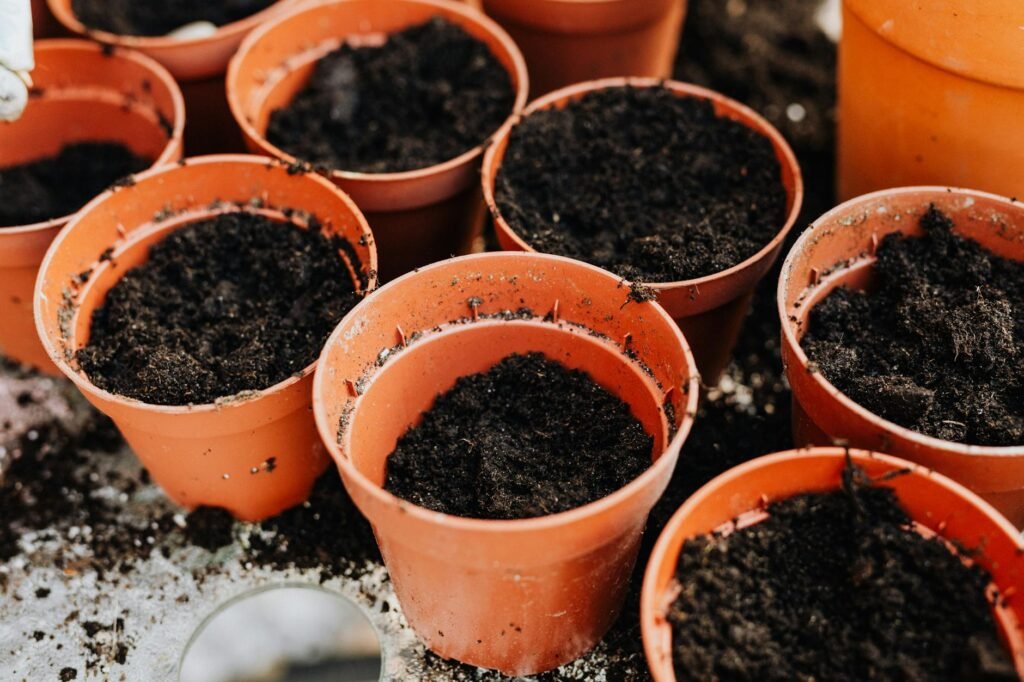
The first step in your container gardening adventure is selecting the right pots or containers. You might think any old bucket will do, but the truth is, the type of container can significantly impact your plants’ growth. Consider materials like clay, plastic, or metal. Each has its advantages—clay pots offer breathability, while plastic containers are lightweight and versatile. Imagine a classic terracotta pot filled with vibrant geraniums; it adds character while providing great drainage.
When choosing size, larger containers are often better as they retain moisture and provide ample space for roots to grow. A common mistake beginners make is opting for too small of a pot. This can stunt plant growth. So, here’s the question: Do you want your plants to thrive or just survive? Aim for a container that’s at least 12 inches in diameter for most flowers and herbs. Remember, the aesthetic appeal is as important as functionality!
Soil and Drainage: The Foundation of Success
Many new gardeners underestimate the importance of soil quality. Using the right potting mix is crucial for the health of your plants. Garden soil is too dense and can lead to poor drainage in containers. Instead, opt for a high-quality potting mix, which is specifically designed to retain moisture yet allow for adequate drainage. Imagine trying to grow your precious tomatoes in mud; it just won’t work!
Don’t forget about drainage holes. Most containers should have them to prevent water from pooling at the bottom. If you’re using a non-draining container, like a decorative ceramic pot, consider placing a layer of gravel at the bottom to enhance drainage. At the end of the day, healthy roots lead to healthy plants—and healthy plants yield better produce or blooms. Have you checked if your containers have drainage holes yet?
Choosing the Right Plants
Now comes the exciting part: selecting the plants you want to grow. The options are truly endless! You can cultivate anything from hardy succulents and vibrant flowers to fresh herbs and even vegetables. If you’re a beginner, it’s best to start with easy-to-grow plants like basil, lettuce, or petunias. Picture yourself harvesting fresh basil for a homemade pesto—what a rewarding experience!
Consider your space and sunlight availability. Do you have a sunny patio that gets at least six hours of sunlight? Then tomatoes or peppers might thrive. On the other hand, if your patio is shaded, ferns or shade-loving flowers like impatiens will be more suitable. Here’s a fun fact: many herbs, like mint and parsley, can even thrive in partial shade! What kind of plants are you most excited to grow?
Watering Wisely
Watering your plants may seem straightforward, but there’s an art to it. Container plants often dry out faster than those in traditional gardens. Thus, regular monitoring of soil moisture is essential. A simple finger test—sticking your finger an inch into the soil—can help you determine if it’s time to water. If the soil feels dry at that depth, it’s time for a drink!
The key is to water thoroughly until you see excess water draining from the bottom of the pot. This ensures the roots are hydrated and prevents root rot. However, be cautious of over-watering, which can lead to fungal issues. Remember, just like you wouldn’t drown yourself in water, your plants don’t want to drown either. What watering methods have you tried in the past?
Fertilizing for Optimal Growth
Nutrients are vital for plant health, and container plants often deplete the soil of essential elements faster than plants in the ground. Incorporating a balanced, slow-release fertilizer into your potting mix is a fantastic way to ensure your plants receive consistent nourishment. It helps to think of fertilizer as food for your plants. Just like we need a balanced diet, so do they!
Some beginners might find it useful to use organic fertilizers, which are gentler on the plants and soil ecosystem. Additionally, liquid fertilizers applied every few weeks can provide an extra nutrient boost. Imagine seeing your plants flourish and bloom, all because you provided them with the right care. Are you ready to give your plants the nutritional support they need?
Maintaining Your Container Garden
Once your garden is planted and growing, maintenance is key to keeping it vibrant. Regularly check for pests and diseases, as containers can be prone to issues due to the confined space. Although some pests seem small, like aphids or spider mites, they can wreak havoc on your plants. If you spot trouble, don’t panic! A gentle wash with soap and water can often resolve minor infestations.
Incorporating companion planting can also be beneficial—not only does it deter pests, but it can enhance growth. For instance, planting marigolds alongside vegetables can deter harmful insects. And don’t forget about pruning! Regularly trimming back dead or wilted leaves not only improves aesthetics but encourages new growth. What’s your strategy for keeping your plants pest-free and thriving?
Harvesting and Enjoying Your Bounty
The thrill of container gardening culminates in the moment of harvest. Picture yourself plucking sun-ripened tomatoes or aromatic herbs from your patio garden. The satisfaction of enjoying fresh produce from your own efforts is unparalleled. Be sure to harvest at the right time—not too early, and not too late. For instance, herbs are best harvested in the morning after dew has dried but before the heat of the day sets in.
In summary, container gardening is an accessible and rewarding venture that opens up a world of possibilities, even in the tightest of spaces. From selecting the right containers to maintaining and harvesting your plants, every step is an opportunity to connect with nature and nourish your soul. So, what are you waiting for? Grab those pots, pick your plants, and start growing today! Feel free to share your progress or ask questions in the comments below. Happy gardening!