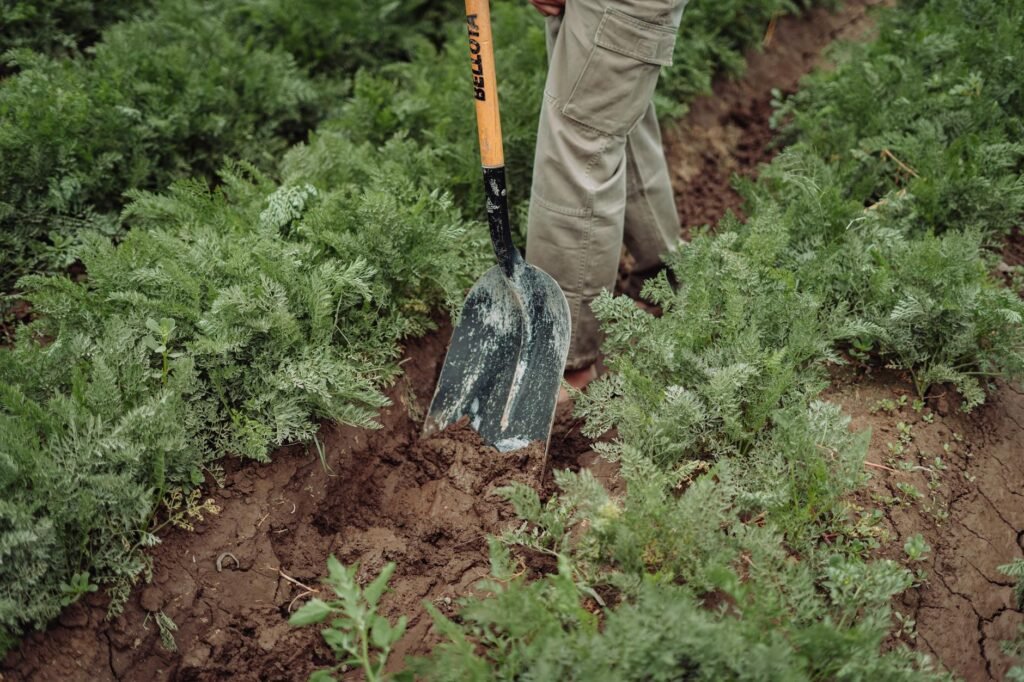
Gardening Basics: Everything a Beginner Needs to Know
Have you ever wandered through a vibrant garden, inhaling the sweet scent of blooming flowers, and thought, “I wish I could create something like this”? The truth is, gardening isn’t just for the green thumbs of the world; anyone can cultivate their own lush sanctuary with a little knowledge and patience. Starting your own garden can feel intimidating, but it is an incredibly rewarding endeavor that connects you to nature and provides a bountiful harvest. If you’re ready to dig into this journey, let’s explore the essential gardening basics every beginner should know.
Gardening offers countless benefits beyond just beautification. Not only does it provide fresh produce, but it can also be a therapeutic outlet. Imagine spending a sunny afternoon planting seeds or tending to your plants, feeling the earth between your fingers, and watching your hard work come to life. So, what are the first steps in starting your gardening adventure? Let’s uncover some key fundamentals to set you on the path to success.
Understanding Your Garden Space
Before you plunge into planting, it’s vital to assess your available space. Take a moment to evaluate your yard or even a balcony. Do you have full sun exposure, part shade, or mostly shaded areas? Understanding how much sunlight your garden receives throughout the day is crucial because plants have different light requirements. For instance, tomatoes thrive in full sun, while leafy greens like lettuce prefer partial shade. A simple observation over the course of a few days can reveal a lot.
Additionally, consider the layout of your garden. Will you cultivate a small vegetable patch, flower beds, or perhaps a mix of both? Real-life example: Sarah, a friend of mine, transformed her small backyard into a flourishing vegetable garden by using raised beds. This not only optimized her limited space but also improved drainage and soil quality. Ask yourself: What do you want to grow, and how much space do you have to work with?
Choosing the Right Soil and Amendments
Soil is the foundation of your garden. The type of soil will significantly influence the health and growth of your plants. Ideally, you’ll want loose, nutrient-rich soil that drains well but retains moisture. When I first started gardening, I made the rookie mistake of planting in compacted soil, and my seedlings struggled to break through. To avoid this, consider mixing in organic matter like compost, which not only improves soil structure but also enriches it with essential nutrients.
Do you know what makes compost so beneficial? It acts like a superfood for your plants. You can create your own compost at home using kitchen scraps, yard waste, and other organic materials. This process not only reduces waste but also provides your garden with natural fertilizers. Mix well-rotted compost into your soil before planting, and you’ll set the stage for healthy growth.
Selecting the Right Plants for Beginners
Not all plants are created equal, especially for beginners. If you’re just starting out, it’s wise to choose hardy plants that are forgiving and easy to care for. Vegetables like radishes and carrots germinate quickly and can be harvested in a short timeframe, providing instant gratification. On the other hand, flowering plants like marigolds and zinnias can add color to your garden without demanding too much attention.
Consider this: when I started my garden, I planted a mix of herbs—basil, cilantro, and parsley—each of which flourished with minimal care and enhanced my culinary adventures. They require little space and can be grown in pots, making them perfect for beginners with limited areas. What plants draw your interest? Start with a few varieties that capture your enthusiasm and gradually expand your planting palette as your confidence grows.
Watering Wisely
Watering is often underestimated, yet it plays a pivotal role in the success of your garden. It’s not just about soaking the soil; it’s about doing it wisely. Overwatering can be just as harmful as underwatering. The key is to understand the specific watering needs of your plants. Some thrive with consistent moisture, while others prefer drying out between watering sessions. For example, succulents and cacti require infrequent watering, whereas ferns love humidity and damp conditions.
My neighbor, who is an avid gardener, swears by the “finger test.” Before watering, he pokes his finger about an inch into the soil. If it feels dry, it’s time to water. Additionally, watering early in the morning or late afternoon minimizes evaporation and allows plants to soak up needed moisture. So, what’s your watering routine? Pay attention to your plants’ cues; they’ll surely let you know what they prefer.
Weed Management and Pest Control
Weeds are every gardener’s nemesis. They compete with your plants for nutrients, light, and water. Establishing a regular weeding schedule helps keep them in check. Pulling weeds by hand can be therapeutic, but don’t underestimate the power of mulch. Applying a layer of mulch not only suppresses weeds but also retains soil moisture and keeps temperatures stable. I once neglected mulching my flower beds, only to find them overrun with pesky weeds. Lesson learned!
Pest control is another essential aspect of gardening. Instead of immediately reaching for chemical pesticides, consider natural methods to manage unwanted guests. Companion planting—growing certain plants together to deter pests—is an effective strategy. For instance, planting marigolds around your vegetable garden can help ward off aphids. At the end of the day, creating a balanced ecosystem in your garden will promote healthier plants and reduce pest problems.
Enjoying the Fruits of Your Labor
There’s nothing quite like the feeling of harvesting your first crop. Whether it’s plucking fresh tomatoes from the vine or snipping fragrant herbs for your dinner, it’s a moment of pride. As you progress in your gardening journey, remember to enjoy the process, not just the end results. Gardening has a unique way of teaching patience and nurturing, allowing you to witness the cycle of life unfold right before your eyes.
Share your gardening successes with friends and family or consider joining local gardening clubs for inspiration and support. Your experiences, whether triumphs or challenges, could inspire someone else to take up the spade and explore the world of gardening. So, what are you waiting for? Grab those gloves and get started on your green adventure!
Embrace the beauty of gardening and its endless possibilities. What will you plant first? Share your thoughts and experiences in the comments below, and let’s grow together!