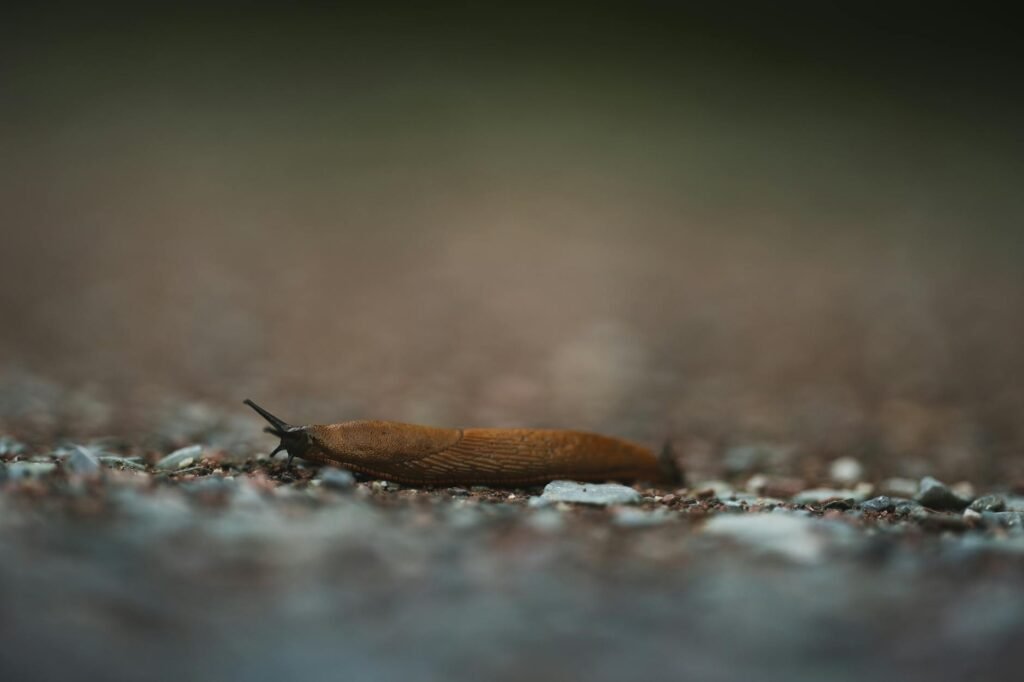
How to Deal With Slugs in Your Garden Naturally
Picture this: you’ve spent hours tending to your plants, nurturing them with love and care, only to discover a sad, slimy trail leading to devastation. Yes, those pesky slugs have invaded your garden! While they may seem harmless with their gooey exterior, these little marauders can wreak havoc on your beloved flowers and vegetables. So, how do you protect your garden without resorting to harsh chemicals? Let’s explore some effective natural methods to tackle this common garden problem.
Many gardeners face the slug dilemma at one point or another. Surprisingly, slugs are more than just a nuisance; they can devour entire leaves of tender plants overnight, leaving behind a trail of destruction. Before you start panicking, remember that nature offers a range of solutions to deter these pests. Not only will these methods help keep your garden healthy, but they’ll also promote a thriving ecosystem. Are you ready to reclaim your garden from these slimy invaders?
Understanding Slug Behavior
To effectively deal with slugs, it’s crucial to understand their habits. Slugs are nocturnal creatures, meaning they love to come out after dark, munching on your plants under the cover of night. The truth is, they thrive in moist environments, especially after rain or heavy watering. So, if you notice an uptick in slug activity, it might just be the weather helping them out. Have you ever wondered why some gardens seem to attract slugs more than others? It often comes down to moisture and shelter. Mulch, dense foliage, and debris can create the perfect slug habitat.
Consider a neighbor who once faced a significant slug problem in their vegetable garden. After researching slug behavior, they discovered that watering their plants early in the morning, rather than in the evening, significantly reduced moisture levels overnight. This simple change made their garden less inviting to slugs. Understanding these pests can be the first step in creating a slug-free environment!
Natural Repellents: What Works?
When it comes to natural slug repellents, several options can discourage them without causing harm to your garden. One of the most effective methods is using barriers made from materials like copper. When slugs come into contact with copper, it creates a reaction that they find uncomfortable, prompting them to turn away. You can easily create a copper barrier by using copper tape around your garden beds or planters. Have you ever seen how they behave when they encounter copper? It’s quite fascinating!
Another natural repellent involves using diatomaceous earth. This natural powder, made from crushed sea creatures, acts as a desiccant. When slugs crawl over it, they dry out and eventually die. Sprinkling a thin layer of diatomaceous earth around your plants can effectively keep these slimy pests at bay. Just remember to reapply after rain or watering, as moisture diminishes its effectiveness.
Companion Planting: A Strategic Approach
One of the lesser-known strategies for managing slugs is companion planting. Certain plants can repel slugs and protect your more vulnerable crops. For example, planting sage, rosemary, or garlic alongside your vegetables can create a natural deterrent. These herbs emit scents that slugs find unappealing. Imagine planting a fragrant garden that not only smells good but also protects your tomatoes from being devoured!
One gardener I know had a beautiful tomato patch that was under constant siege from slugs. After learning about companion plants, they introduced garlic and sage around their tomatoes. Not only did the slugs stay away, but the entire garden flourished with the addition of these aromatic herbs. Companion planting isn’t just a smart way to deter pests—it’s also beneficial for your overall garden health.
Creating a Slug-Friendly Environment
While it might sound counterintuitive, creating a slug-friendly environment can actually help you manage their population. By providing natural predators, such as frogs, toads, and birds, you can help control slug numbers. Adding a small pond or water feature might attract these helpful creatures. Plus, they’ll feast on those pesky slugs, reducing their numbers significantly.
Think about it this way: by inviting natural predators into your garden, you’re taking a holistic approach to pest management. One gardener I know even set up a small water source with rocks for frogs to hide under. The result? A much healthier garden with fewer slugs and thriving plants. Are you ready to invite nature’s helpers into your space?
Simple Traps You Can Make
If you’re dealing with a significant slug problem, consider setting up traps. One of the simplest traps involves using a shallow dish filled with beer. Slugs are attracted to the scent of fermentation, and once they slide in, they won’t be able to escape. Another option is placing a bowl of soapy water at ground level, which will trap them once they jump in. These DIY solutions are not only effective but also easy to set up!
In fact, a friend of mine swears by the beer trap method. After filling a few dishes and placing them strategically around her garden, she was astonished to find almost a dozen slugs each morning. It’s a hands-on method that not only keeps slugs in check but also allows you to monitor their presence. Have you tried any traps before, or are you ready to give them a whirl?
Conclusion: A Slug-Free Garden Awaits!
Dealing with slugs doesn’t have to be a nightmare. By utilizing natural methods, understanding their behavior, and introducing companion plants, you can protect your garden effectively. Remember, the key is persistence and adapting your strategies based on what works best for your plants. Share your experiences and tips below—what’s worked for you? Let’s help each other cultivate beautiful, slug-free gardens!