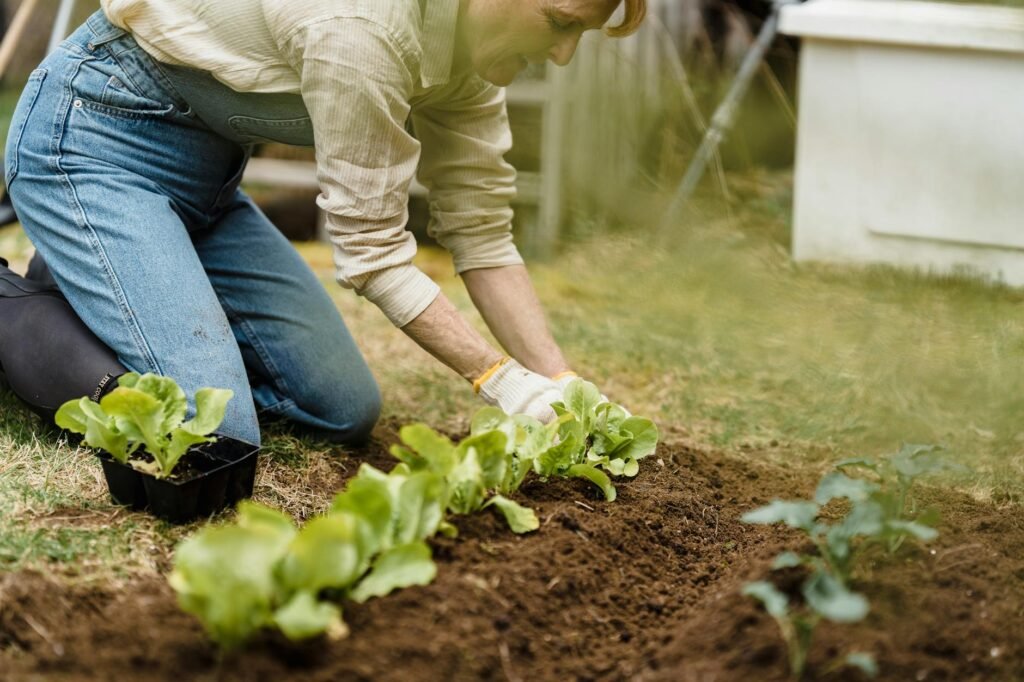
How to Start a Vegetable Garden for Beginners: The Complete Guide
Have you ever dreamed of stepping into your backyard and picking fresh tomatoes for your salad? Or perhaps you’ve imagined the thrill of growing your own carrots, knowing exactly how they were nurtured from seed to harvest? For many, the idea of cultivating a vegetable garden is attractive not just for the produce it yields but also for the sense of accomplishment it brings. Yet, where do you even begin? If you’re one of those aspiring gardeners overwhelmed by the thought of starting, you’re in the right place.
Creating your vegetable garden doesn’t have to be an insurmountable task. With a little guidance, a sprinkle of patience, and a dash of enthusiasm, you’ll be well on your way to enjoying homegrown vegetables. The truth is, starting a garden can be as simple as selecting a sunny spot in your yard and picking a few easy-to-grow seeds. Let’s dive into the essentials of getting your vegetable garden off the ground and flourishing!
Choosing the Right Location for Your Garden
The first step to a thriving vegetable garden is finding the perfect spot. Most vegetables require at least 6 to 8 hours of sunlight each day. So, take a stroll around your yard and observe the sun patterns throughout the day. Are there any areas that bask in sunlight? Perhaps your patio or a corner near the fence gets that golden glow. If you have limited sunny spots, consider using reflective surfaces or even growing vegetables in containers that can be moved to catch the sun.
Consider drainage as well. Vegetables don’t like “wet feet,” so if you notice puddles forming in certain areas after rain, steer clear of those spots. An anecdote from my gardening journey comes to mind: I once chose a charming little spot near a tree, only to have my carrots rot because the tree roots sucked up all the moisture. Lesson learned! A well-drained area is crucial for healthy plants.
Preparing Your Soil: The Foundation of Success
Here’s a tip: when preparing your soil, do it in the fall or early spring before planting. This allows the soil to settle and allows beneficial microbes to start doing their work. A friend of mine who started her garden late in spring spent a whole season watching her plants struggle because she hadn’t taken the time to prepare the soil. Don’t skip this step—it’s worth the effort!
Selecting the Right Vegetables for Beginners
Not all vegetables are created equal, especially when it comes to starting your first garden. As a beginner, you want to choose crops that are not only easy to grow but also forgiving of mistakes. Vegetables like radishes, lettuce, and zucchini are great starters. They germinate quickly and can often be harvested in a short time frame, giving you that immediate reward that keeps you motivated.
Did you know that some crops can be grown in succession? For example, once you harvest your radishes, you can plant another vegetable in the same spot! This practice, known as succession planting, can maximize your yield. My first garden was a mix of these easy veggies, and by the end of the season, I had learned lessons that would shape my gardening techniques for years to come.
Watering Wisely: The Lifeblood of Your Garden
Watering might sound straightforward, but it’s an art. Vegetables need consistent moisture, especially during hot summer months. Overwatering can lead to root rot and disease, while underwatering can stunt growth and cause stress to the plants. It’s a balancing act! A good rule of thumb is to aim for about an inch of water per week, either through rain or irrigation.
Here’s the thing: it’s better to water deeply and less frequently than to sprinkle lightly every day. This encourages deep root growth. I recall a summer when I was a little too eager and watered every day, resulting in shallow roots and puny tomatoes. Learning to adjust my watering schedule was a game changer for my plants’ health.
Keeping Pests and Weeds at Bay
Once your garden starts to flourish, you may find unwanted guests lurking around—pests and weeds. Tackling weeds should be done early and often. Mulching around your plants can help suppress weed growth while retaining moisture in the soil. What most people miss is that a thick layer of organic mulch not only keeps weeds at bay but also enriches the soil as it breaks down.
As for pests, start by observing your garden closely. You might find some insects can actually be beneficial. For instance, ladybugs eat aphids! Introduced beneficial insects can help, but sometimes a simple spray of water can dislodge harmful pests. When I first encountered aphids on my peppers, I panicked! However, I quickly learned that a bit of soap and water worked wonders. Don’t be afraid to experiment with natural methods!
Harvesting: The Reward of Your Labor
The moment you’ve worked so hard for has finally arrived: harvesting time! Knowing when and how to harvest your vegetables can make all the difference in taste and texture. For instance, tomatoes should be picked when they’ve reached their full color; you’ll be shocked at the difference in flavor compared to store-bought versions. On the flip side, if you let your zucchini grow too large, they can become tough and seedy.
Try to harvest your crops during the cooler parts of the day—early morning or late afternoon. This is when the plants are less stressed and have retained moisture. A memorable moment from my gardening escapades was when I picked a huge zucchini in the mid-afternoon sun—it was a bit wilty and not as satisfying. The heat can take a toll on the freshly harvested produce, so timing is everything!
Enjoying the Fruits of Your Labor
Finally, after all that hard work, it’s time to enjoy the fruits of your labor. Incorporating your homegrown vegetables into your meals can be immensely satisfying. Whether you’re making a crisp salad from your garden greens or tossing together a veggie stir-fry, the flavors can’t be beaten. Plus, there’s something special about sharing your homegrown harvest with friends and family.
So, what do you think? Are you ready to dig into your garden and grow your own vegetables? Remember, gardening is a journey. Don’t be discouraged by setbacks; they are merely learning experiences. Share your gardening adventures or any questions you might have in the comments below—let’s grow together!