Growing Rosemary: From Cutting to Full Bush
Have you ever wandered through a garden and been captivated by the fragrant aroma of rosemary? This versatile herb not only adds a burst of flavor to your favorite dishes but also boasts a plethora of health benefits. Interestingly, did you know that growing rosemary can be as simple as taking a cutting from an existing plant? That’s right! With a little patience and care, you can transform that small sprig into a lush bush that thrives in your garden or kitchen.
For many aspiring gardeners, rosemary represents the perfect blend of beauty and utility. While it may seem daunting at first, the process of cultivating rosemary is both rewarding and enjoyable. Whether you’re a seasoned horticulturist or just starting your journey, understanding the steps involved in growing rosemary from cuttings can elevate your gardening game. Grab your gardening gloves, and let’s dive into the fragrant world of rosemary!
Understanding Rosemary’s Characteristics
Before you embark on your rosemary-growing adventure, it’s essential to understand the characteristics of this hardy herb. Rosemary (Rosmarinus officinalis) is a perennial shrub native to the Mediterranean region, known for its needle-like leaves and woody stems. This herb flourishes in sunny environments, making it an excellent choice for outdoor gardens and indoor windowsills alike. The truth is, rosemary thrives with minimal care, which is a blessing for busy gardeners.
Have you ever noticed how rosemary can survive in harsh conditions? Its resilience stems from its ability to withstand drought, thanks to its deep root system. This means that, once established, it requires less water than many other herbs. This characteristic makes it a fantastic choice for those looking to create a low-maintenance garden. Understanding these traits will set the foundation for successfully growing your own rosemary bush.
How to Take Cuttings from an Existing Rosemary Plant
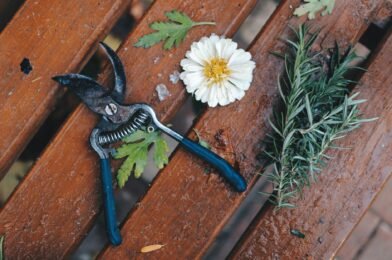
The process of growing rosemary from cuttings is surprisingly simple and satisfying. Start by locating a healthy, mature rosemary plant. Choose a stem that is around 4-6 inches long, preferably one that is softwood – meaning it’s still flexible but has started to mature. Using clean, sharp scissors, snip the cutting just below a leaf node. This node is vital, as it’s the area where roots will eventually develop.
After taking your cutting, remove any leaves from the bottom half. This step prevents rotting when the stem is placed in water or soil. If you look closely, you’ll notice small bumps where the leaves were—these are the future root zones! At this point, you can also dip the cutting in rooting hormone to promote faster root growth, although it’s not strictly necessary. Have you ever tried propagating other herbs? Rosemary cutting is a fantastic entry point!
Rooting Your Rosemary Cutting
Once you’ve prepared your cutting, it’s time to get it rooted. You can choose between two popular methods: water propagation or soil propagation. If you opt for water, place your cutting in a glass of water, ensuring that the leaf nodes are submerged but the leaves are not. Position the glass in a bright spot but away from direct sunlight. Change the water every few days to keep it fresh, and wait patiently for the roots to develop.
Alternatively, if you prefer soil propagation, fill a small pot with a well-draining potting mix and insert the cutting directly into the soil. Water the soil lightly and cover the pot with a plastic bag to create a mini greenhouse effect. This method encourages humidity, promoting faster root growth. Which method excites you more? Both are effective, but you might find one more convenient than the other.
Transplanting Your Rosemary Seedling
After a few weeks, you should notice roots developing from your cutting, especially if you’ve chosen the water method. It’s time for the exciting step of transplanting your rosemary seedling! Carefully remove the cutting from the glass or pot, taking care not to damage the delicate roots. If you’re planting in the ground, choose a sunny spot with well-draining soil. If using a pot, ensure it has drainage holes to prevent water accumulation.
When transplanting, dig a hole slightly larger than the root ball of your cutting and place it in. Backfill the soil around the seedling and gently press down to eliminate air pockets. Water the newly transplanted rosemary lightly to settle the soil. Here’s a quick tip: if you’re planting multiple rosemary bushes, space them about 2 feet apart. This spacing allows them to grow without crowding each other.
Care Tips for Growing Rosemary Bushes
Your journey from cutting to a full rosemary bush now begins in earnest. But what’s the key to ensuring your plant flourishes? Rosemary loves sunlight, so aim for at least 6-8 hours of direct sunlight each day. If you’re gardening indoors, consider rotating your pots for even sunlight distribution. Watering is crucial, but here’s the catch: rosemary prefers drier soil, so wait until the top inch of soil feels dry before watering again.
Another essential aspect of care is pruning. Pruning encourages bushier growth and prevents the plant from becoming leggy. As you notice new growth, carefully trim back a few inches of the stems, promoting denser foliage. And remember, rosemary can also benefit from occasional fertilization with a balanced fertilizer during the growing season. What specific growth tips have you found helpful in your gardening experience?
Harvesting and Using Your Rosemary
One of the most rewarding aspects of growing rosemary is, of course, the chance to use it in your cooking. Once your rosemary bush has matured, typically after about a year, you can start harvesting the leaves. It’s best to pick leaves in the morning when the essential oils are at their peak. Snip off sprigs as needed, and consider leaving enough foliage on the plant to ensure healthy growth.
When it comes to culinary uses, rosemary is incredibly versatile. You can chop fresh leaves to add to roasted meats, vegetables, and even bread. Or why not infuse olive oil with fresh rosemary for a fragrant dressing? The possibilities are endless! Additionally, rosemary has been known for its potential health benefits, from improving digestion to enhancing memory. What delicious dishes do you envision creating with your own rosemary harvest?
Growing rosemary from cutting to a full bush is not just a gardening project; it’s a journey filled with fragrance, flavor, and satisfaction. With the right care and commitment, you’ll cultivate not only a wonderful herb but also a connection to the joy of gardening. So, roll up those sleeves, and let your rosemary bush thrive! How will you start your rosemary adventure today? Share your thoughts below!