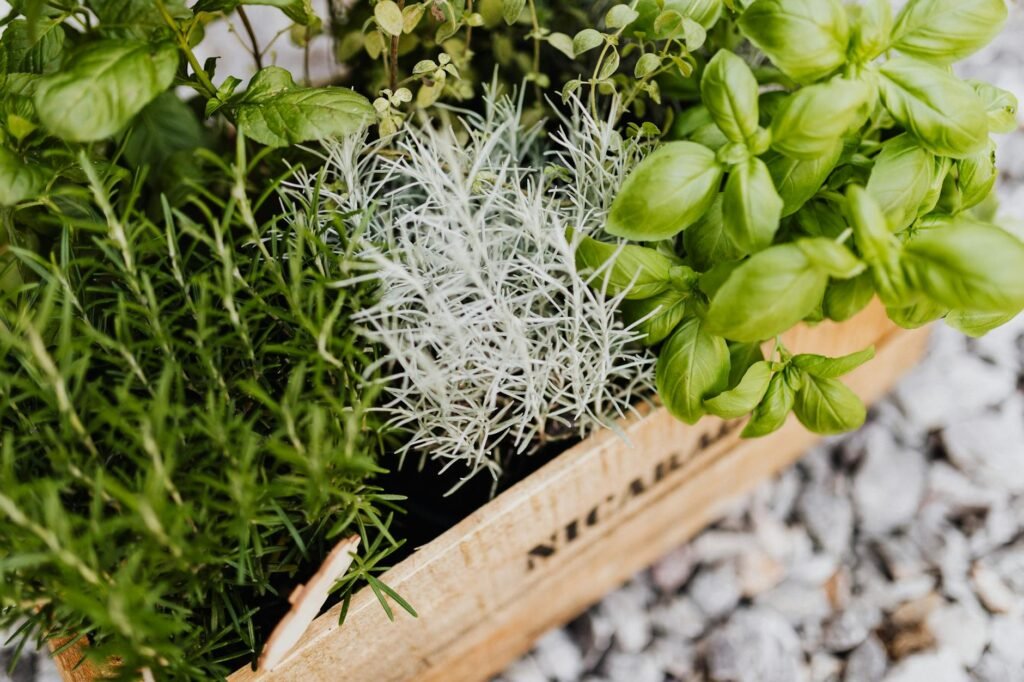
Growing Basil Like a Pro: Simple Tips for Huge Harvests
Have you ever walked into a kitchen and been enveloped by the unmistakable aroma of fresh basil? That vibrant smell can transport you straight to a sunny Italian garden. But what if I told you that you, too, can cultivate this aromatic herb, enhancing your culinary adventures and green thumb at the same time? If you’re dreaming of bountiful basil harvests, the good news is that growing basil isn’t just for seasoned gardeners. It’s an accessible endeavor that can yield huge rewards.
Picture this: fresh basil leaves ready to be plucked right from your windowsill, inspiring you to craft delightful pesto or elevate your pasta dishes. The satisfaction of nurturing your own basil plant is unparalleled. But, here’s the thing—successful basil gardening requires more than just watering and waiting. What are the secrets to ensuring your basil thrives, producing leaves that are lush and fragrant? Let’s explore the essential tips for growing basil like a pro!
Choosing the Right Variety
When it comes to basil, the variety you choose can make a world of difference. While sweet basil is the classic choice for most recipes, there are many other types that can enhance your garden flavor profile. Thai basil, with its spicy notes and purple stems, is a great addition for Asian dishes, while lemon basil adds a refreshing twist to salads and soups. Have you ever tried cinnamon basil? Its distinct flavor can add a unique kick to your desserts.
Last summer, I decided to experiment by planting four different varieties of basil side by side. It was astonishing to see how distinct each plant was—not just in flavor but also in appearance. The sweet basil grew tall and lush, while the compact variety stayed shorter but equally robust. By diversifying my basil garden, I discovered new flavors that not only impressed my palate but also my friends. So, take a moment to consider what you want from your basil. The right variety can elevate your culinary game significantly.
Optimal Growing Conditions
Now that you’ve chosen your basil variety, let’s dive into the best growing conditions. Basil loves warmth—this herb thrives in temperatures between 70°F and 90°F. If you’re starting your plants indoors, placing them near a sunny window can make all the difference. Alternatively, a south-facing porch or garden bed will help your basil soak up all that vital sunlight. Have you ever noticed how some plants seem to stretch toward the light? That’s your basil’s way of saying, “I need more sun!”
Real-life gardening often presents challenges, though. Last year, I planted basil in a shady spot, hoping it would thrive. Unfortunately, the plants struggled, yielding only a handful of leaves. The lesson? Basil is not fond of shade. If you want to grow huge harvests, ensure your plants have access to at least six hours of sunlight daily. Consider using plant markers to remember which varieties you’re growing and where they flourish best. This small effort will pay off immensely!
Watering Wisely
Watering is a critical component of basil care, but the key is striking a balance. Overwatering can lead to root rot, while underwatering might cause your plants to wilt. So, how can you tell when your basil is thirsty? A simple test is to poke your finger into the soil. If it feels dry about an inch down, it’s time for a drink! Remember, basil prefers well-draining soil, so ensure your pot or garden bed allows for excess moisture to escape.
A few months ago, I observed a friend’s basil garden that was thriving. The secret? They used a drip irrigation system that provided consistent moisture without drowning the plants. Inspired, I decided to set up a similar system for my garden. The result? My basil flourished better than ever before, providing an abundant harvest for my kitchen. At the end of the day, finding the right watering technique can make all the difference in the success of your basil plants.
Pruning for Productivity
One of the most effective ways to encourage a fuller basil plant is through regular pruning. By pinching off the tops of your basil plants, you stimulate branching, leading to bushier growth. This not only increases your yield but also prevents the plant from flowering too soon, which can affect flavor. Have you ever tasted bitter basil? That’s often the result of flowering. Aim to prune your basil every few weeks, especially once it reaches about six inches tall.
I vividly remember my first attempt at pruning. I was hesitant, worrying that I might harm the plants. Instead, what I found was that after a few snips, my basil exploded with new growth, providing me with fresh leaves for weeks. The lesson here is clear: don’t be afraid to prune! Embrace it as a way to promote healthy growth and maximize your basil harvest.
Harvesting Techniques
As your basil plants flourish, it’s time to enjoy the fruits of your labor. But how you harvest can greatly influence future growth. To maintain healthy plants, always use clean, sharp scissors or garden shears to snip leaves, rather than tearing. This minimizes damage to the plant and encourages it to produce new leaves quickly. When is the best time to harvest? Early morning is ideal when the essential oils are at their peak.
I once made the mistake of harvesting my basil in the late afternoon when the heat had stressed the plants. The taste was not as vibrant as I expected. Since then, I’ve made it a habit to pick my basil early, ensuring that each leaf bursts with flavor. Also, consider harvesting from the top down, which promotes further growth. Enjoying fresh basil is rewarding, but how you harvest it can set the tone for your future meals.
Conclusion: Your Basil Journey Awaits
Growing basil like a pro is entirely within your reach. By choosing the right variety, providing optimal growing conditions, watering wisely, pruning regularly, and harvesting thoughtfully, you’ll be on your way to enjoying huge harvests. So, the question is: are you ready to embark on your basil journey? Share your experiences in the comments below! What varieties are you most excited to grow? And don’t forget to share this article with your fellow herb enthusiasts! Happy gardening!