10 Easiest Vegetables to Grow in Your First Garden
Have you ever dreamed of walking out into your own garden, plucking fresh vegetables, and enjoying a farm-to-table experience right in your backyard? The truth is, starting a garden can feel daunting, especially if you’ve never done it before. But the good news is that some vegetables are truly beginner-friendly, requiring minimal effort while still rewarding you with bountiful harvests.
Imagine the satisfaction of nurturing a seed into a flourishing plant, then transforming that plant’s bounty into delicious meals. Whether you have a spacious yard or just a small balcony, you can cultivate your own piece of nature. Let’s dive into the ten easiest vegetables to grow in your first garden that will boost your confidence and get you excited about gardening!
1. Radishes: The Quick Harvest
Radishes are one of the quickest vegetables you can grow, often maturing within just three to four weeks! Picture this: you plant the seeds, and just weeks later, you’re pulling vibrant red bulbs from the soil. They thrive in cooler weather, making them perfect for early spring or fall planting.
All you need is well-drained soil and a little sunlight, and you’ll find that radishes are quite forgiving. In a recent community garden project, I witnessed children squealing with joy as they unearthed their first radishes—an excellent way to introduce young gardeners to the joys of cultivation.
2. Lettuce: A Leafy Delight
Lettuce is another fantastic option for beginners, as it can be grown in various climates and conditions. You can sow seeds directly in the soil or start them indoors, giving you flexibility. The beauty of lettuce is that you can harvest it leaf by leaf, ensuring a continuous supply for your salads.
During my first attempt at gardening, I started with a variety of greens. Watching those tender leaves unfurl was not just a lesson in patience but a rewarding experience. Wouldn’t you love to munch on crisp, freshly-picked lettuce right from your garden?
3. Carrots: From Seeds to Crunchy Roots
Carrots might take a bit longer to mature—usually around two to three months—but the wait is well worth it. What’s more, they’re incredibly low-maintenance! Just plant the seeds in loose, sandy soil, and watch them grow. As they develop underground, you won’t need to do much besides keep the area weed-free and watered.
I still remember the first time I harvested my carrots. They were long, vibrant orange roots that tasted sweeter than anything from the store. The fun lies in pulling them from the ground and discovering what lies beneath the surface! Have you ever tasted a carrot freshly pulled from the earth?
4. Zucchini: Prolific and Versatile
Zucchini is a gardener’s dream; it grows rapidly and produces abundantly. One plant can yield dozens of fruits in a single season! They thrive in warm weather and do well in both garden beds and containers. Plus, their versatility in the kitchen makes them a favorite among home cooks.
A neighbor of mine once planted a single zucchini plant, and by the end of the summer, she was sharing her harvest with everyone in the neighborhood. Imagine surprising your friends with homemade zucchini bread made from your own garden-grown produce. Now, that’s something to brag about!
5. Green Beans: Climbing to New Heights
Green beans are perfect for beginners, especially pole varieties that add vertical interest to your garden. They require a trellis or support to climb, and they’re among the most forgiving plants. Sowing the seeds directly into the soil is simple, and soon enough, you’ll have lush green vines full of crunchy pods.
At a community garden event, gardeners were amazed at how quickly their green beans grew. One friend even built a simple trellis using recycled materials, turning his garden into a delightful climbing wonderland. Just think—what if you could create your own little vertical garden filled with fresh beans?
6. Herbs: Flavorful Companions
While technically not vegetables, herbs like basil, parsley, and cilantro are some of the easiest plants to grow. They thrive in pots as well, so even those with limited space can enjoy their benefits. Herbs grow quickly and add incredible flavors to your cooking without requiring extensive care.
I’ll never forget the aroma of fresh basil wafting through my kitchen after I harvested it from my own herb garden. It felt like a small victory, and I found myself cooking with more creativity than ever before. Why not sprinkle a bit of homegrown flavor into your next meal?
7. Tomatoes: A Garden Staple
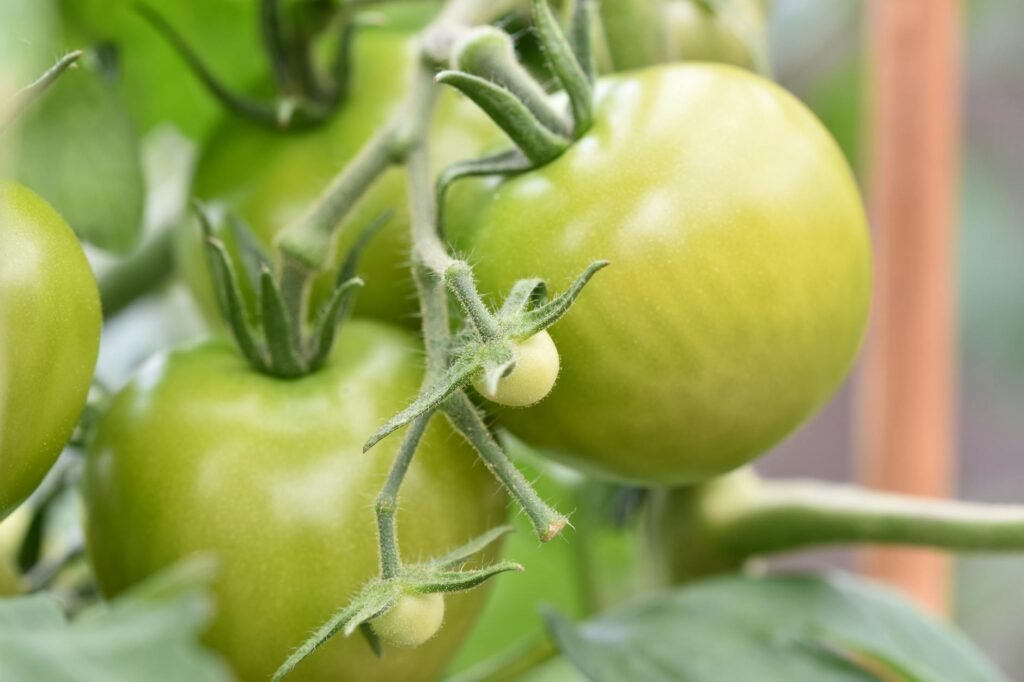
Tomatoes are often seen as a fundamental gardening vegetable. They can be grown in pots or garden beds and are relatively easy to maintain if provided with adequate sunlight and water. Choose determinate varieties for smaller spaces or indeterminate ones if you have ample room for trellising.
During my first summer of gardening, my enthusiasm led me to plant multiple tomato varieties. The vibrant colors and unique flavors made each harvest an adventure. Can you imagine biting into a sun-warmed tomato, still warm from the sun? That experience is truly unmatched.
8. Peas: Sweet and Rewarding
Peas are another cool-weather crop that’s great for beginners. They grow quickly and produce sweet pods that are perfect for snacking or cooking. Directly sowing seeds in early spring is straightforward, and their climbing nature means they can be grown vertically, saving space.
A friend of mine introduced her kids to gardening through peas, and they loved the experience of popping the pods open and tasting the fresh peas inside. It’s a delightful experience that connects children with where their food comes from. Will you take a step towards a shared experience with your family in the garden?
9. Bell Peppers: Colorful and Crunchy
Bell peppers not only add a splash of color to your garden but are also quite simple to grow. They flourish in warm weather and require a bit more care than some of the other vegetables, but are still manageable for beginners. Plus, they can be grown in containers or beds.
I once witnessed a neighbor’s excitement as she harvested her first red bell pepper. She couldn’t wait to use it in her homemade salsa. The joy of colorful, homegrown produce brings a unique satisfaction. What colors will you incorporate into your garden this season?
10. Spinach: Nutrient Powerhouse
Spinach is a nutrient-rich leafy green that’s easy to cultivate and thrives in cooler temperatures. It can be grown in both spring and fall, making it a versatile choice for different seasons. One of the best things about spinach is that you can harvest it young or let it mature for a heartier green.
I recall the first time I made a salad with my homegrown spinach. The leaves tasted so fresh and vibrant! It reminded me of the importance of home gardening and how it connects us to our food sources. Why not give spinach a try and enjoy its health benefits straight from your backyard?
Gardening is not just about cultivation; it’s about connection— to nature, to your food, and to yourself. With these ten easy vegetables, you have a great starting point for your first garden. What’s holding you back from digging your hands into the soil and starting your gardening journey? Join the conversation in the comments below, share your thoughts, or tell us about your own gardening experiences!