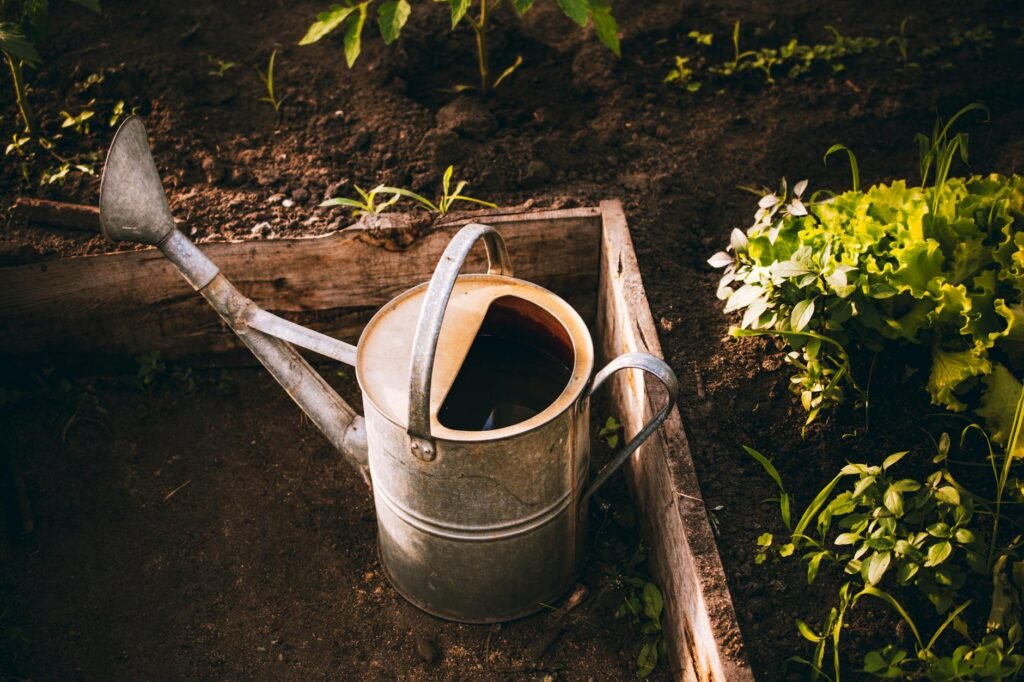
How to Water Your Garden Properly Without Wasting Water
Imagine standing in your vibrant garden, surrounded by flourishing plants and the sweet scent of blooming flowers. But then, a thought crosses your mind: Am I watering my plants efficiently? With the rising concern about water conservation, it’s crucial to master the art of watering without waste. The truth is, many gardeners struggle with this, often drowning their plants while watching precious water seep into the ground unutilized. So how can you cultivate a lush garden and be eco-friendly at the same time?
Gardening is not just about planting seeds; it’s also about understanding the needs of each plant. Watering may seem straightforward, but there’s a delicate balance that can make all the difference. Overwatering can lead to root rot, while underwatering can stunt growth. Here’s the thing: watering your garden properly requires a little knowledge and some strategic planning. In this guide, we’ll explore effective methods to ensure your plants thrive, all while conserving water in the process.
Understanding Your Plants’ Needs
Every plant has its own thirst levels. For instance, succulents and cacti require much less water compared to leafy greens or flowering plants. Understanding these needs is crucial to watering correctly. When I first started my garden, I made the rookie mistake of treating all plants the same. My poor hydrangeas nearly wilted while my succulents thrived on my overzealous watering habits. The lesson? Each plant tells a story. Take time to research your garden’s species. What do they thrive on? How deep do their roots go? Tailoring your watering schedule to fit these specific needs can drastically reduce waste.
Another aspect to consider is the season. During the hot summer months, plants often need more water, but in the cooler seasons, their needs decrease. Keep an eye on the weather and adjust your routine accordingly. This is where a rain gauge can become your best friend. By measuring the rainfall, you’ll better understand how much additional water your plants require, thus preventing unnecessary watering. It’s all about observing and adapting.
Smart Watering Techniques
Have you ever heard of drip irrigation? This method has gained popularity among gardeners aiming for efficiency. Unlike traditional hoses or sprinklers that can waste water through evaporation and runoff, drip irrigation delivers water directly to the roots. This targeted approach not only conserves water but also reduces the risk of weed growth since less water is distributed to surrounding areas. When I installed a drip system in my garden, I was amazed at how my plants responded—healthier and more vibrant than ever before!
Consider watering your garden early in the morning or late in the evening. Why? During these times, the sun is less intense, leading to less water evaporation. I’ve experienced firsthand the difference this simple adjustment can make. Instead of watering during the sweltering midday heat, I now enjoy my coffee while tending to my garden in the cool morning air, knowing I’m doing my part to conserve water.
Mulching for Moisture Retention
Here’s a tip that not everyone thinks about: applying mulch can significantly help reduce water evaporation. By covering the soil with organic materials like straw, grass clippings, or wood chips, you create a barrier that locks in moisture. This method not only keeps the soil cool but also reduces the frequency of watering. I remember a summer when I was overwhelmed with the heat and my plants were drying out. A friend suggested adding a layer of mulch. The change was astounding! Not only did my watering needs decrease, but my plants flourished beautifully.
Moreover, mulch also improves soil quality over time as it decomposes, creating a win-win situation. So next time you’re at the garden center, don’t overlook this simple yet effective solution. Your plants will thank you!
Collecting and Utilizing Rainwater
Rainwater harvesting is another fantastic way to water your garden while being environmentally conscious. Why let that precious resource run off into storm drains when you can collect it for your plants? Setting up a rain barrel can be as simple as placing a container under a downspout. This way, whenever it rains, you’re filling up your reservoir without a single drop of municipal water used. Think about it: this is nature’s way of watering your garden for free!
I vividly recall the first time I utilized rainwater for my garden. After a heavy downpour, I was able to fill my barrel to the brim. The satisfaction of watering my garden with nature’s bounty was unmatched. Plus, using rainwater is beneficial for your plants; it’s usually free of the chemicals found in tap water!
Final Thoughts on Water Conservation in Gardening
As you embark on your gardening journey, remember that effective watering can help you conserve water and cultivate a thriving garden. By understanding your plants’ specific needs, employing smart watering techniques, utilizing mulch, and harvesting rainwater, you can ensure your garden flourishes without wasting this precious resource.
So, what’s holding you back from implementing these strategies? It’s time to take control of your watering habits and embrace these sustainable practices. Share your experiences or ask questions below; let’s inspire each other to create gardens that are both beautiful and eco-friendly!