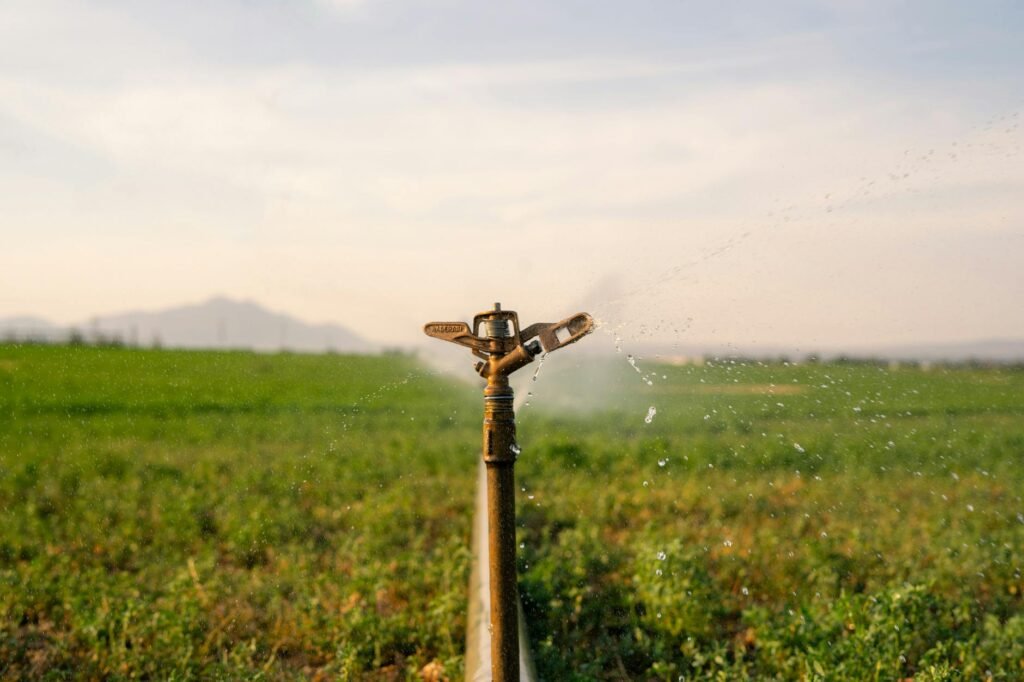
Mastering Drip Irrigation for Beginners: Save Time and Water Effectively
Have you ever watched your plants struggle under the scorching sun, while you lug around a watering can, wishing there was a simpler way? Or perhaps you’ve seen a neighbor’s garden thriving beautifully, effortlessly nourished by a seemingly magical system of hoses. The truth is, drip irrigation is that magic, offering a straightforward solution to an age-old problem: how to efficiently water your plants without wasting resources.
Imagine a system that not only conserves water but also delivers it right to the roots where it’s needed the most. Drip irrigation systems are a game-changer for gardeners of every level. Whether you’re tending to a sprawling vegetable garden or nurturing a few potted plants on your balcony, this technique can save you time and money while promoting healthy growth. Are you ready to dive into the world of drip irrigation?
Understanding the Basics of Drip Irrigation
At its core, drip irrigation is a method that involves delivering water directly to the base of your plants in a slow, controlled manner. Unlike traditional watering methods, which often lead to excessive runoff and evaporation, drip irrigation minimizes water loss. The system consists of tubing, emitters, and connectors, allowing you to tailor your setup to fit the unique needs of your garden.
Take my friend Sarah, for instance. She started gardening to grow fresh tomatoes but quickly became frustrated with the time-consuming process of watering her plants daily. After switching to a drip irrigation system, she was amazed at how easy it was to maintain her garden. By setting a timer, she could focus on enjoying her evenings rather than stressing over watering schedules. This simple shift not only saved her time but also led to a more abundant harvest.
The Benefits of Drip Irrigation
Why should you consider drip irrigation for your garden? For starters, it’s incredibly efficient. Studies show that drip systems can reduce water usage by up to 50% compared to traditional watering methods. This is especially crucial in regions facing drought or water restrictions. Plus, because water is delivered directly to the root zone, plants are less susceptible to diseases caused by excess moisture in the foliage.
But that’s not all. Many gardeners find that their plants flourish when using this method. The even distribution of water encourages healthier root development, leading to stronger, more resilient plants. Think of it this way: when plants have access to the right amount of moisture, they can focus on growing rather than simply surviving. Have you ever wondered why some gardens seem to thrive effortlessly? Drip irrigation might just be their secret.
Components of a Drip Irrigation System
Setting up a drip irrigation system can feel daunting, but it’s simpler than you might think. The essential components include tubing, emitters, connectors, and a water source. Most systems start with mainline tubing that carries water from your faucet or hose to the garden beds. Emitting devices attached to the tubing then release water slowly at a specific rate, ensuring your plants receive just the right amount.
Imagine walking through a garden where each plant receives a measured dose of water, directly targeting their roots. When I set up my first system, I was surprised at how easy it was to assemble. I simply measured my garden beds, cut the tubing to size, and added emitters spaced according to my plants’ watering needs. Before I knew it, watering became a breeze, and I could finally relax and enjoy my garden.
Installation Tips for Success
When it comes to installing your drip irrigation system, planning is essential. Start by sketching out your garden layout. Think about the type of plants you have and their watering requirements. Some plants, like succulents, need less water, while others, such as tomatoes, thrive with more moisture. Once you have a plan, gather your materials and consider visiting a local gardening store for advice specific to your region.
A common mistake beginners make is placing emitters too far from the plants. To avoid this, follow the rule of thumb: emitters should be placed directly at the plant’s root zone. If you’re working with several plant types, you might even want to create zones within your system to tailor the water output. This way, you won’t waste water or risk overwatering any plants. Have you mapped out your garden yet?
Maintaining Your Drip Irrigation System
Once your system is up and running, maintenance is key to ensuring its longevity and efficiency. Regularly check for clogs in the emitters, especially if you notice your plants starting to droop or look thirsty. Flushing the system at the start of the season can help prevent buildup, and cleaning the emitters with vinegar or a small brush can extend their life.
Additionally, consider seasonal adjustments. As temperatures rise or fall, your plants’ water needs will change. Monitor their health and be prepared to modify your watering schedule accordingly. My neighbor learned this the hard way when he forgot to adjust his system for the summer heat; his tomatoes ended up suffering. Reflect on your garden’s changing needs, and you’ll ensure a flourishing environment.
Final Thoughts on Embracing Drip Irrigation
Drip irrigation is not just a trend; it’s a practical solution for anyone looking to optimize their watering practices. Not only does it save time, but it also conserves water and enhances plant health. Whether you’re a seasoned gardener or just starting out, incorporating a drip irrigation system can make a world of difference.
Are you ready to take your gardening to the next level? With the right tools and a little planning, you can create an efficient and thriving landscape. Join the ranks of smart gardeners who have discovered the benefits of drip irrigation. Share your experiences or ask questions below—let’s get the conversation started!