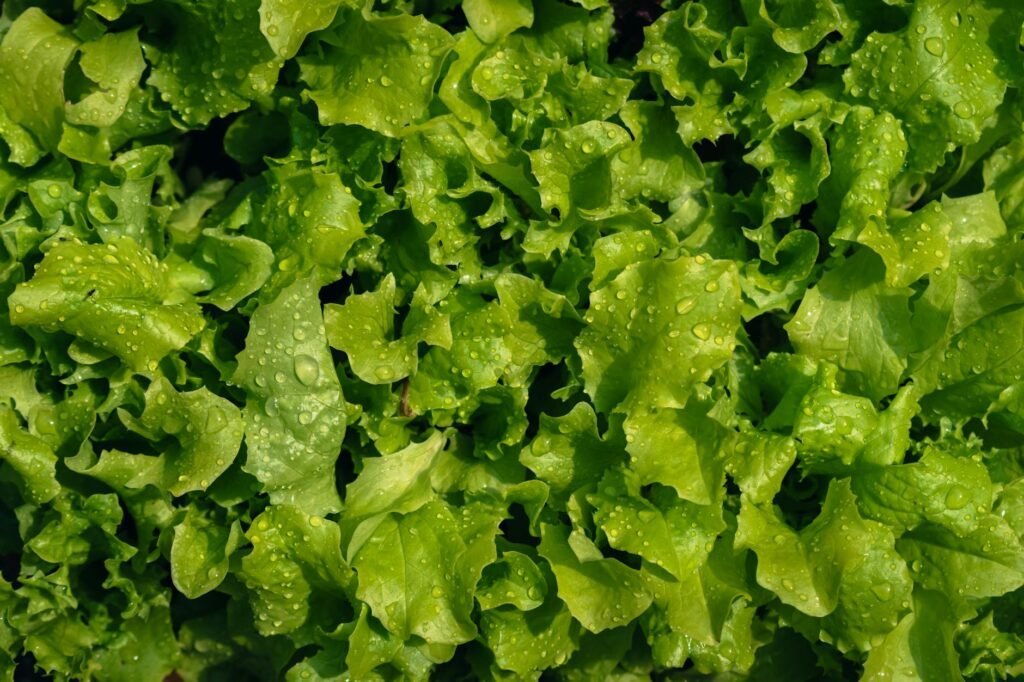
Growing Lettuce at Home: Fresh Salads All Season Long
Imagine stepping out your back door, heading to your garden, and plucking fresh, crisp lettuce to toss into your salad. Sounds dreamy, right? Growing lettuce at home isn’t just a fun hobby; it’s a ticket to fresher, tastier greens that can elevate your everyday meals. With just a little space, some sunlight, and the right techniques, you can enjoy an abundance of salads all season long. So, are you ready to dig in?
What many people don’t realize is that lettuce is one of the easiest vegetables to grow. With a range of varieties to choose from, you can enjoy different textures and flavors—from the tender leaves of butterhead to the crunchy romaine. Plus, lettuce thrives in cooler weather, making it a fantastic option for spring and fall gardens. So, if you’ve been contemplating your green thumb potential, growing lettuce at home might just be your gateway to vegetable gardening.
Choosing the Right Lettuce Varieties
When it comes to selecting lettuce varieties, the options are abundant. Each type brings its own unique flavor and texture, perfect for satisfying diverse palate preferences. Butterhead lettuce, with its soft, rounded leaves, offers a sweet taste that’s perfect for salads. On the other hand, crisphead varieties like Iceberg are recognized for their crunchy texture, making them ideal for those who love a good crunch in their dishes.
Consider this: Did you know that some lettuce types are better suited for warmer climates while others thrive in cooler temperatures? For instance, romaine is known for its ability to withstand heat better than other types. By understanding the characteristics of various lettuces, you’ll not only maximize your yield but also enjoy a colorful and diverse salad bowl throughout the seasons. What types of lettuce do you find yourself gravitating toward?
Preparing the Soil: The Foundation of Successful Growth
Before you even think about planting seeds, it’s crucial to prepare a healthy growing environment. Lettuce prefers well-drained soil enriched with organic matter. Incorporating compost not only adds nutrients but also improves soil structure. A good rule of thumb is to mix in about one part compost to three parts soil. This creates a nutrient-rich environment where your lettuce can thrive.
Let me share a personal experience: when I first started growing lettuce, I overlooked the importance of soil quality. My plants struggled to grow, and I ended up with a sad little crop. After doing some research, I invested time in preparing my soil properly. The difference was night and day! Healthy, vibrant greens emerged, and my salads transformed into something extraordinary. If you want lush lettuce, don’t skip this essential step!
Planting and Caring for Your Lettuce
Once your soil is ready, it’s time for the fun part—planting! You can either start lettuce indoors in trays or sow seeds directly into the garden bed. If you’re looking for quicker results, consider using seed tapes, which simplify the planting process and allow for even spacing. Whichever method you choose, be sure to plant your seeds about 1/4 to 1/2 inch deep. After planting, water the area gently to avoid displacing the seeds.
Caring for your lettuce doesn’t end at planting. Regular watering is essential, particularly during dry spells. Lettuce has a shallow root system, which means it can dry out quickly. Aim for about an inch of water per week, either from rainfall or supplemental watering. What’s more, you may want to consider mulching around your plants. This not only helps retain moisture but also suppresses weeds, giving your lettuce the space it needs to flourish.
Harvesting: The Reward for Your Efforts
The excitement builds as your lettuce reaches maturity, but when is the right time to harvest? Most lettuce varieties are ready to pick in about 30 to 70 days after planting, depending on the type. Generally, you can begin trimming leaves once they are around 4 to 6 inches long; just remember to leave a few leaves behind to allow the plant to continue growing.
One hot summer, I harvested my romaine too late, only to discover it had turned bitter. Lesson learned! The best way to enjoy your harvest is to pick it young and tender. Additionally, lettuce can be harvested multiple times. By cutting just the outer leaves, the inner leaves will continue to grow, providing you with fresh greens for weeks. Wouldn’t that be a delightful way to keep your salads vibrant?
Dealing with Common Pests and Problems
As with any gardening endeavor, growing lettuce comes with its own set of challenges. Pests like aphids and slugs can wreak havoc on your crop. A simple solution is to use row covers to protect your plants from these intruders. Another approach involves regularly inspecting your plants and hand-picking any visible pests. Moreover, introducing beneficial insects like ladybugs can help keep pests in check.
In my own garden, I faced an unexpected aphid invasion. I was devastated, but I quickly learned that simply spraying a mixture of water and dish soap helped clear them away without harmful chemicals. The resilience of lettuce is truly impressive. With a little vigilance, you can ensure a healthy harvest, free from unwanted guests.
Enjoying the Fruits of Your Labor
After all the effort you put into growing your lettuce, it’s time to savor the rewards. Fresh salads are only the beginning! You can create delicious lettuce wraps, use it as a garnish, or even blend it into smoothies for added nutrition. The beauty of homegrown lettuce is that it enhances not just flavor but also the nutritional quality of your meals.
Have you ever tried a simple salad with olive oil, lemon juice, and a sprinkle of salt using your homegrown lettuce? The taste is a revelation! It’s incredible how much more vibrant and flavorful greens become when they are freshly harvested. With your homegrown lettuce, you can experiment with dressings and toppings, creating endless possibilities to impress friends and family.
Ultimately, growing your own lettuce not only provides delicious ingredients for your meals but also brings a sense of accomplishment and connection to nature. Whether you’re a seasoned gardener or just starting, there’s something deeply satisfying about sowing seeds and watching them thrive.
So, are you ready to take the plunge? Grab some seeds, prepare your soil, and start your journey to fresh salads all season long. Remember, every expert gardener started as a beginner, and with a little patience, you’ll be savoring the fruits of your labor in no time. What will you grow in your garden this year?